
Sep
09
2019
Lease recharges feel unfair -- sometimes they are. Here's how to tell a genuine damage claim from an inflated bill before you hand the car back.
What’s a recharge?
If you read the small print on your lease car terms and conditions, you will see that you have to return it in an ‘acceptable condition’. So, what’s in acceptable condition? You might be thinking, surely that little dent on the door is acceptable wear and tear? And if they were to charge me, I would call them up and have an argument.
The team at New Again offer pre-return inspections and have been helping return people's lease cars for over thirty years. In our experience, we do not see lease companies charging lots of money for every little thing just to get some extra profit out of the whole deal.
In order for us to advise people on what they should and shouldn’t do when returning your lease car with damage, we go to a lot of trouble to find out exactly what happens after they have returned their cars and what charges they may have incurred and the costs involved.
Are the lease companies out to get me?
Nope!
However, some people do fall foul of the system because that’s the nature of systems, especially when they are designed to simplify such a complicated process. The good news is that help is available to help guide you through the process of returning your car, and your lease company is first on the list of those willing to help. Don’t be afraid to give them a call.
However, some people do fall foul of the system because that’s the nature of systems, especially when they are designed to simplify such a complicated process. The good news is that help is available to help guide you through the process of returning your car, and your lease company is first on the list of those willing to help. Don’t be afraid to give them a call.
I can honestly say with a great deal of certainty that Lease Companies are not out there to get you or make extra charges for things that just weren’t there.
That’s not to say we haven’t seen disputes and lessees unhappy with the recharges, it’s very difficult to comment on every individual situation, but I have helped return somewhere between 1500 and 2500 cars over the years. I am also a BVRLA trained inspector, in other words I’ve got the certificate as well, so I do know the standard for acceptable fair wear and tear inside out. If I had to be honest, I think most people don’t really know their cars, they think they are aware of all the damage and wear because they use their car every day, but are they really looking? I say to people, if you're regularly out there cleaning your own car every weekend, then you may have a good chance of knowing your car.
Don't be surprised - be prepared.
What is a 'threshold'?
The lease company has administration costs for recharges, and so if you just have a few minor pieces of damage which fall under a couple of hundred pounds, many lease companies will often wave that through. However, if you go over the threshold, they will charge you for the full amount.
So, when we have inspected a car, and we're advising what repairs should be made, we don't tell customers to make the car perfect, we are aiming to get them under that threshold.
Keep in mind, the cost alone of a missing locking wheel nut or spare key could be far more than the threshold. Crossing the t's and dotting the i's will save you money.
We book people in for a pre-inspections, and we actually do the inspection with them, so that’s how we know they don’t know their cars, we meet them every day ready for an inspection with a car all clean. (Only about one in 1000 actually clean the car themselves) so, one of the questions on our questionnaire/inspection system is to show me the damage that you already know about. Usually, they walk straight to the obvious things like a scuff on the bumper, and sometimes they find something like a scratch on an alloy wheel, or maybe a dent or something like a hole in the carpet below the pedals and that’s it. By the time we finished the pre-inspection there are typically anywhere between six and seven small bits and pieces, Sometimes up to twenty areas of damage they never knew were there. Some of these dents and scratches are easily remedied with a smart repair/bumper scuff repair or a PDR/painless dent removal. Some of these things can be quite serious, like a misaligned bumper or a hole below the pedals where somebody’s heel has gone through the carpet, or a small crack in a moon roof.
And if they are caught unaware by the amount of damage on their car, they can also be surprised by how much it can cost to fix. But it’s not all bad news, you can sometimes be pleasantly surprised. For example, the recharges for scuffed wheels are often the same or less than the cost of repair.
The lease companies tend to charge to cover the cost of replacement or ‘repair and repaint’. These charges can turn out a little more expensive than the cost of smart repair. As an example, the cost to repair a hole in a carpet could be under £50. The recharge which would be to cover the cost of a replacement carpet is likely to be in the region of £400.
This begs the question, why doesn’t the lease company charge you for the cost of the smart repair? Often they do, in the case of dent repairs for example, but not all dents are the same and not all holes in carpets are the same, and they are working off a list.
By having a pre-lease inspection and addressing the problems before the car goes back, you get to take control of how repairs are done or even if they are done at all.
Don’t be afraid of your lease company, all they want is to get the car back in a condition that they can get a good price for when they resell it… and then they want you to be happy enough that you’d lease another car from them. So give them a call, ask them for a list of recharges, ask them what their threshold is, they will be happy to help.
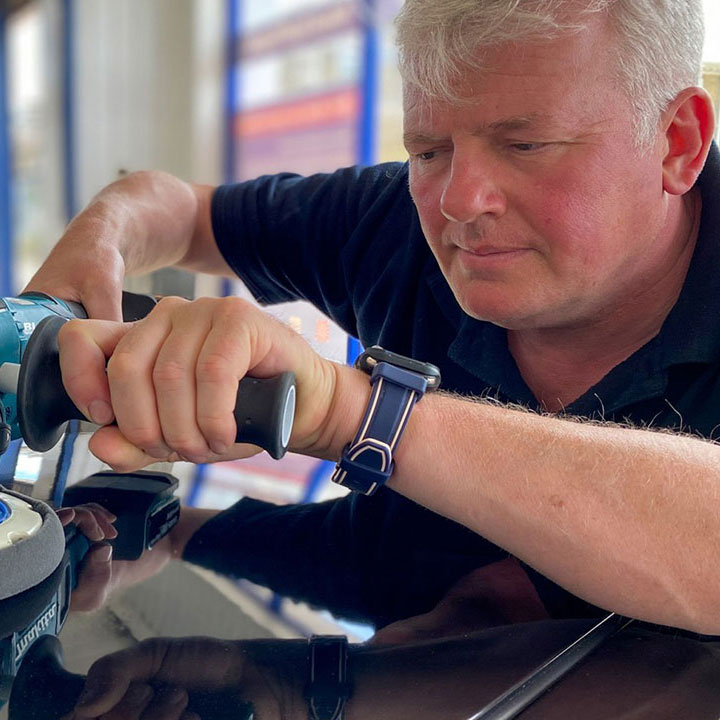
Gary Wray -- operations manager at New Again.
Over 30 years in the industry, BVRLA trained inspector, 1,500+ lease return inspections.
Related Blogs
Here are some more of our latest #end-of-lease blogs
Leather Car Seat and Carpet Repairs
Dec
08
2020
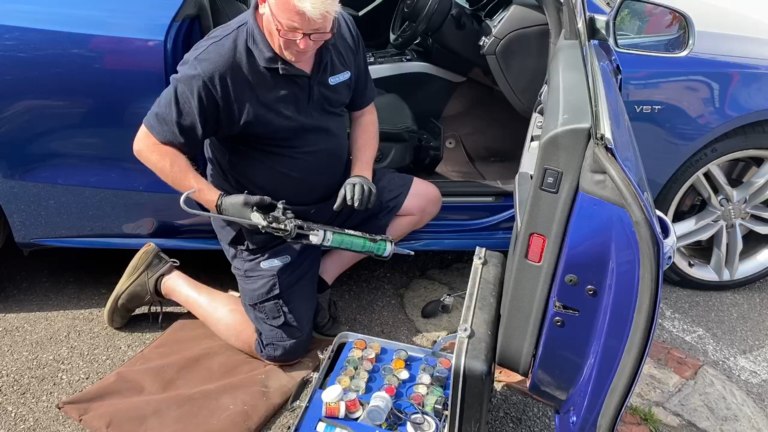
This was a car that had a scuff on the leather seat bolster and a hole in the carpet, worn through by a heel. These are both things we can repair.
Read ArticleHow to avoid unexpected costs when returning your lease car
Aug
27
2019
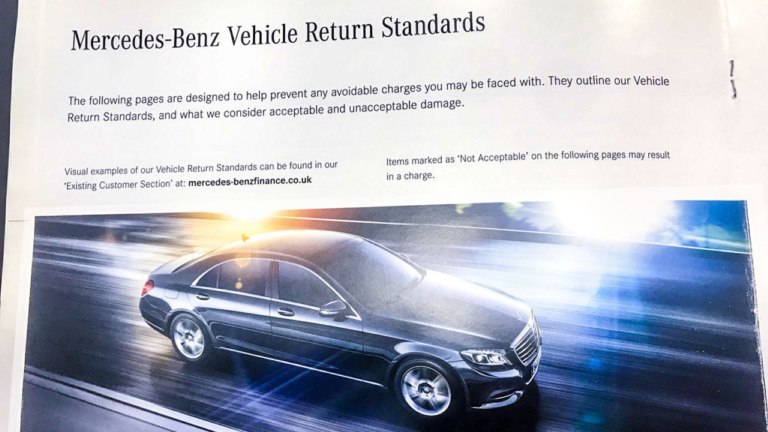
Lease recharge bills can run to thousands. Workshop advice on the wear and tear items that catch drivers out -- and what to fix before handback.
Read ArticleWhy do so many people lease cars?
Jul
01
2019
Leasing has become the default way to drive a new car. Here's why so many people choose it -- and what to plan for at handback.
Read Article
Share this blog