
Do ceramic coating work on classic cars?
Quick answer: Yes - ceramic coatings are ideal for classic cars because they seal restored or original paintwork, help stop it oxidising and give longer-lasting protection than wax, which makes sense if you plan to keep the car for many years.
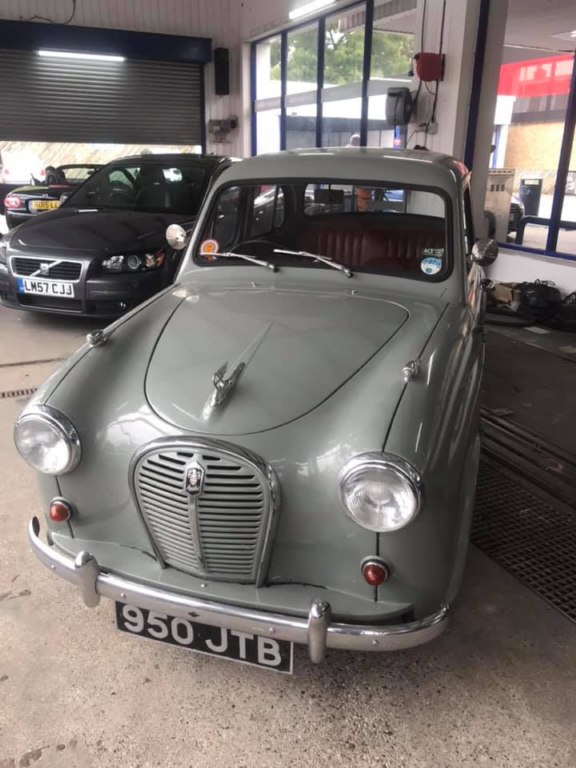
Ceramic coatings are ideal for classic cars. We can assume that a classic car will be kept for many years to come, so it makes a lot of sense to seal the paintwork with a ceramic coating because no other coating offers more protection or lasts longer.
Most of the classic and vintage cars that come to us have been restored and so have been repainted, and so we would give the same advice as we would to somebody with a new car.
However, we also understand that some vintage cars have original paintwork, and in some cases, a car is more valuable with damaged original paintwork than if restored. The paintwork on old cars can be very thick, meaning it can be repolished again and again. However, you can only do this so many times before it starts getting thin. We can accommodate older cars with original paintwork, ceramic coatings work just the same on solid base paintwork and will prevent oxidization.
What this question is really about
When you ask whether ceramic coatings work on classic cars, you are rarely asking about chemistry. You are really asking if a modern coating can protect an older car without spoiling its character, risking thin paint, or making life difficult for future repairs.
The short answer is that ceramics can work very well on classics and modern classics - but only when the paint has been assessed properly and the preparation is sympathetic to the age and history of the car.
Different kinds of “classic” paintwork
Not all classics wear the same kind of paint, and that makes a big difference to how you approach coating them.
- Original single-stage paint - older cars often have colour and gloss in one layer, with no clear coat. These finishes can be worn thin and more absorbent.
- Older clear coat systems - later classics and modern classics may have fairly conventional basecoat and lacquer, but often with years of polishing behind them.
- Repaints and restorations - many classics have had panels resprayed, blended or fully restored with modern 2K paint.
- Mixed panels - it is common to have a mixture of original paint, older bodyshop work and more recent repairs on the same car.
A good detailer will start with inspection, panel by panel, before deciding how far to correct the finish and which coating to use.
Do ceramic coatings actually help on classic cars
On a classic that is used and washed, a coating can be just as useful as it is on a new car - sometimes more so.
- UV protection - older paints and restored finishes can be more vulnerable to fading; a coating adds extra margin against sunlight.
- Chemical resistance - bird mess, tree sap and fuel or oil splashes are all part of classic car life; coatings help reduce staining.
- Ease of cleaning - dust, traffic film and bug remains release more easily, which matters on cars with delicate, hard-to-replace trim.
- Preserving sympathetic correction - once you have carefully polished an older finish, a coating helps you avoid having to cut it again and again.
For a classic that is driven, not just stored, a coating can slow down dulling and reduce how often deeper polishing is needed.
Where coatings have to be used more carefully on classics
The same factors that make classics special also mean you cannot treat them like brand new hatchbacks.
- Thin paint - years of hand and machine polishing often mean there is less paint or lacquer left to work with.
- Checking, crazing and micro-blisters - older finishes can have age-related issues that polishing and coating will not cure.
- Body filler and old repairs - edges and blend lines can be fragile; aggressive correction to chase perfection is rarely sensible.
- Originality and patina - some owners value a gentle, period-correct look more than absolutely flat, modern gloss.
On these cars, the right approach is cautious correction, realistic expectations and a coating that protects what is there, not an attempt to grind everything back to factory fresh at any cost.
Original paint versus restored classics
In many ways, freshly restored classics are the easiest candidates for ceramic; truly original survivors need more thought.
- Restored cars with modern paint - once the paint has fully cured and been checked, a ceramic coating can be applied much like on a new car, with plenty of clear coat to refine first.
- Original, well-preserved paint - here the priority is to preserve as much material as possible, so correction is gentler and the coating is there to avoid further heavy polishing.
- Patchwork cars - common on working classics. Some panels will tolerate more polishing than others; the preparation and coating may be adjusted panel by panel.
In other words, ceramics can work on both types, but the plan for a barn-find survivor is not the same as for a fresh, bare-shell restoration.
Will ceramic change the look or character of a classic
Most modern coatings are optically clear and do not add a strong tint, but they do lock in whatever level of refinement you finish with.
- On highly polished classics the effect is deep, crisp gloss that stays consistent, rather than drifting back to flat over a few months.
- On cars where some texture and patina have been left on purpose, the coating will preserve that look, not turn it into a plastic shine.
- On single-stage paints, a coating can subtly deepen the colour once the paint has been cleaned and refined.
Limits - what ceramic coatings cannot fix on classic cars
There are some classic paint problems that no coating will solve.
- Crazed or heavily cracked lacquer - this usually needs repainting; a coating will only sit on top of the problem.
- Rust and bubbling - if corrosion is coming through from underneath, only body repairs will fix it.
- Very thin or localised blow-ins - edges that are already fragile should not be pushed with heavy polishing for the sake of a coating.
- Colour match issues - a coating will not make mismatched panels blend; if anything, a cleaner, clearer finish can make differences more obvious.
Used honestly, coatings protect sound paint and sympathetic restoration work; they do not replace a paint shop on cars that really need bodywork.
Classics that benefit most from ceramic coatings
Certain kinds of classic and modern classic make particularly good candidates for ceramic protection.
- Usable classics and daily-driven modern classics - coatings help manage real-world mileage, weather and regular washing.
- Fresh restorations - once fully cured, these benefit from protecting a large investment in paint and bodywork from day one.
- Light colours and metallics - coatings help these cars resist staining, fallout and general dulling.
- Cars with complex trim and brightwork - matched systems can also protect chrome, plastics and wheels, reducing cleaning time.
For a collection piece that lives in a dehumidified garage and is dusted more than it is driven, the benefits are less dramatic but still there in terms of slower ageing.
Preparation and process on a classic car
The success of a coating on any classic lives or dies on the inspection and preparation that comes first.
- Inspection - to spot thin areas, repaints and edges that need extra care.
- Gentle decontamination - removing fallout, old waxes and polishes without abusing brittle trims and seals.
- Sympathetic machine polishing - refining the finish with the mildest effective combinations of pad, polish and technique.
- Honest discussion - agreeing which defects will stay because removing them would mean compromising original paint or character.
Only once that picture is clear does it really make sense to talk about which coating to use - preparation is everything.
People also asked
Written by Danny Argent. Last updated 08/12/2025 16:56
Further Reading
-
🍀 What are the drawbacks of a ceramic coating?
We asked Artificial Intelligence to tell us the downsides of a ceramic coating, then reviewed the result. -
🍀 Car Paint Protection De-Fuddled
Do you know the difference between a sealant and a glaze? A polymer coating and a ceramic coating. In this article, we attempt to dispel the confusion and about different types of car paint protection.
Services
-
Modern Car Restoration
The cheapest way to get a new car, is to make your old car like new! Do you remember when your car looked band new? -
🔥🔥🔷 Ceramic Coating Chelmsford Essex
Our professional ceramic coating service in Chelmsford, Essex, gives long-term paint protection, ultra-gloss finish and easier maintenance for daily drivers and cherished cars.