Machine Polishing

Quick answer: Machine polishing is using a powered polishing machine with abrasive polishes to level and refine your car's paint so it looks glossier and hides light scratches and swirls.
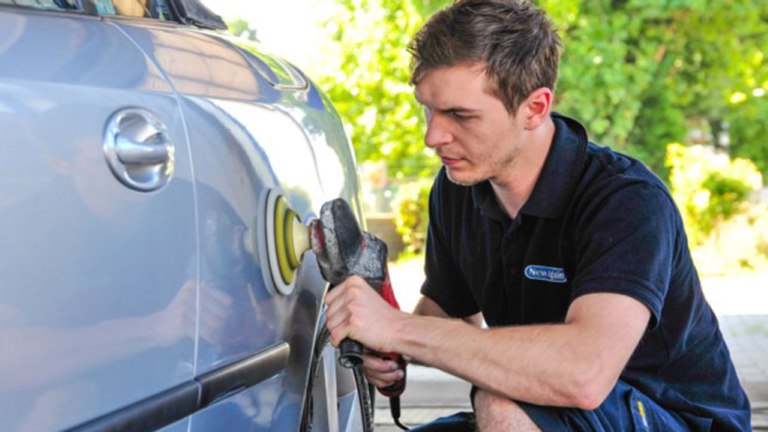
Machine polishing is the act of polishing using a machine, typically an orbital or random orbital polisher. This is done to polish the car's paintwork to a high shine, or as part of the process of paintwork correction.
Machine polishing removes dead paint which has become oxidized from environmental exposure, as well as fine scratches caused by washing.
Machine polishing is also a required in the preparation of a car before speciality coatings are applied.
What it means
Machine polishing is the process of using an electric polishing machine and specialist compounds to gently remove a very thin layer of clearcoat or lacquer. By levelling the surface, it softens or removes swirl marks, haze and light scratches, restoring gloss and clarity to tired paintwork in a way that simple washing and waxing cannot.
Why it matters
- Restores gloss: Brings dull, flat paint back to a deep, reflective shine that looks newer and cleaner.
- Removes defects properly: Done correctly, the process actually levels and removes many defects instead of just filling them, so the results last longer.
- Prepares for protection: Creates a clean, smooth surface that allows waxes, sealants and ceramic coatings to bond better and last longer.
- Helps resale and hand back: A car with sharp, glossy paint is easier to sell or return at the end of a lease than one covered in swirls and wash marks.
Where you'll see it
You will see "machine polishing" on detailing price lists, paint correction packages, lease return tidy up services and bodyshop valeting menus. It sits between a basic hand polish and more aggressive processes such as sanding or heavy compounding.
Context
Used by detailers, bodyshops and smart repairers when talking about swirl removal, one stage and multi stage paint correction, and preparation for ceramic coatings, sealants or high quality waxes.
Types at a glance
- Dual action (DA) machine polishing: Safer, more forgiving machines that oscillate and rotate, ideal for most modern clearcoats and light to moderate defects.
- Rotary machine polishing: More powerful single rotation machines used by experienced technicians for heavier defects or very hard paints.
- One stage vs multi stage correction: Describes how many cutting and refining steps are used so you can balance time, cost and the level of perfection you want.
How it's done (at a glance)
- Inspection and prep: The car is washed, decontaminated and dried, then the paint is inspected under proper lighting and checked with a paint thickness gauge.
- Test section and main polishing: A pad and polish combination is tested on a small area, then used panel by panel to cut away defects and refine the finish.
- Finishing and protection: Residues are wiped away, the finish is checked, then wax, sealant or ceramic coating is applied to lock in the gloss.
Customer checklist
- Tell us about any previous resprays or smart repairs so we can treat those areas carefully.
- Remove personal items and loose accessories, especially anything stuck to the glass or paint.
- Decide how perfect you want the car to be, from a strong tidy up for daily use to near show car levels, so we can suggest the right level of machine polishing.
Common mistakes
- Assuming machine polishing is the same as a quick buff or a basic hand polish at the car wash.
- Using the wrong pads or compounds and leaving holograms, buffer trails or new swirl marks in the paint.
- Polishing too aggressively or too often and thinning the clearcoat more than is safe.
- Skipping proper washing and decontamination so dirt and bonded contaminants get dragged across the paint and cause extra damage.