
Retractable Hard-Top
Quick answer: A retractable hard top is a folding metal or composite roof that stows away automatically – usually into the boot – so a car can switch between a closed hardtop and an open convertible at the press of a button.
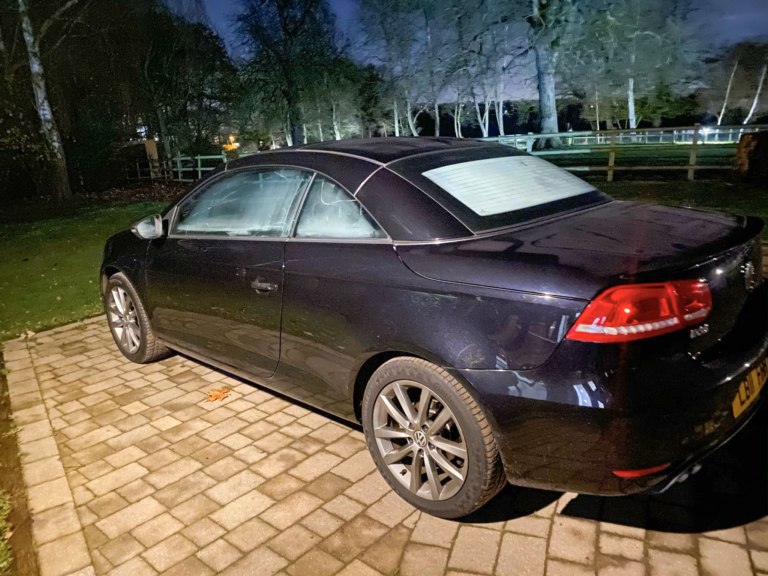
A retractable hard top is similar to a retractable soft top in that it has a frame and mechanism with allows the roof to fold away into the boot. However, the roof panels are usually metal or plastic.
Although retractable hard tops don't have fabric which can become dirty and stained, these cars still do require extra attention. The mechanism will need servicing and lubrication. The car will also have additional drainage and seals not found on a normal hard top model. If these are not cleaned and free from debris, it can cause problems with leaks.
What it means
A retractable hard top is a roof system that lets a car behave as both a hardtop coupé and a convertible. The roof is made from solid panels and glass rather than fabric, and is split into sections that fold and stack into the boot or rear body at the press of a button. When raised, it looks and feels like a fixed roof. When lowered, the roof disappears and the car becomes an open-top, usually with only the windscreen frame and some rear structure remaining above waist height.
Why it matters
- Offers two cars in one: Drivers get the security, refinement and winter usability of a hardtop with the option of full open-air motoring.
- Complex mechanisms and seals: Retractable hard tops rely on motors or hydraulics, hinges, sensors and several sets of rubber seals, all of which need to work properly to avoid faults, leaks and rattles.
- Boot space trade-off: When the roof is folded away it usually occupies a large part of the boot, which can limit luggage space and what you can carry on a trip.
- Important for leak and noise diagnosis: Many water leaks and wind noises on these cars trace back to roof joints, misaligned catches or tired seals rather than the body shell itself.
Where you’ll see it
You will see the term retractable hard top or folding hardtop in sales listings, brochures and inspection reports, often under coupé-cabriolet or similar marketing names. Reports may note roof mechanism inoperative, leaks at hardtop joints or wind noise from folding roof. Detailing and leak-diagnosis menus may mention cleaning and conditioning seals around retractable roof or testing roof drains and gutters.
Context
Retractable hard tops sit alongside fabric soft tops, vinyl roofs, removable roof panels and removable hard tops in the family of open-roof systems. They add weight and complexity compared with a simple fabric roof, but improve security, insulation and perceived quality when closed. From a specialist’s point of view, they bring together bodywork, electrics, hydraulics and water management: the roof panels must be correctly aligned, seals kept clean and supple, and drains and gutters clear. Poor battery voltage, lack of use or previous accident repairs can all affect how well a retractable hard top operates and seals.
Common mistakes
- Operating the roof with a weak battery, leading to slow movement, incomplete latching or fault codes that stop the mechanism mid-cycle.
- Neglecting seals and drains around the roof, allowing dirt build-up that leads to squeaks, wind noise and leaks.
- Forcing the mechanism if it hesitates, rather than stopping and investigating obstructions, low voltage or sensor issues.
- Pressure washing directly into roof joints and seal gaps at close range, which can defeat even good seals and be mistaken for a genuine leak fault.
Written by Danny Argent. Last updated 01/12/2025 15:57