
Mohair Roof
Quick answer: A mohair roof is a premium type of fabric soft top on a convertible, made from a tight-woven canvas-style material that gives a rich, tailored look and needs proper cleaning and proofing to stay waterproof and smart.
Mohair is a fabric made from the wool of Angora goats, which is very soft and rather expensive. The fibres are soft because they are so smooth, which can make the yarn rather weak as they don't grab, meaning it is commonly found as a blend with other materials.
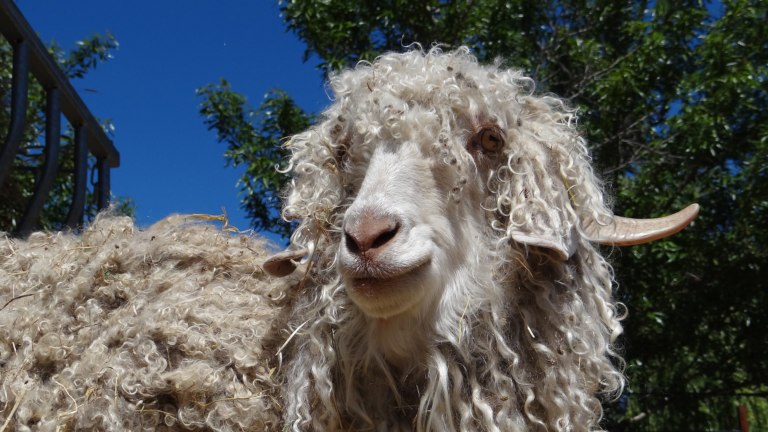
It was common in the past to refer to soft-top cars as having a mohair roof, however, it's unlikely many cars actually had a roof made of real mohair. We asked an angora goat for comment, but they declined to be interviewed.
There are still companies today who sell replacement roofs for vintage cars which are advertised as being finest or genuine mohair, however "mohair" had become a generic name for fabric roofs, most of which are made of synthetic materials.
What it means
A mohair roof is a particular type of fabric soft top fitted to many modern and prestige convertibles. Despite the name, it is not made from animal hair in the everyday sense, but from a high-grade, tightly woven canvas-style material with a smooth, almost cloth-like finish. It is stretched over the convertible hood frame, stitched and bonded at seams and usually paired with a glass rear window. Compared with cheaper vinyl, a mohair roof looks richer, feels more like proper fabric to the touch and often gives better sound and thermal insulation.
Why it matters
- Premium appearance: Mohair roofs have a deep, even colour and a more upmarket look than shiny vinyl, which makes a big difference to how a convertible presents.
- Needs the right care: Being a woven fabric, mohair holds dirt and moisture more easily, so it needs specialist cleaners and proofers rather than harsh TFRs or ordinary shampoo.
- Can fade and go green: UV, pollution and damp conditions will gradually fade the colour and encourage green algae and mould if the roof is not cleaned and protected regularly.
- Closely linked to leaks and noise: Worn fabric, tired stitching and dirty seals around a mohair roof are common causes of water leaks, wind noise and misty interiors on older convertibles.
Where you’ll see it
You will see the term mohair roof in sales adverts, trim options lists, inspection reports and detailing menus. Phrases such as mohair roof needs clean and reproof, mohair hood faded or new mohair roof fitted are common. Specialists often distinguish mohair roofs from vinyl roofs and from folding metal roofs because the products and methods used to clean, proof and repair them are different.
Context
Mohair roofs are one of the main types of fabric roof used on cabriolets and roadsters. The material typically has several layers: an outer woven face, backing layers and sometimes an inner lining, all stitched and bonded together. Over time the pile can flatten, the colour can wash out and the original waterproofing can weaken. Proper care usually involves vacuuming, gentle but thorough cleaning with a dedicated fabric roof cleaner to remove algae and traffic film, then applying a roof proofer that restores water repellency and helps resist future soiling. Because mohair roofs sit at the boundary between exterior detailing and water-leak diagnosis, attention to seams, gutters and drains around the hood is just as important as the fabric itself.
Common mistakes
- Cleaning a mohair roof with strong TFR, household detergents or stiff brushes, which can damage fibres, stitching and the original waterproofing.
- Leaving green algae, bird stains or tree sap on a mohair roof for months, allowing them to stain and hold moisture against the fabric.
- Trying to dress a mohair roof with silicone tyre shine or vinyl dressings, leaving it patchy, shiny and more likely to attract dirt.
- Focusing only on the visible fabric and ignoring blocked gutters and tired seals around the mohair roof, which are often the real cause of leaks and damp interiors.
Written by Danny Argent. Last updated 01/12/2025 16:01