
Does the sun damage a ceramic coating?
Quick answer: Strong sunlight and UV will slowly weather any ceramic coating over the years, but a good quality coating is designed to resist sun damage and will still protect the paint beneath better than wax – the bigger risk in hot sun is baked-on water spots and contamination if the car is left wet or dirty.
Technically, yes. Given enough time, the sun is a factor in the deterioration in all man-made materials, but in a practical sense, no it doesn't.
The base coat of cars has historically been prone to fading, but modern paints are very UV stable in terms of colour, and they are protected by the clear coat which filters out UV. So this isn't really much of a concern over the lifetime of a modern car.
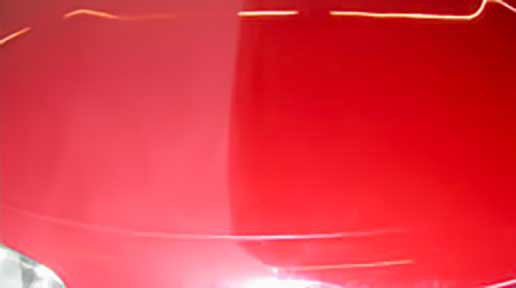
UV radiation can also combine with oxygen and Ozone to cause oxidation, which causes paintwork, and more specifically the clear coat, to become dull and hazy. On modern cars this is far lesser than it used to be, but it still happens, although a little polishing can easily remedy this.
Ceramic is far more resistant to oxidation than a normal paint coating, so the sun is not a concern.
Where the sun is a factor is where it heats up water deposits on your car which can cause hard watermarks, or if it heats up bird mess which is corrosive. We recommend removing bird mess as quickly as you can, and a spot remover can be used to dissolve mineral deposits.
What this question is really about
When people ask whether the sun damages a ceramic coating, they are usually concerned about two things: UV exposure breaking the coating down, and heat causing it to fail or wear out prematurely - particularly if the car lives outside.
Does sunlight damage a ceramic coating?
No. Ceramic coatings are designed to be UV stable. Normal sunlight does not damage or degrade a properly applied ceramic coating.
In fact, one of the roles of a ceramic coating is to help shield the underlying clear coat from UV exposure, which is a known contributor to paint fade and clear coat failure over time.
What heat actually does
Heat on its own does not harm a ceramic coating once it has fully cured. Modern coatings are engineered to cope with the temperatures reached on body panels in normal road use, including summer heat.
- Hot panels do not cause a coating to “burn off”
- Parking in the sun does not shorten coating life
- Heat does not reverse the bonding of the coating
Where sun exposure can still affect the car
While the coating itself is stable, sunlight still affects other materials on the vehicle.
- Unprotected plastics and rubber trims can fade over time
- Interior materials can degrade without UV protection
- Clear coat beneath the coating still benefits from reduced UV load
Why this concern often comes up
- Confusion between waxes and sealants, which do degrade quickly in heat
- Assumptions that coatings behave like temporary products
- Visible contamination masking coating performance, not sun damage
What can affect perceived performance over time
If a coating seems less effective after months in the sun, the cause is usually contamination rather than UV damage.
- Mineral deposits from rain and washing
- Traffic film build-up
- Bonded grit around trims and badges
Best-practice takeaway
- Sunlight does not damage a ceramic coating
- Outdoor parking does not invalidate or shorten coating life
- Reduced performance is usually contamination-related, not UV-related
- Periodic deep cleaning restores behaviour if needed
Written by Danny Argent. Last updated 12/01/2026 15:42
Further Reading
-
🍀 Effortless Car Care: The Benefits of Ceramic
There are many benefits to a ceramic coating, the astonishing shine which really makes your car stand out, we have found that the thing that keeps our customers coming back for more is the ease of maintenance. -
🍀 What are the drawbacks of a ceramic coating?
We asked Artificial Intelligence to tell us the downsides of a ceramic coating, then reviewed the result.
Services
-
🔥🔥🔷 Ceramic Coating Paint Protection Service
Protect your investment with durable ceramic coating that bonds to your clearcoat, resisting traffic film, bird lime and tree sap while enhancing colour depth and mirror gloss. -
🔷 Matrix Black Ceramic Coating
8 Year Ceramic Coating: Matrix Black By Autosmart was designed to beat the competition on longevity, gloss and hydrophobicity.