
Spoor - Trace
Quick answer: Spoor, or trace, is the visible trail that leaking water leaves inside a car - tide marks, dirt lines, staining, rust or dyed water - which a technician can follow to track the route of a leak from where it gets in to where it ends up.
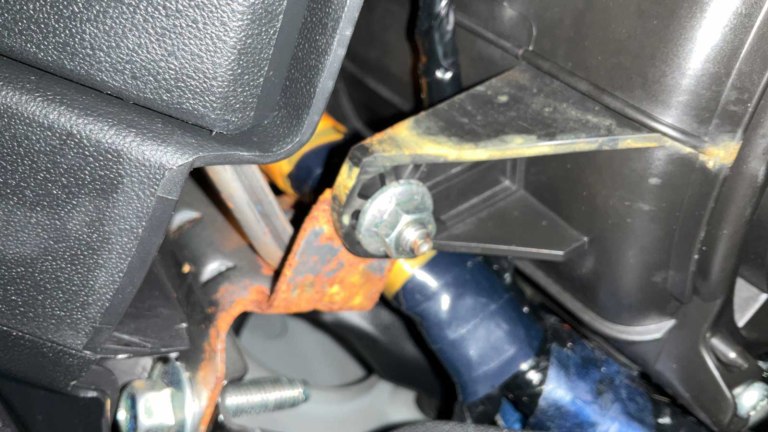
'Spoor' is a hunting term that relates to the tracks left by an animal which would allow a hunter to track them.
We use the same word when hunting for leaks.
As rain water entering a vehicle is dirty and carries with it dust and debris, it will leave 'trace' even if the water is dried. There will often be a clear trail with dust either side showing where water has dripped down a panel.
The course of the water will also leave dirt and grit in low areas, and may even cause trails of corrosion on untreated metal.
Following spoor, is a very useful skill in water leak detection as it can allow a technician to more quickly locate a point of ingress.
We can also create spoor by adding fluorescent dye to water, which is then poured over the exterior of the car. This can then create a trace of water which can easily be seen under ultraviolet light, if not with the naked eye.
What it means
Spoor is a term borrowed from hunting, where it means the tracks and signs left by an animal. In leak work we use it in much the same way. As water moves through a car it carries dust, grit, dye and corrosion products with it. Even after the water has dried, it often leaves a clear trace - a clean track with dust on either side, tide marks on painted panels, dirt collected in low spots or rusty streaks on bare metal. All of this is spoor that points to where the water has come from and where it has gone.
Why it matters
- Shows the route of the leak: Spoor can reveal the path water is taking behind trims and carpets, so the technician can work back towards the real entry point instead of guessing from where the carpet happens to be wet.
- Distinguishes old from new problems: Fresh, sharp trace looks different from old, dusty staining. This helps separate historic leaks that have already been fixed from current, active leak paths.
- Highlights hidden damage: Rust trails, dirt build-ups and stained insulation can show where water has been sitting in seams, box sections and cross members even if the visible surfaces now look dry.
- Works with dyes and UV: By adding fluorescent dye to test water, technicians can create artificial spoor that glows under ultraviolet light, making fine leak traces much easier to see and follow.
Where you will see it
You will see spoor or trace mentioned in leak reports, moisture and dye test notes and water damage assessments. Typical comments include clear spoor down inner quarter panel from rear vent, rust trace along sill seam, follow trace from sunroof cassette into A-pillar or fluorescent dye trace visible from scuttle to passenger footwell. It may also appear in inspection notes when odours or corrosion are present but active dripping is not seen.
Context
Spoor is one of the main clues used alongside moisture meters, fluorescent dye, smoke testing, bubble testing and endoscope cameras. A thorough technician will often start by looking for trace - dirt lines, tide marks and rust staining - then use targeted tests to confirm how water is currently behaving. Spoor can show historic routes even when a car has been partially cleaned or dried, and it often reveals that water has travelled further than expected, for example along cross members, behind wiring looms or under soundproofing. Reading spoor correctly is a learned skill that speeds up diagnosis and helps define how extensive drying, decontamination and repair need to be.
Common mistakes
- Cleaning or painting over obvious spoor before diagnosis, destroying useful evidence of how and where water has been travelling.
- Assuming that any trace means there is still an active leak, without considering that some spoor may be historic from leaks already repaired.
- Relying only on visible trace and not using moisture meters or test methods to check for damp and leak paths in areas that show little or no spoor.
- Following the trace only to where the water ends up, such as a wet footwell, instead of working back along the spoor to find the original point of ingress.
Written by Danny Argent. Last updated 08/12/2025 17:22