
Drainage Pipes
Quick answer: Drainage pipes are the small plastic or rubber tubes that carry water away from sunroofs, scuttle panels and roof gutters to safe exit points under the car. If they block, split or come adrift, water spills inside the vehicle instead of draining harmlessly outside.
Drainage pipes are plastic pipes which are usually found as part of a sunroof system, although they can also be found on some convertible hood drainage systems.
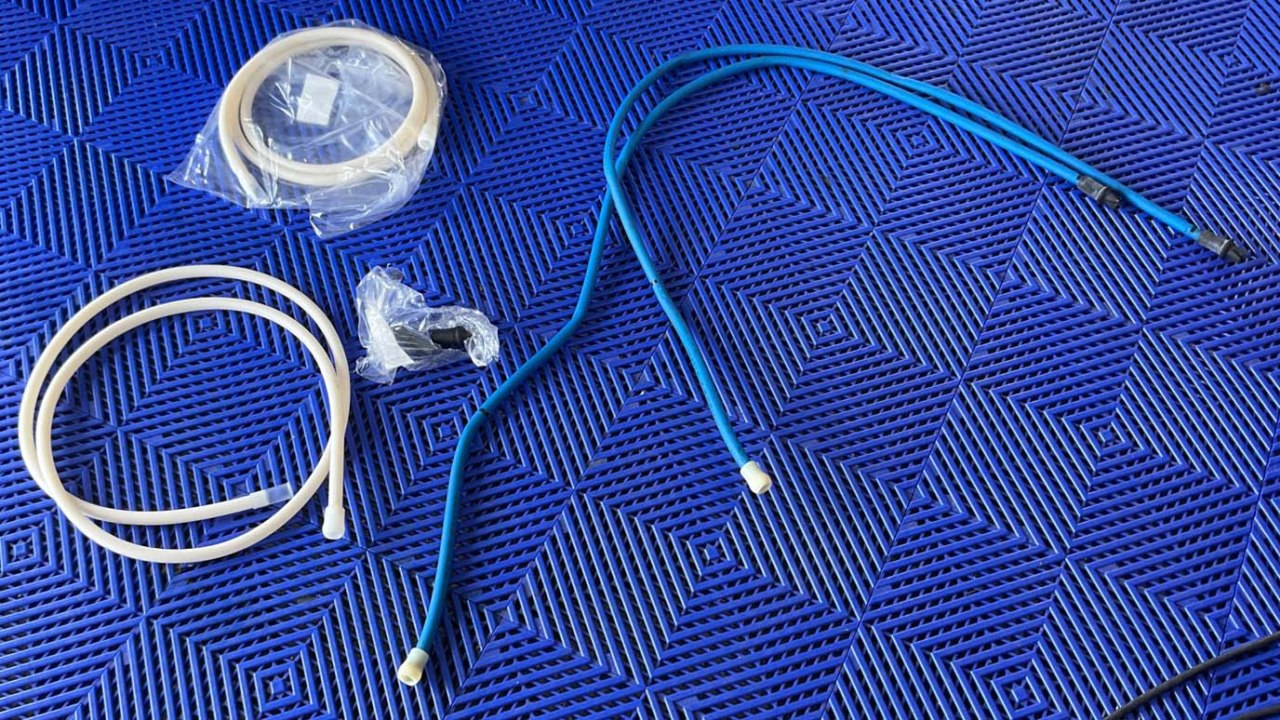
These drainage pipes are not very thick and so prone to blockage from leaf litter which may find its way into the sunroof cassette.
Like many plastic parts, they are prone to shrink and harden over time. As they usually don't follow a straight line, the shrinkage may cause them to pull on places where they bend, causing them to be squeezed or pinched. Eventually, they may shrink so much that they pull off their connectors and become disconnected. The nylon connectors may also become brittle and shatter over time. These are not high-stress parts, so the hoses just press fit onto connectors and aren't particularly tight, so if they get a crack, they can easily fall off. One of the biggest problems we see with these pipes is that we find somebody has tried to repair them by glueing them back on. This just leads to a pipe which is stretched and constricted, and harder to remove.
Replacement drainage pipes are usually not too expensive, and we often find that the replacements are an improved design or better quality than the originals.
Sunroofs usually have two of these pipes at the front, although larger sunroofs may have an additional two at the back of the cassette. Some convertible cars also have pipes to drain the rear scuttle.
What it means
Drainage pipes are the hidden tubes that move water through and out of the car. Manufacturers expect rain to land in certain areas – such as sunroof trays, scuttle panels at the base of the windscreen and roof gutters on some body styles. Instead of letting that water spill into the cabin, it is guided into drainage pipes that run down the A-pillars, C-pillars and other body cavities, then out through drains in the sills, wheel arches or underbody. When everything is working, you never notice them. When it is not, you get wet carpets, damp trims and odd water trails inside the car.
Why it matters
- Major cause of leaks when blocked: Leaves, moss, dirt and even polish residue can block drains at the top or bottom of the pipes, causing water to back up and overflow into the interior.
- Can dump water in the wrong place: If a pipe splits or pulls off its spigot, water that was meant to exit under the car can pour into pillars, sills, behind dashboards or into the boot.
- Leads to hidden water damage: Overflowing drainage pipes are responsible for many cases of soaked underlay, rusty seat mounts, corroded looms and long term musty smells.
- Part of designed water management: Cars are built with a planned path for water to take. Damaged or blocked pipes break that plan and make leak diagnosis harder if you do not know how they should work.
Where you will see it
You will see drainage pipes mentioned in leak reports, technical bulletins and inspection notes for damp cars. Typical comments include sunroof drainage pipes blocked, clear and test, drainage pipe disconnected in A-pillar, bulkhead drainage pipes restricted with debris or rear drainage pipes route water into boot when seals fail. They often appear in jobs involving sunroofs, panoramic roofs, cabriolet roof gutters and scuttle area leaks.
Context
Drainage pipes are one part of the car's overall water management system, alongside gutters, trays, grommets, membranes and vent housings. For example, a sunroof cassette usually has four corner drains leading into pipes that run down the pillars; a scuttle panel under the windscreen will have drains that feed pipes or direct water down the inner wings. During diagnosis a specialist will often pour controlled amounts of water into these areas while watching the exit points and the inside of the car. The cure might be as simple as clearing debris and checking flow, or as involved as removing trim to repair or replace a split or poorly routed pipe. Simply poking around from the top without understanding where the water should emerge can leave problems half fixed.
Common mistakes
- Clearing only the visible drain hole at the top and assuming the whole pipe is clear, when blockages further down are still forcing water into the car.
- Blowing high pressure air down fragile pipes and accidentally blowing them off their fittings or splitting them inside pillars.
- Routing replacement pipes differently from the original path, so water now empties into a sill or cavity that was never designed to handle it.
- Drying wet carpets and underlay without investigating the drainage pipes above, leading to repeat leaks with the next heavy rain.
Written by Danny Argent. Last updated 08/12/2025 16:15