
Paintwork Correction
Quick answer: Paintwork correction is a careful machine polishing process that permanently removes or greatly reduces swirls, scratches and other defects in your car’s clearcoat so the paint looks deep, glossy and like new again.
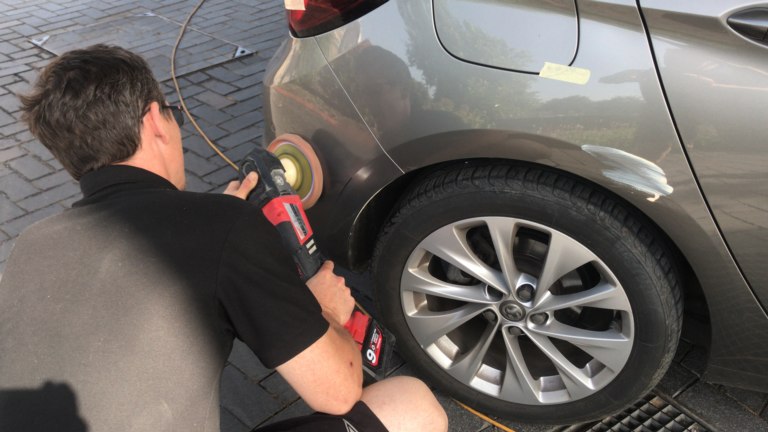
Paintwork correction is the process by which specific problems on a car's paintwork are corrected by means of wet sanding, dry sanding, machine polishing and hand polishing.
Paintwork correction can be used to remove scratches, light scuffs, runs, sags, high points, excessive orange peel, hazing, stains, bird mess etching, and wash marks.
What it means
Paintwork correction is the process of using machine polishing with the right pads, compounds and technique to safely level a very thin layer of clearcoat or lacquer. By taking down the high spots around defects, it permanently removes or significantly reduces wash marring, swirl marks, light to moderate scratches, oxidation and other surface defects so the paint reflects light cleanly again.
Why it matters
- Makes tired paint look new: Proper correction can transform dull, flat or hazy paintwork into a deep, glossy finish that looks far newer than the car’s age.
- Permanent improvement: Unlike fillers and glazes that wash away, true correction actually removes many defects, so the improvement lasts.
- Best base for protection: Ceramic coatings, sealants and quality waxes all bond better and look sharper on properly corrected paintwork.
- Helps value and inspection reports: A car that is clean, glossy and free of obvious swirls and scratches is easier to sell and more likely to pass lease hand back without quibbles about condition.
Where you’ll see it
You will see “paintwork correction” on detailing price lists, enhancement detail packages, pre-sale and pre-lease-return services and sometimes on bodyshop valeting menus. It usually sits above a basic machine polish or “gloss enhancement” and below full resprays and repainting.
Context
The term is used by detailers, specialist valeters, bodyshops and smart repairers when talking about improving the condition of existing paintwork without repainting. It is closely linked with swirl removal, multi stage machine polishing and preparation for ceramic coatings and other long term protection.
Types at a glance
- Single stage correction: One polishing step using a medium polish or pad that both cuts and finishes, ideal when you want a strong improvement without chasing every last defect.
- Two stage correction: A cutting stage to remove heavier defects followed by a refining stage to maximise gloss and clarity, a common choice for good daily drivers.
- Multi stage or full correction: Several cutting and refining steps, often panel by panel, to remove as many defects as safely possible for near show car results.
How it’s done (at a glance)
- Inspection and measurements: The car is washed, decontaminated and dried, then the paint is inspected under strong lighting and checked with a paint thickness gauge.
- Test section and correction plan: A small area is polished with different pad and polish combinations to see what works best and to decide how many stages are needed.
- Main correction and refinement: The agreed process is carried out across the car, usually in sections, with cutting stages followed by refining stages to improve the finish.
- Finishing and protection: Residues are wiped away, the finish is inspected again and then wax, sealant or ceramic coating is applied to lock in the results.
Customer checklist
- Tell us about any previous repairs, resprays or smart repairs so we can treat those areas with extra care.
- Be clear about your expectations - do you want a big overall improvement or to chase every last mark within safe limits.
- Remove personal items, magnetic signs and accessories stuck to the paint so we can reach all areas properly.
- Ask how to wash the car afterwards so you do not reintroduce swirl marks and undo the correction work.
Common mistakes
- Confusing paintwork correction with a quick “buff” or basic machine polish at the car wash.
- Expecting every deep scratch, stone chip or defect through the paint to be removed without repainting.
- Using aggressive compounds and pads without checking paint thickness, risking strike through on edges and high spots.
- Focusing only on before and after photos and ignoring long term safety, protection and wash technique.
- Choosing the cheapest option and ending up with holograms, buffer trails and thin paint that cannot be corrected again later.
Written by Danny Argent. Last updated 15/11/2025 15:53
Further Reading
-
Scratch Repair - what you need to know
Car Scratch Repair: Your Complete Guide to Smart Fixes and Costly Mistakes
Services
-
🔥🔷 Car Polishing
We machine polish away wash marks, light scratches and dull paintwork, buffing it to a high shine and making your car look like new, or even better.