Stitching

Quick answer: Stitching is the thread and sewn seams that hold the panels of a convertible hood or fabric roof together. If it rots, frays or splits, the roof weakens, can start leaking and often needs specialist repair or retrimming.
Your roof is both glued and stitched. Glue does most of the structural work, but exposed stitching takes the brunt of the UV, weather and folding, and it is usually the first thing to show its age.
Take care around stitch lines when cleaning. A soft brush is fine on the main fabric, but the thread itself is more delicate and can be frayed or pulled through by aggressive scrubbing or harsh chemicals.
What it means
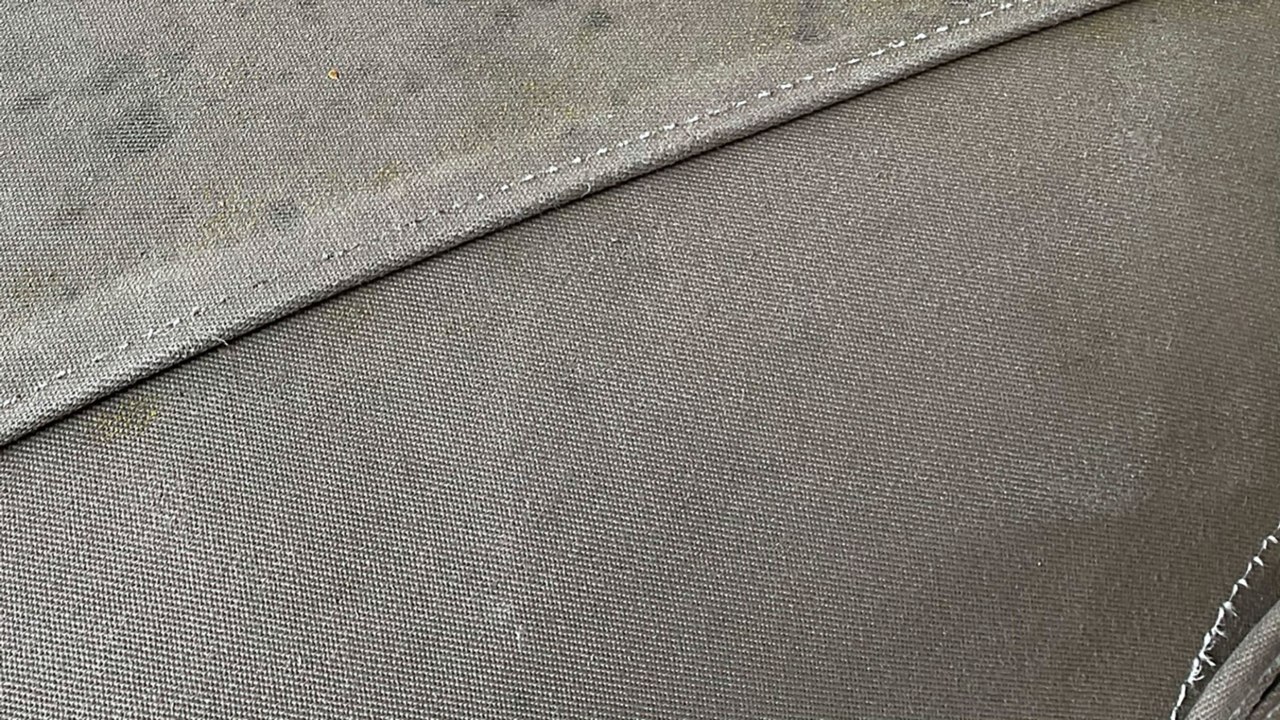
Stitching is the sewn thread that joins the panels of a convertible roof or soft top. The outer skin, inner lining, pockets and tension straps are all held together with rows of stitching along seams and edges. On older cars and well used roofs, the thread becomes the weak point: it can fade, rot, break or pull through the fabric even when the material itself still looks reasonable.
Why it matters
Sound stitching keeps the roof tight over the frame so it holds its shape and does not flap or sag. Split seams and missing stitches open little channels where water creeps through, leading to drips, damp trim and misty windows. On some roofs, stitching also secures the tension straps and pockets that control how the hood folds -- if these fail, the roof mechanism can strain or fold awkwardly. And the condition of the stitching decides whether repair is viable: good fabric with failing stitching may be a candidate for specialist re-stitching; if both are tired, a new hood is often more sensible.
Where you'll see it
Stitching gets mentioned on inspection reports, water leak assessments and trimming or hood replacement quotes. Typical comments include stitching perished at rear corners, hood stitching gone along seams or stitching needs attention around rear screen. Detailers may also note stitching condition when advising on cleaning and proofing, since aggressive methods accelerate wear on already weak seams.
Context
Stitching is one part of the wider hood system, alongside the fabric or vinyl, frame, seals, gutters and drains. On modern mohair and fabric roofs the thread is usually synthetic and UV-resistant, but age, sunlight, chemicals and constant folding still take a toll. Classic duck hooding and some older vinyl roofs use more traditional threads that are even more prone to rot if left damp. When chasing leaks, distinguish between water seeping directly through tired fabric and water tracking along failed stitching at seams. The repair approach is different in each case.
Common mistakes
- Assuming leaks near seams always mean the fabric has failed, when the real culprit is rotten stitching that now lets water creep through the needle holes.
- Scrubbing aggressively across stitch lines with stiff brushes or strong TFR, which roughs up the thread and shortens its life.
- Leaving clearly perished stitching until whole seams open up, turning a simple re-stitching job into a full hood replacement.
- Trying DIY re-stitching with unsuitable thread that is not UV or weather resistant, leading to a patchwork of weak repairs that soon fail again.