I have tar spots, how can I remove them without removing the paint sealant?

Quick answer: Use a dedicated tar remover that is safe for coatings. Wash the car first, apply to a cool, clean panel, let it dwell briefly as the label directs, then wipe away with a soft microfibre and rinse. Avoid scrubbing, harsh traffic-film removers, petrol or aggressive clay. A purpose-made tar remover won't strip a cured sealant or ceramic coating, though it may mute the beading slightly; top that up with a maintenance spray afterwards.
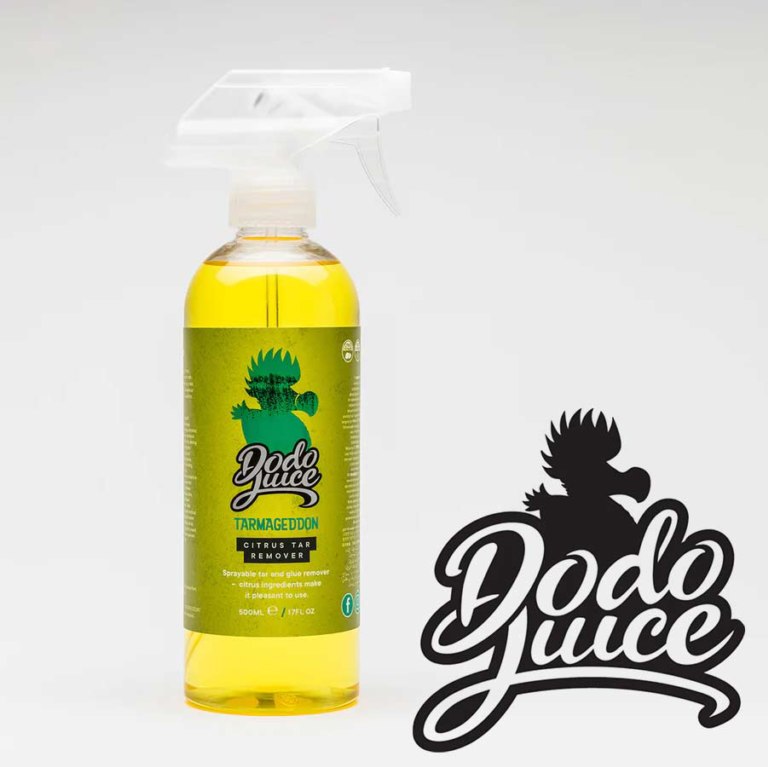
The worry behind this question is a fair one. You have spent money having the paint protected (a sealant or a proper ceramic coating) and now the lower panels are peppered with black specks that the wash mitt skates straight over. The instinct is to reach for something strong and scrub. That instinct is exactly what gets paint and protection into trouble. The good news is that the right approach is gentler than the wrong one, and it leaves your coating intact.
Why a cured coating shrugs off a proper tar remover
A cured ceramic coating is a hard, cross-linked film bonded to the clear coat. Sealants are softer but still designed to live on a car that gets washed with detergents, driven through road salt and rained on for months. Both are far more solvent-resistant than the tar sitting on top of them. A dedicated tar remover is formulated to dissolve the petroleum-based gunk without being aggressive enough to break down a fully cured coating in the brief time it spends on the panel.
The key word is cured. A coating that went on yesterday is still hardening: most need a few days of curing time and want to stay dry during it. Hitting a green coating with solvent is asking for trouble. If your protection is recent, leave the tar alone until the curing window the installer gave you has passed. On an established coating, weeks or months old, you have nothing to worry about.
The process, step by step
The job itself is short and undramatic. The discipline is in resisting the urge to speed it up with force.
- Wash the car normally first, so the tar remover is working on clean paint rather than grinding loose grit around.
- Work on a cool panel out of direct sun; solvent flashes off too quickly on hot paint and leaves you fighting it.
- Apply the tar remover directly to the spots, either sprayed on or worked in with a soft microfibre.
- Let it dwell for the time the label states. This is where the work actually happens; the chemistry softens the tar so you don't have to.
Then wipe gently with a clean microfibre: the tar should smear and lift rather than needing to be rubbed off. Re-apply to anything stubborn rather than leaning on it harder. Finish by rinsing the panel and re-washing if you have treated a large area, because tar remover residue should not be left to dry on the paint.
The principle under all of this is simple: dissolve, don't abrade. The controlled chemical breakdown of the tar is what protects your coating. Mechanical scrubbing (whether with a cloth, a pad or an over-keen clay bar) is what marrs the surface and wears at the protection. Treat this as targeted decontamination, not part of your routine maintenance wash.
What not to reach for
Plenty of things will shift tar. Most of them will also damage paint, trim or both, and several will strip a sealant outright. The home-remedy lists that circulate online are where a lot of avoidable damage starts.
- Petrol, white spirit and raw solvents will dissolve tar, but they are uncontrolled, attack soft trim and rubber, and present a real fire and skin hazard. A purpose-made product is balanced to be hot enough for tar and no hotter.
- A strong alkaline traffic-film remover at strong dilution is the classic sealant-stripper. It has its place in a wash bay, not as a spot tar treatment on coated paint.
- Clay as a first resort is a mistake. It is a mechanical abrasive; on stuck-on tar it drags contamination across the clear coat and instals fine marring. Chemistry first, clay only for what is genuinely left behind.
- Household degreasers are not formulated for automotive paint or trim; the surfactant package can dull a coating and is unpredictable on plastics.
For anything you clean on the exterior of a coated car, stick to products made for cars and skip the kitchen cupboard. The formulators of a respected tar remover have already done the balancing act for you: hot enough to dissolve tar, gentle enough to spare the paintwork and the trim.
Will it knock the beading back?
It might, slightly, and that is not the same as stripping the coating. A solvent strong enough to dissolve tar can lift the thin layer of bonded sealants, waxes or topper sitting on top of the coating, and it can leave a faint oily film where the residue has not fully rinsed. The hydrophobic behaviour (the tight beads and the way water sheets off) can look a touch lazy for a wash or two afterwards.
The coating itself is untouched. The fix is a quick top-up: a ceramic maintenance spray or detailer over the cleaned panel restores the slickness and the beading and puts a fresh sacrificial layer back over the coating. Think of it the way you would re-wax a panel you have just polished; the protection underneath was never the thing that left.
When tar is the start of a bigger job
Sometimes the tar is so widespread, or so embedded, that it raises a different question entirely. A car that has driven enough fresh road surface to pick up tar across the whole lower half has usually picked up plenty else besides (iron fallout, overspray, bonded grime) and a single-panel spot treatment starts to feel like the wrong tool.
This Range Rover is the case in point. It came in to us for a tar-spot removal job, nothing more. Once Tom, our operations manager, had it on the ramp and looked at the state of the lower panels, it was clear the decontamination needed to be a full one rather than a dab-and-wipe. And here is the thing the owner hadn't fully clocked: the work of decontaminating and prepping the paint properly is largely the same work whether you stop there or carry on and protect it. The car left with a Matrix Blue 3-year ceramic coating, because at that point the extra step was the cheap part. The expensive, time-consuming part (getting the paint genuinely clean and ready) was already done.
That is not to say every tar job needs a coating; most are exactly what they look like, a ten-minute spot treatment you can do at home with a good product and a light hand. But if you find yourself doing it again and again, or the spots are spreading faster than you can keep up, it is worth treating the underlying contamination once, properly, rather than chasing specks panel by panel for the rest of the car's life.