Carnauba

Quick answer: Carnauba is a hard natural wax from the leaves of the Brazilian carnauba palm. In car care it is blended into paste or liquid waxes to boost warmth, depth and hydrophobic behaviour, but it is a short-term, cosmetic protectant rather than a long-term barrier like ceramics or PPF.
Carnauba is a type of wax extracted from the Carnauba Palm Tree found in Northern Brazil. The leaves of the tree are dried and then beaten to collect the wax, which is then purified and bleached for different industrial applications, with purer grades being used in cosmetics, food or medicine (It may be the coating that prevents your chocolate melting in your hand).
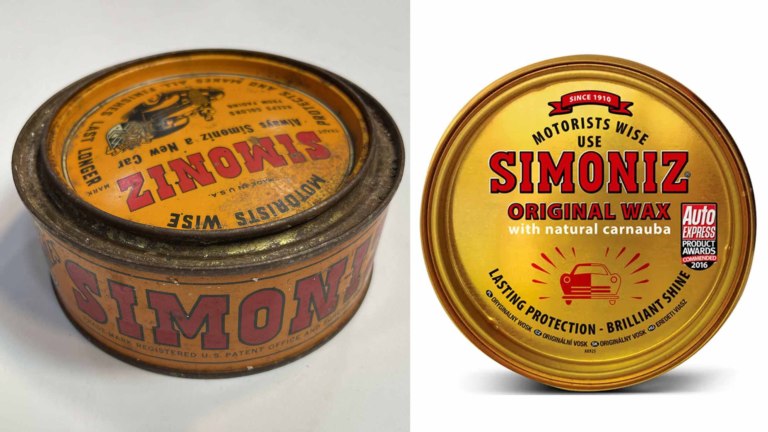
There are many carnauba waxes to choose from, and some of the oldest are still going strong.
Carnauba is very durable, has a high melting point, is glossy and has long been used in car waxes, which form a protective sacrificial barrier to protect against moisture, UV and chemical contaminants, and of course provide a shine.
Marketeers of automotive waxes have given carnauba a near-mythical status as an ingredient, with manufacturers boasting how much carnauba is in their product, or how pure their carnauba is, and charging a premium as a result, despite bags of T3 grade carnauba being available for about £3 on eBay. Like most products, waxes are a blend, and they need a mix of hard wax, soft wax, oils, solvents, and preservatives to be effective, and carnauba is just one ingredient amount of many.
With that said, carnauba paste waxes are the favourite among car detailers for producing a high shine with good durability and life, they are hard to beat, although synthetic waxes are giving them a run for their money. Some people might argue that synthetic waxes don't have the warmth of natural waxes, and there is something to be said for tradition.
What it means
Raw carnauba flakes are refined and mixed with solvents, oils and other waxes or polymers to make usable products. It lays a thin, hydrophobic film that enhances gloss and the "wet look", especially on darker colours. Modern "hybrid" waxes combine carnauba with synthetic polymers for easier application and slightly longer durability.
Why it matters
Carnauba is a beauty product and honest about being one. What it offers is warmth and depth, a gloss that dark colours in particular seem to sit inside rather than on top of, together with tight beading that owners enjoy watching. Applied thin on a cool panel it is forgiving to spread and easy to remove, which is part of why it has survived every technical advance aimed at replacing it.
Durability is where the honesty is needed. Protection measured in weeks to a couple of months, depending on weather and how the car is washed, puts it a long way behind anything engineered for longevity, so it works best as a quick cosmetic layer on a car that carries no coating, or as something applied for an event rather than a season. Buying it for looks makes sense. Buying it for protection does not.
What carnauba is sold in
Paste wax tins and liquid waxes carry it, along with hybrid carnauba products blending it with synthetics, and it anchors show-car routines aiming at a deep, rich finish. Product listings quote a carnauba percentage as a quality signal, and detailing menus offer a carnauba wax finish as an upgrade over a synthetic one. Owners and judges reach for words like warmth and depth to describe the result, which rarely attach to sealants or coatings.
Context
Carnauba is a natural material in a category that has largely gone synthetic. It sits with polymer sealants and ceramic coatings as a last-step protection, distinguished by warmth of finish rather than longevity, which is why it survives in show work more than in daily use.
Common mistakes
- Expecting ceramic-like durability or chemical resistance from a carnauba wax.
- Applying thick layers - hard to buff and can haze or "bloom", especially in humid conditions.
- Waxing over bonded contamination - decon first for better look and bonding.
- Getting residue on textured plastics - can leave white staining.
- Using under a ceramic coating - oils and waxes inhibit coating adhesion.
- Polishing or waxing matte/satin finishes - alters sheen and appearance.