Ceramic Coating

Quick answer: A ceramic coating is a silica-based protective layer that cures into a thin, clear, glass-like network on automotive paint. It improves chemical resistance, gloss and water behaviour and makes cleaning easier. It is not scratch-proof and does not fill scratches.
A ceramic coating is a protective layer of synthetic resins and silica dioxide which can be applied to any hard surface including paintwork, plastic, glass and metal.
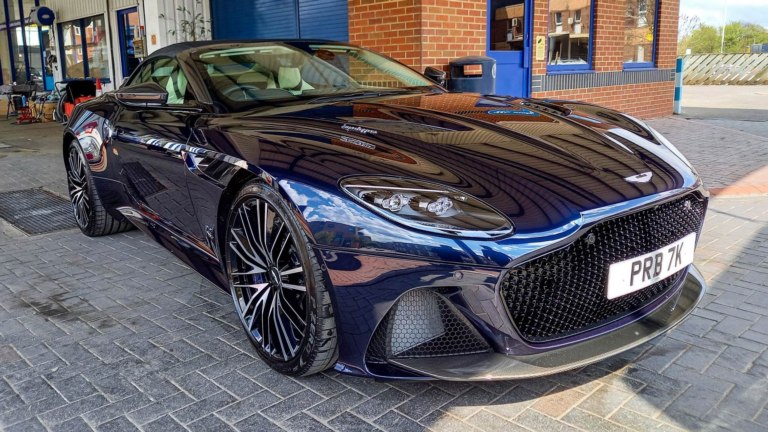
Ceramic coatings are a semi-permanent car paint protection coating which require skilled application and are applied as an alternative to waxes and sealants. A ceramic coating creates a protective layer which forms a bond with the paintwork to provide a durable barrier against the environment and helps protect against dirt, grit and corrosive compounds which damage your car's appearance.
The coating also preserves the paintwork's shine and is highly hydrophobic, making it easier to clean and maintain your vehicle. Ceramic coating gained popularity through the 2010s, largely because of their ease of maintenance.
Professional grade ceramic coatings need to be applied by a trained technician within a controlled environment, and therefore are generally only available from car detailers at a fixed premises. After careful preparation of the surfaces which are to be treated, the coating is applied by hand, after which there is a cure time during which the car needs to be protected from moisture and extremes of temperature.
What it means
Ceramic coatings are typically SiO2/organosilane systems that flash and cross-link on the clear coat to form a hard, low-surface-energy film. Applied thin and levelled correctly, they give predictable beading or sheeting and slow re-soiling. Proper preparation - decontamination, polishing where needed and a residue-free panel wipe - is essential for bonding and appearance.
Why it matters
Buying a coating buys time, not immunity. What it delivers is a harder, more chemically resistant layer than wax or most polymer sealants, so protection lasts through months rather than weeks and survives stronger washing without breaking down.
Appearance is the part owners notice first, with gloss and clarity lifted and water behaviour tuned so a car dries faster and more evenly. The day-to-day benefit is quieter: less effort at every wash, better resistance to staining and light wash marring, and a finish that holds its condition rather than degrading through the ownership. That feeds directly into value at resale, though only for a car that has been washed sensibly and topped up periodically. A coating rewards a maintenance routine; it does not replace one.
Where ceramic coating appears on a menu
Detailers' service menus, accredited installer networks, DIY consumer ranges and brand warranties all use the term, with the warranties building cure windows, aftercare requirements and inspection intervals around it. Quotes describe ceramic coating applied to paint, glass and wheels, or two-layer ceramic coating with topper, while inspection notes record coating still performing well or coating failed, no maintenance history. Owners frequently arrive using the phrase loosely for anything that beads.
Context
Ceramic coating is the umbrella term the rest of this section hangs off. Below it sit the retail and professional tiers, the graphene and glass variants that are mostly naming rather than chemistry, and the maintenance products that keep any of them working. Wax and polymer sealants are the older technologies it competes with rather than versions of it.
Common mistakes
- Assuming "ceramic = scratch-proof" - it improves resistance to light marring but will not stop chips or deep scratches.
- Expecting it to fill defects - scratches and swirls need polishing before coating.
- Skipping decon/polish/panel wipe - poor prep leads to weak bonding, high spots and patchy behaviour.
- Applying on hot or cold panels, in high humidity or in direct sun - timing and wipe-off become unpredictable.
- Letting the car get wet before it is water-safe - risk of water spotting during early cure.
- Layering too thick or outside the inter-coat window - causes smears and poor bonding.
- Using paint ceramics on windscreens - many are not wiper-safe; use a dedicated glass coating.
- Coating fresh respray too soon - respect the repaint waiting period per the paint TDS.
- Relying on harsh TFRs weekly - strong chemistry can mute hydrophobics and shorten real-world life.