

Aug
19
2019
Updated July 2026Why do we love shiny cars? Having been in thousands and thousands of shiny cars over the years, I think I can finally put this thing to rest.

Mainly it’s about the feeling it gives you. Have you ever put on a brand-new pair of shoes, a brand-new pair of socks, a brand-new pair of jeans and a new shirt or all of them? Or even if they’ve just been washed and ironed, you can’t help but feel fantastic. There’s just something about that feeling, that new feeling. Well, the same thing happens when you get in a car that feels like brand-new. You just feel amazing.
Having restored the shine on everything from everyday hatchbacks to Maseratis and Aston Martins over 24 years, we know that reaction never gets old.
Shiny cars actually look better, you can see the design lines that the manufacturing designer intended. Shiny exaggerates the look and shape of a car. It gives that new feeling to everyone who looks at it.
A sunny day makes it even better. The Sun exaggerates the shine, you end up with shiny on the brain.
Shiny cars and pride go together. Has pride gone from this country? No. ‘Course it hasn’t. It’s just been temporarily misplaced by the people with the dirty cars, the dirty houses and the long grass. Maybe they’re having a setback. Maybe they just haven’t had a shiny car yet... Once you have, you’ll understand.
Why do older cars look dull?
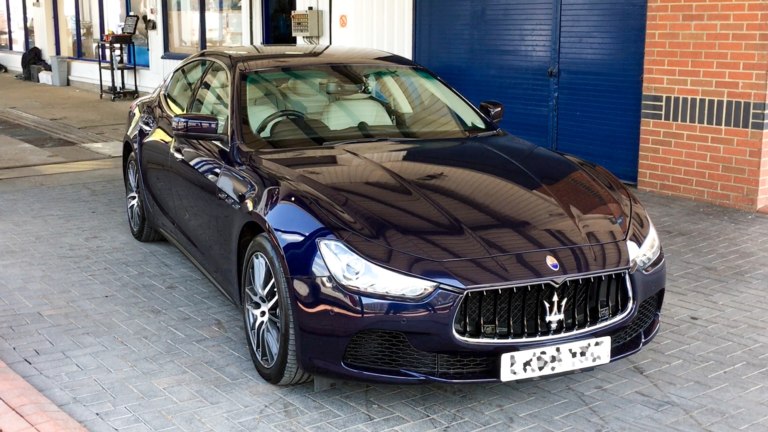
The two main reasons your car isn't looking good as new, are oxidization and wash marks.
When you wash your car, and wipe it over with a sponge or wash-mitt, you are actually rubbing the dirt against the paintwork. That dirt contains lots of little bits of grit which cause microscopic scratches in the surface of the paint. Then instead of reflecting light like a mirror, the scratched uneven surface scatters light in all direction.
The other main reason your paint may look dull is that it reacts with ozone in the air, which steals molecules from it, causing the surface to become bleached and powdery. This can be hard to see on newer cars, but it is there, causing a dull haziness.
With the surface of the paint roughened by wash marks and oxidation, dirt can more easily cling to it, meaning it is stained by all sorts of environmental contamination. Oil, fuel, exhaust fumes and organic matter. When your paintwork is rough, you will never get it thoroughly clean.
How do I restore the shine to my car?
There are a number of different products you can try. A good hand polish will remove oxidation and brighten the paint, this will also help remove some of the ground in dirt. There are also paint cleaners that will help remove stains and contaminants.
While hand polishing will help improve the shine of your car's paintwork, it is unlikely to make much of an impression on the wash marks. To remove these unsightly micro-scratches is best done with a machine polisher. You could buy a polishing machine and have a go yourself, but this is a job best left to professionals.

Come and see us about machine polishing your car. We can usually get it back to as shiny as new, or very close to it. Once the paint’s corrected, maintaining the shine is a far easier job.
How do I keep my car shiny?
Avoiding oxidation is easy, you just need to keep the car protected with a coat of wax, that way the ozone will be reacting with the wax and will never get anywhere near your paintwork. A good quality wax will last around six months, but it will be at half strength halfway through that period. So, we would recommend waxing your car every three to four months.

Avoiding wash marks is a little harder to do. Many people have spent many hours making YouTube videos on the best way to wash a car without causing scratches. There will be lots of talk about snow foam and the two bucket method, however the people who make these videos are often enthusiasts and their approach might be a little fanatical, adding in lots of additional products and complexity. Instructions on how to wash a car are beyond the scope of this article, but we do suggest you give the videos a look, paying careful attention to the advice on what you shouldn’t do.
Alternatively, find an automated touchless wash, or a hand car wash you can trust.
Consider a coating

If you do have your car professionally polished, consider having a ceramic coating applied at the same time. We use Fireball coatings; the finish has a depth and a wet-look clarity that wax simply can’t match. Run your hand over it and it feels almost frictionless. As a practical bonus, dirt and water bead straight off, so you wash the car less often and when you do, it takes minutes. The coating is also tough enough to resist light scratches and oxidation, so the shine lasts years rather than weeks.
If you would like a shiny car, talk to us about our car polishing service.
Danny Argent, writer and training officer at New Again.
Over 24 years in the industry, 250+ articles, featured in publications such as Fleet News and Fast Car.
Related Blogs
Here are some more of our latest #ceramic-coating blogs
New Again Now Accredited to Apply Fireball Ceramic Coatings

Aug
08
2025
Officially accredited by Fireball Korea to apply their full professional coating range -- years of real workshop experience behind it.
Read ArticleWhat are the drawbacks of a ceramic coating on a car?

May
27
2025
I went through the 16 drawbacks the internet lists for ceramic coatings. Most do not survive the question "compared to what?". Here are the two that genuinely do.
Read ArticleHow long do ceramic coatings really last?
May
27
2025
Ceramic coatings last between 3 and 10 years. At least that's what the Guarantee says. Do they really last that long, or do they last even longer?
Read ArticleWhat customers actually say after a year with a ceramic coating
Sep
25
2023
Honest customer feedback after 12 months with a ceramic coating -- what held up, what surprised them, and what they'd tell a friend.
Read ArticleDetail a New Car? Yes -- and Here's What You're Actually Paying For
Nov
18
2022
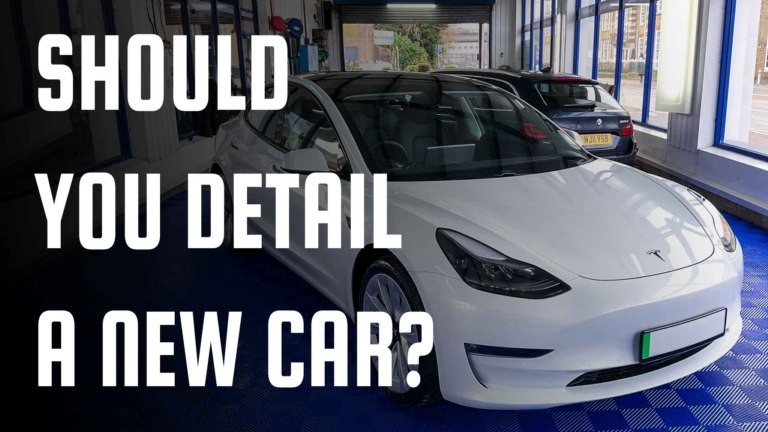
New cars leave the showroom with swirl marks, fingerprints and transport film. Here's what a proper new-car detail actually does.
Read ArticleWhat does it cost to have a car polished? It depends which job you need
Sep
05
2022
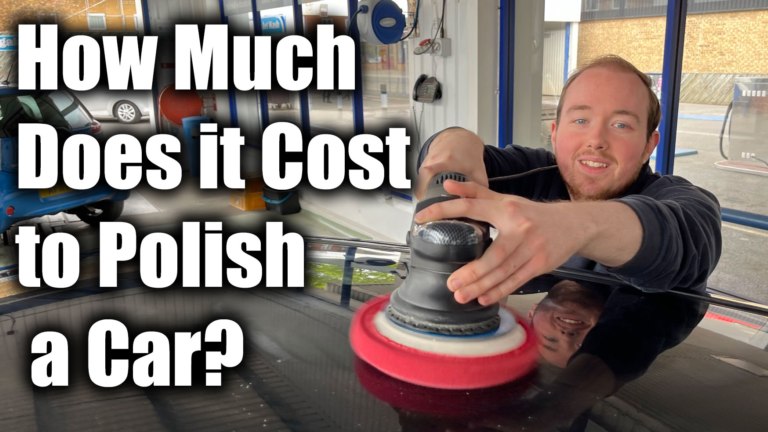
Polishing prices range from a light machine buff to full paint correction. The job you need depends on paint condition, not just what you want to spend.
Read ArticleCar Paint Protection De-Fuddled

Jan
05
2022
Ceramic coating, PPF, wax, sealant -- what actually protects your paint and what's just marketing? A plain-English breakdown from our Chelmsford workshop.
Read ArticleCleaning Convertible Car Roofs
Jul
03
2020
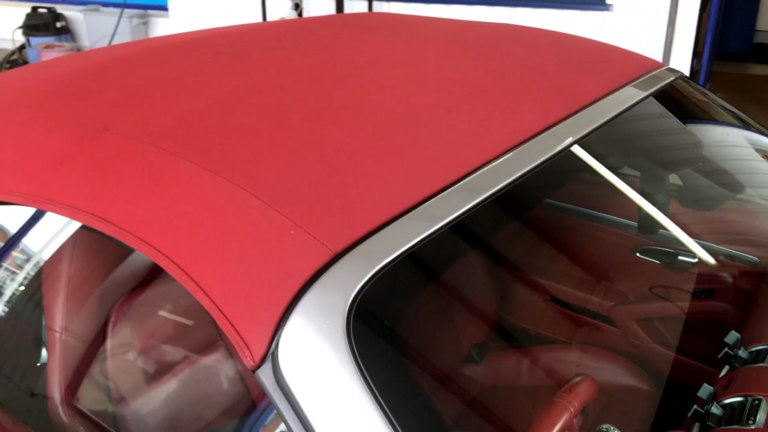
Soft-top roofs attract moss, fade and break down without regular cleaning and reproofing. Here's how to keep your hood in good condition.
Read ArticleWhy Everyone at New Again Has Their Own Car Coated
Jul
15
2019
The detailers who apply coatings daily all coat their own cars. That's the honest case for paint protection -- what it does and doesn't do.
Read Article
Share this blog