Rear Vents

Quick answer: Rear vents are the hidden pressure-release vents in the back of the car - usually with rubber flaps behind the rear bumper or side trims - that let cabin air escape. If their seals, housings or flaps fail, they can allow water and spray to leak into the boot or rear quarters.
All cars have rear vents hidden somewhere at the back of the car. The purpose of these vents is to release air pressure. As air comes in through the front of the car via the heater/air conditioner, or through open windows, it needs to escape through the back to prevent drag.
It should also be noted that it is important for a car to have good air circulation to help air it out, and prevent the car getting damp or smelling musty.
The vents are usually positioned behind the back bumper on the sides of the car, and almost always consist of a set of one-way flaps, rather like cat-flaps, often called gates.
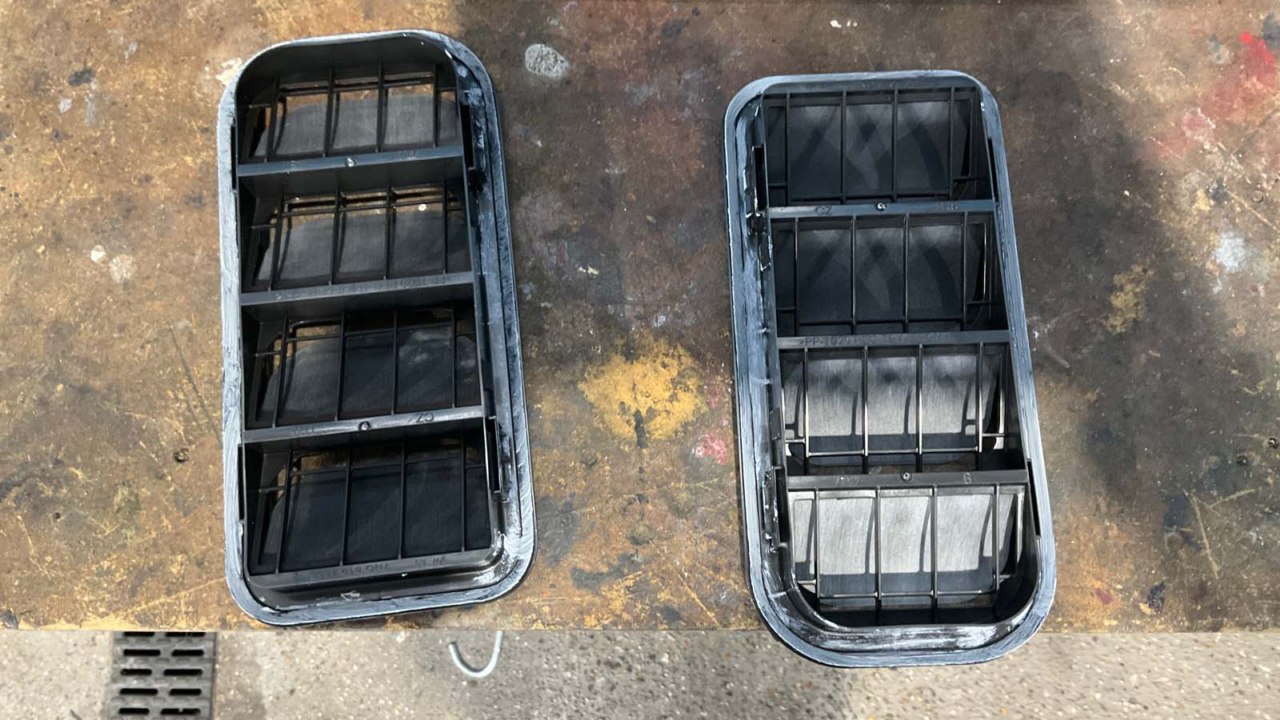
These vents are a very common cause of leaks. The main cause of the failure is that each gate is a single sheet of plastic with a fold which acts both as a hinge and a spring to create a one-way valve, and over time the plastic weakens, meaning that the gates don't properly close. This makes replacement the only viable fix for this issue, thankfully these are usually inexpensive parts. As with other points of entry, it may also be the case that the gaskets for the unit perish or dirt and debris blocks the function.
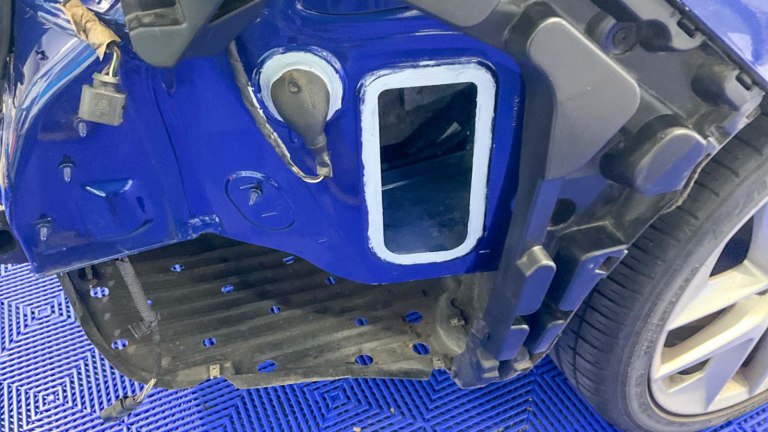
It is usually necessary to remove the rear bumper to access the rear vent properly, as they are usually affixed from outside the car's body.
This also gives the opportunity to clean the entire area and gain access to any other fittings passing through the body, as these may also have rubber grommets which will have aged and may leak. Therefore, it makes sense to address these while the bumper is removed. They can be cleaned up, replaced if necessary, and refitted with sealant.
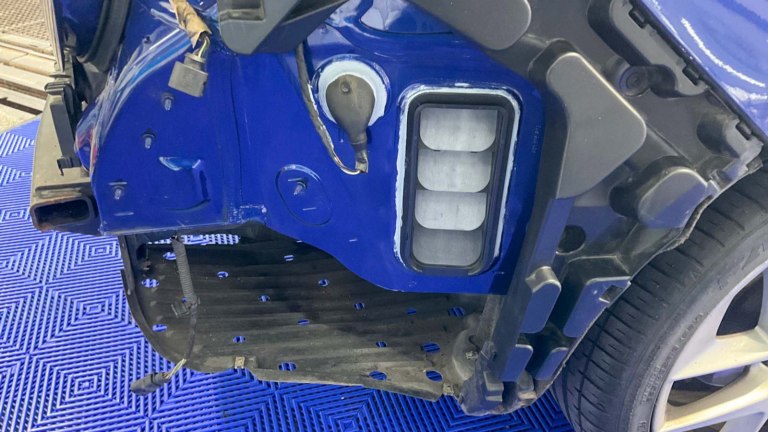
Typically, when rear vents leak, they do not flood the back of the car. Instead, water finds its way into the box sections which run along the side of the car, causing water to flow into the floor of the cabin. This will then find its way to the lowest point, which is often the front foot wells.
What it means
Rear vents are the built-in outlets that let air escape from the car. When you shut a door or run the heater and fans, air has to go somewhere; the rear vents provide a controlled way out. They are usually plastic frames with rubber or foam flaps, mounted low down in the rear quarters or behind the bumper. From the outside you rarely see them - they sit behind trim panels - but they play a big part in how the cabin breathes and, when things go wrong, how water gets into the boot.
Why it matters
Rear vents are a common leak source and an easily missed one. When the vent's seal to the body perishes, the housing cracks or the flaps warp, water thrown up by the rear wheels and bumper can be driven straight into the boot or the rear quarter cavities. What follows is usually water in the spare wheel well, damp rear carpets and, on some cars, wet wiring looms and modules mounted in the boot side panels.
They are doing a job, though, which is why sealing them over is not the answer. Working vents let air escape so doors close easily and pressure does not build inside the cabin; block them completely and you simply trade one problem for another. A leaking vent wants repairing rather than covering. The harder part is finding them at all: hidden behind trim and bumpers, rear vents are routinely missed in DIY leak checks, even when every symptom points at the back of the car.
How rear vents are recorded
Technical bulletins and bodyshop notes cover them, and leak reports name them often. Typical comments include water entering via rear vent housing, rear vents poorly sealed from factory, replace and reseal rear body vents or boot floor wet, rear vent area to be tested. They are a regular suspect when owners report water in the spare wheel well, damp in rear corners or sloshing sounds from behind boot trims.
Our own case files put the mechanism plainly. On a Mini Countryman the water was thrown up off the road under the back bumper, ran down the rear valance and got past the vent seals into a box section inside the car: which is why this fault often has less to do with rain falling on a parked car than with driving it in the wet. On a Lexus it was not the seal at all but the one-way gate itself, weakened with age so that road spray could push back through it. And on a Golf cabriolet the choice was the usual one: remove the vents, clean them and reseal, or replace them outright where the rubber has perished too far to be worth saving.
Context
Rear vents work together with door membranes, rubbers, drainage channels and body seams as part of the car's overall water and air management system. Water thrown up from the road is expected in the bumper cavity - the design assumption is that it stays outside the sealed body shell. When investigating leaks, a specialist will usually remove boot trims, sometimes the rear bumper, and water test around the vent housings while watching from inside. The fix is typically to renew or reseal the vent units with the correct sealant or gaskets, and in some cases replace cracked housings or distorted flaps. Simply blocking the vents with sealant is not recommended, as it interferes with the car's intended pressure relief and can create new noises or draughts elsewhere.
Common mistakes
- Assuming all boot leaks come from the tailgate seal or rear lights and never checking the rear vents hidden behind the bumper or trims.
- Attempting to cure a leak by sealing over the vent opening entirely, which can interfere with cabin pressure relief and create other noises or draughts.
- Refitting vents after body or accident repairs without properly cleaning and renewing the sealant or gaskets, leading to slow, intermittent leaks.
- Drying a wet boot and carpets without inspecting the vent area, so the underlying leak from a cracked or loose vent housing continues unchecked.
For a wider guide to all the main places water typically enters a car (not just rear vents but door drains, scuttle, sunroof pipes and windscreen seals) see what are the most common places water gets into a car?