Removable Hard-Top

Quick answer: A removable hard top is a solid, non-folding roof that can be unbolted or unclipped from a convertible or roadster and stored, turning it from a closed car into an open one while leaving the rest of the body in place.
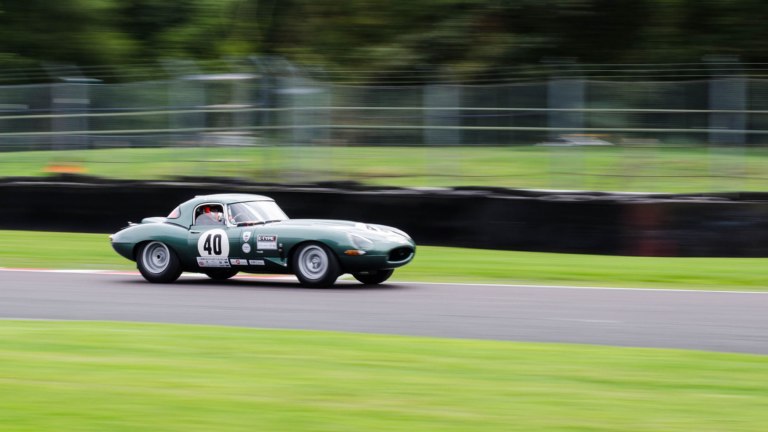
Some older cars have a hard top which can be completely removed.
A convertible car is not just a normal car with the roof chopped off, and much of a car's structural strength comes from the roof. So a cabriolet or roadster is built especially with increased strength.
Even so, adding a hard top for racing increases the strength of the car and can help with aerodynamics.
When you take the roof off a roadster, it cannot be stored inside the car and has to be placed somewhere safe.
There are a number of cars that have this feature, and although they don't suffer from the same problems that a fabric roof would have, they still need special care with the rubbers and drainage to prevent leaks.
What it means
A removable hard top is a solid roof that can be fitted to, or taken off, a convertible or roadster. Unlike a fabric soft top or folding metal roof that lives on the car permanently, a removable hard top is a separate shell that usually bolts or clips on to the windscreen frame and rear body. When fitted, it behaves like a fixed roof with framed glass and substantial seals. When removed, the car goes back to being an open-top with its normal soft top or no roof at all.
Why it matters
Winter is the argument for the hard top. It is quieter, less draughty and more secure than fabric, which turns a summer car into something usable through the months when a soft top starts to feel like a compromise.
It changes the character too. With the top on, a roadster behaves much more like a coupe; with it off, the car is fully open again, and owning both states is most of the appeal. Ownership brings its own maintenance, though: mounting points, latches and rubber seals all need keeping clean and in condition, or the result is creaks, wind noise and leaks around the joints.
Storage is the part people underestimate, because hard tops are bulky and easily damaged if dropped, flexed or leaned somewhere convenient, which is why stands and wall mounts exist.
Which cars came with one
You will see removable hard tops mentioned in sales listings, classic car adverts and inspection reports, for example supplied with factory removable hard top or hard top available by separate negotiation. Water leak and detailing reports may refer to leaks at hard top seals, corrosion at mounting points or hard top needs machine polish. Many popular roadsters and sports cars have optional or original equipment hard tops.
Context
Removable hard tops sit alongside soft tops, folding metal roofs, sunroofs and removable roof panels as part of the open-roof family. Some cars come with both a fabric soft top and an additional hard top for winter use. Others may have only a removable hard top and no soft roof at all. From a detailing and leak diagnosis point of view, the focus is on the condition and adjustment of the hard top seals, the alignment of the shell to the body and the state of the mounting hardware. Poorly fitted or damaged hard tops are a common source of drips, rattles and wind noise, especially on older vehicles.
Common mistakes
- Handling the hard top roughly or lifting it by weak points, which can distort the shell or damage mounting brackets.
- Storing the hard top on its leading edge or on rough surfaces without a proper stand, leading to scratches, cracks or warping.
- Ignoring flattened or torn seals and chasing leaks in carpets and trims instead of addressing the hard top fit and rubbers.
- Pressure washing directly into hard top seams and joints at close range, which can overwhelm even good seals and mimic a leak problem.