Convertible Roof

Quick answer: A convertible roof is the movable top of a cabriolet or convertible car - usually a folding fabric, vinyl or metal roof - that can be raised or lowered so the car can be driven open or closed.
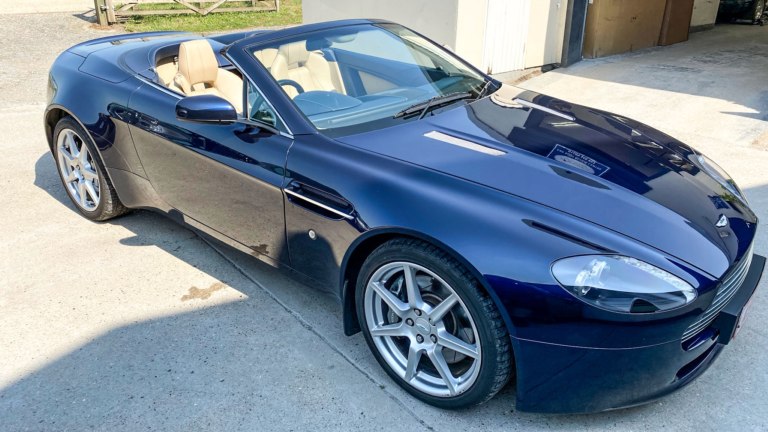
A convertible roof is any vehicle roof which can be retracted or removed, in whole or part.
Although these days, most people think of 'a convertible' as having a 'soft-top' fabric cover over a retractable frame, it also applies to vehicles where a hard top can be removed, roof panels can be retracted or removed, or the retractable roof is made of something other than fabric, such as vinyl.
What it means
The convertible roof is the top section of a convertible or cabriolet that opens and closes. On many cars it is a folding fabric or vinyl soft top with a frame and tensioning cables. Others have a folding metal or composite hardtop that disappears into the boot. The roof usually includes the outer skin, headlining, frame, seals, rear window and operating mechanism (manual or powered) that work together to keep the weather out when closed and allow open-air driving when retracted.
Why it matters
A convertible roof and its seals are all that stand between the cabin and the weather, so a healthy one keeps rain, wind and noise out while a neglected one brings leaks, damp interiors and a noisy drive. On a soft top it is also the largest visual element on the car, which is why green algae, staining and fading make an otherwise tidy vehicle look old and unloved.
Replacement is where the real cost sits. Roof fabrics, rear screens and mechanisms are specialist parts fitted by specialist labour, so regular cleaning and proofing works out dramatically cheaper than the alternative. The leak points are worth knowing as well: stitching, seams, gutters and the rubber seals around the roof and glass are the usual routes for water into both cabin and boot.
How listings and reports refer to it
Sales listings, inspection reports and detailing or repair menus all use the term. Phrases such as roof needs clean and reproof, leaking around convertible roof seals or convertible roof mechanism faulty are common. Detailers and specialists may distinguish between fabric soft top roofs, vinyl roofs and folding metal roofs because each type needs different cleaning and protection methods.
Our own case files make one point repeatedly, and a VW Golf cabriolet write-up states it outright: people who find water inside a convertible assume the roof is leaking and that they need a new one, and that is seldom the case, particularly on newer cars. On a Mazda MX5 it was the drainage holes underneath the roof, blocked, which the page calls fairly normal for cabriolets. And a Mini convertible explains why the windows matter so much: on most convertibles the glass is not held in a frame but pressed against rubber, so the seal depends entirely on those rubbers staying plump, flexible and clean.
Context
Convertible roofs come in several main types. Traditional soft tops use fabric (often canvas or mohair-style material) that benefits from careful cleaning and reproofing to stay waterproof and resist mould and algae. Some older cars have vinyl roofs which are wiped and dressed rather than proofed in the same way as fabric. Modern folding metal roofs behave more like a complex body panel and glass system, with hard surfaces but lots of seals and drains to keep clear. Whatever the style, the roof and its seals sit at the boundary between exterior detailing, water leak diagnosis and, on powered roofs, electrical and mechanical repair.
Common mistakes
- Scrubbing fabric roofs with stiff brushes or harsh TFR, which can damage fibres, flatten the pile and strip existing protection.
- Ignoring green algae, mould and dirt until they stain permanently or start holding moisture against the fabric and stitching.
- Assuming leaks from a convertible roof always mean the fabric has failed, when the real problem is often blocked drains, tired seals or poor alignment.
- Running powered roofs when they are frozen, stiff or obviously obstructed, risking expensive damage to frames, motors and sensors.