Tom diagnoses a badly leaking Ford Fiesta with mould on the seats and multiple leak sources: a failed door membrane, perished tailgate rubber, and rear air vents pouring water. All four door membranes replaced, bumper removed to reseal the vents, three nights drying, interior clean and odour removal, then rain arch tested.
This 2009 Ford Fiesta came in because the owner was finding water in the boot and both front footwells. When Alfie pulled back the carpet on the driver's side, the moisture meter was nearly off the charts. There was mould already growing on the seats, along the headliner, and in the footwell: the kind of thing that starts affecting air quality if it is left long enough.
The water leak diagnosis worked through each area methodically. A watering can poured down the driver's window confirmed the door membrane had failed: instead of draining cleanly through the drainage holes, water was coming straight through the door card and into the cabin. Alfie then moved to the rear of the car. The tailgate rubber pulled away easily; the original sealant had worn down to nothing. More significant was what the endoscope showed at the rear air vents: water pouring through in volume, running down into the boot well. Blanking tape had been applied over the vents at some point, but only on the outside: so it was never a proper seal.
The repair covered all the failure points. The rear bumper had to come off to access the vent fixings; the vents were cleaned, primed, reseated, and sealed from both inside and out: a sandwich seal, rather than tape on one face only. The tailgate rubber was replaced and resealed. On the door membranes, the decision was made to replace all four rather than just the one that had visibly failed. Because they were all fitted at the factory at the same time, if one has worn through the others are not far behind, and sending a customer home knowing another could go in a week is not something the workshop is comfortable with.
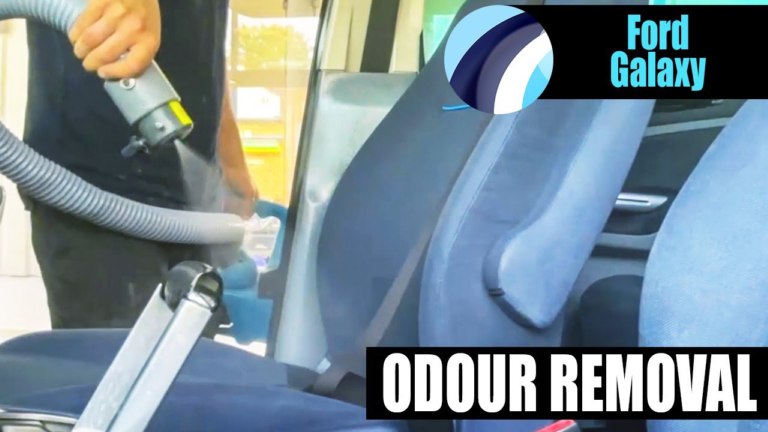
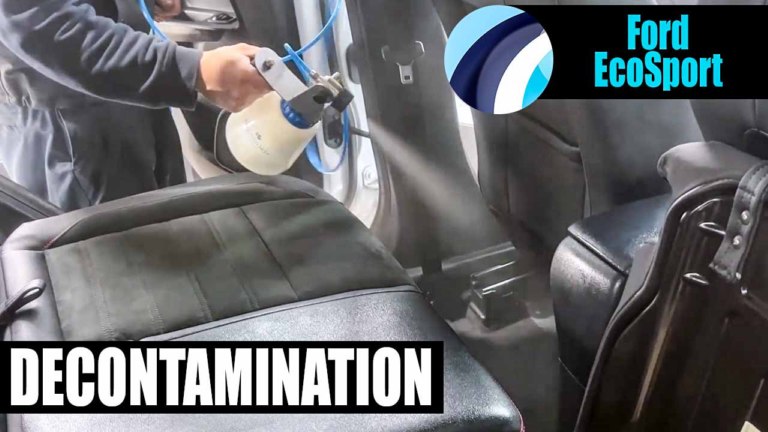
Because the car had been wet for long enough to grow mould, drying alone was not enough. The seats and carpets came out, and the underlay was suspended in the air so the dryers could get underneath it: if the underlay stays flat against the floor, moisture stays trapped underneath it no matter how long you run a machine. Three nights of drying followed. Then a full interior clean and odour removal to deal with the mould spores in the fabric and on the headliner, leaving the cabin clean and safe to drive in.
Once the interior was back together, the car went through the rain arch: a simulated heavy downpour that tests all the repair work before the car goes back to the customer. It passed dry throughout. Tom's advice at handover was to monitor after the first few natural heavy rainfalls and check the areas that had been wet before, just to confirm everything holds in real-world conditions. That two-step approach (controlled test plus real-world verification) is how the workshop signs off a water leak repair.


Share this video