

Aug
16
2019
Updated July 2026Detailing isn't just a fancy valet. Here's what we actually do to a car, step by step, and why even a brand-new one usually needs it.
It's not a posh word for a car wash
People hear "detailing" and picture a valet with better marketing. It isn't. A valet cleans what you can see. A detail starts with working out what's actually wrong with the car, then fixing it in a specific order, because doing it out of order wastes the earlier steps.
Before anything touches the car, we go over it with an appraisal check sheet and ask what you actually want out of it. A car going up for sale needs different treatment to one you're keeping for years. That decision changes everything that happens next.
Decontamination comes before anything else
The paint on most cars carries more than dirt. Brake dust, exhaust particles, tar, tree sap, industrial fallout. All of it bonds to the surface, not just sits on top of it. A wash and a wipe won't shift it. We clay bar the paint to pull that bonded contamination off before a polisher goes anywhere near it, because polishing over contamination just drags grit through the paint and adds scratches instead of removing them.
Correction: dealing with what's already there
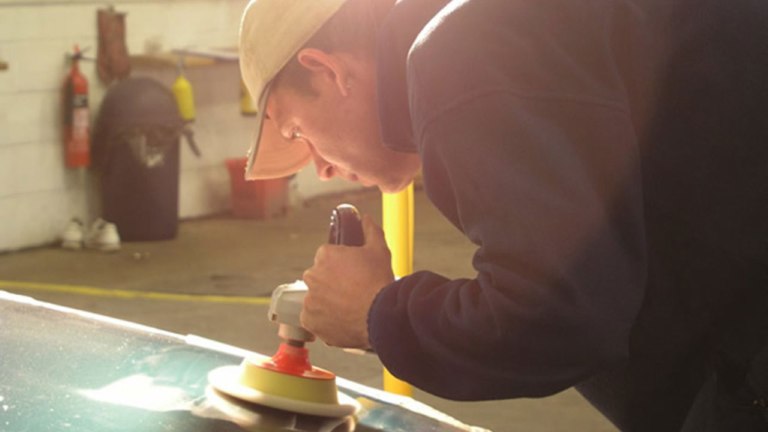
Swirl marks, light scratches, dull patches: this is what the polishing stage deals with, and it's also where a lot of damage gets done by people who don't do this for a living. We use random-orbital polishers rather than rotary machines specifically because rotary polishers can leave their own buffer marks that reappear once the wax wears off. It's a big part of why a car polished somewhere cheap can look worse within months, not better.
How much correction a car needs depends entirely on its condition and its age; a two-year-old daily driver and a neglected twenty-year-old classic aren't the same job, and pricing it as though they were would be dishonest.
Protection: the point of the first three steps
Everything up to here is preparation. Once the paint is decontaminated and corrected, we wipe every panel down with alcohol to strip any remaining oils and silicones, because a coating or sealant applied over residue won't bond properly. Only then does the actual protection go on, whether that's a wax, a sealant or a ceramic coating.
We treat the exterior detail as prep work for protection, not a finished job on its own. Paint that's been corrected and left bare will just pick up contamination again within weeks.
Even brand-new cars aren't already "done"
This surprises people the most, and it's not a one-off. We regularly find swirl marks already in the paint of cars that are only weeks old, especially if the car sat in a showroom for a while before it was sold. Showroom cars get washed constantly, often by a contract valeter going from dealership to dealership, washing dozens of cars over the course of a day. That's not a job that leaves room for care, and the wrong wash media or a dirty cloth used across dozens of cars is exactly how fine scratching gets put into paint that's barely left the factory. We found exactly this on a Tesla that was only a few weeks old: swirl marks already baked in before it had done any real mileage. New paint is also microscopically rougher than people assume, so polishing still makes a genuine difference; there's just less correction needed, which is why a new-car detail costs less than an older one.
What this actually gets you
A clean interior and shiny paint is the visible bit. The part that actually matters is that swirl marks and light scratches get corrected instead of buffed over, contamination gets removed instead of pushed around, and whatever protection goes on afterwards is going onto a surface that can actually hold it. Skip the early steps and the later ones don't do their job properly, however good the product is.
If you want to see what this looks like for your own car, our exterior detailing and interior detailing pages cover both sides, and our car polishing service covers the correction stage in more depth if that's what your car actually needs.
Danny Argent, writer and training officer at New Again.
Over 24 years in the industry, 250+ articles, featured in publications such as Fleet News and Fast Car.
Related Blogs
Here are some more of our latest #car-detailing blogs
Snake Oil in the Car Care Industry -- What to Watch Out For
Sep
02
2025
Snake oil still exists in the car care industry. Here's what we've learned to watch for after years of testing products in our workshop.
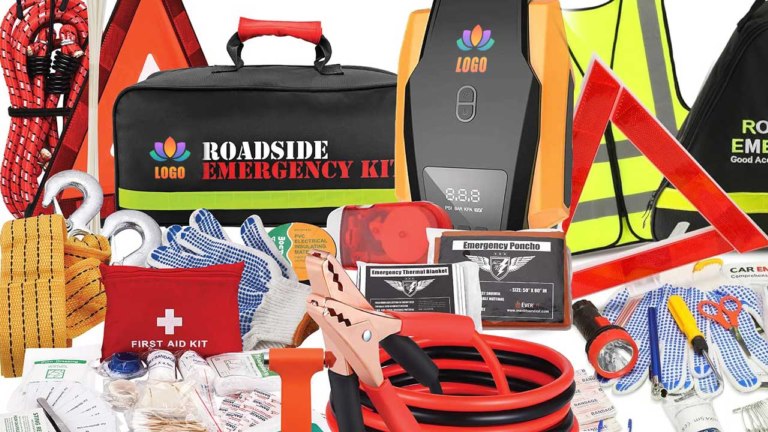
Read ArticleDad Advice - EDC Survival kit for cars
Jan
13
2024
Dad's list of tools, spares and emergency kit every son, daughter or partner should carry in the car -- built from years of hard lessons.
Read ArticleWhat is the difference between detailing and valeting?
Sep
01
2023
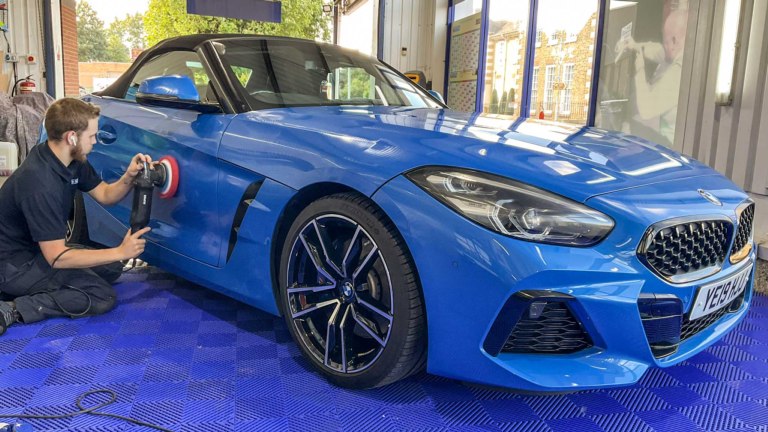
Detailing and valeting overlap, but in the UK they've diverged. Here's what each term actually covers and why the difference matters.
Read ArticleShopping with Keith Lemon
Aug
29
2023
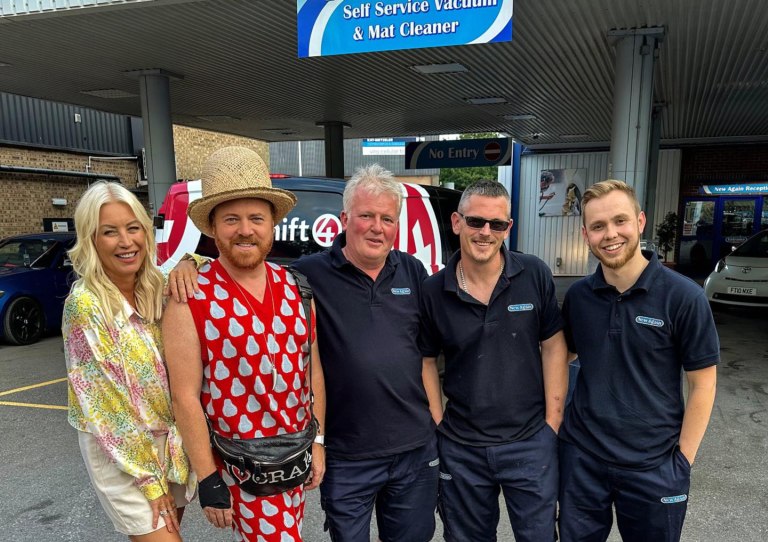
Keith Lemon and Denise van Outen visited our Chelmsford workshop to film Shopping with Keith Lemon -- we handed over the jet wash.
Read ArticleWhy you shouldn't start a car detailing business
Jul
04
2022
Thinking of going pro with detailing? Here's why most enthusiasts shouldn't -- the realities of costs, clients, and margins most forums won't tell you.
Read ArticleNature - Destroyer of cars! Part 1 - The Birds
.JPG)
Mar
05
2020
Bird droppings acid-etch clear coat in hours -- and heat speeds it up. We explain the damage, the science, and how to minimise the risk.
Read Article
Share this blog