

Aug
17
2026
2026's heatwave has been unsticking convertible rear windows from their hoods. We normally get asked to rebond a couple a year, but this summer we've done a couple of dozen. Here's what else the heat may have loosened, and what to check before the rain comes.
We've had one of the hottest, driest summers on record. Essex got 0.3mm of rain in July. That's not a typo. England hasn't seen a July that dry since records began in 1836 (Met Office).
And here’s the thing nobody’s telling you: the heat isn’t done yet. There’s still a decent chance of a late-season warm spell into September. So if you’ve been assuming the worst is behind us, don’t.
We started noticing something in the workshop several months ago. Convertible rear windows, the glass ones bonded into the fabric hood, coming loose. Not cracked, not smashed. Unstuck. The adhesive that’s held them in place for years has simply softened in the heat and let go.
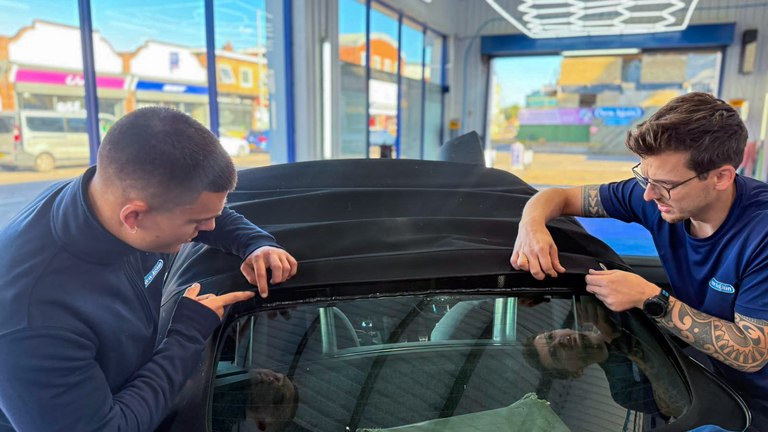
Matt, our workshop manager, and Alfie have been rebonding them back in, one at a time, with a structural adhesive built to handle the heat properly this time. The adhesive needs proper time to cure and be tested before the roof goes back into use. It’s a straightforward fix once you know what you’re looking at.
What we’ve actually seen
Since the hot weather set in we’ve rebonded two dozen convertible rear windows. Twenty-four cars, and no single make behind it, though a couple of patterns stood out once we lined them up. Audis were the biggest group by far: A3, A4, S4 and TT all came through. Three were Chrysler Crossfires, which is a lot for a car that rare.
Just as telling is what we didn’t see. Not one MX-5, not one Mini, the two I’d have put money on. We’re only telling you what actually came through the door.
The one thing every single car had in common was a black hood. All twenty-four. So if your hood is black, it’s worth a look before the rain does the checking for you.
“Every one of them was black. A black hood sits in the sun getting a lot hotter than a lighter one, and that’s what’s cooking the bonding.”
Gary Wray, founder of New Again
But the window is just the bit you can see.
It’s not just convertibles
Every car is full of the same kind of stuff: rubber seals around doors and windows, waterproof membranes tucked behind interior trim, all of it doing an invisible job you never think about. The rear windows are the only part we’ve actually watched let go so far. But rubber, sealant and adhesive all age the same way, and a summer this hot and this dry puts them through far more heat cycling than they were built for. Our honest concern, after doing this since 1987, is that some of it has been pushed closer to the edge than it looks right now.
It’s already showing up on my own car. The weatherstripping around the front windows on my Toyota has shrunk by about a quarter of an inch and slid down out of place. The first sign was wind noise on the motorway; when I went looking for where it was coming from, that shrunken seal was the culprit. Nothing exotic, just an ordinary rubber that the heat has quietly moved.
That one announced itself with the wind noise. Most of what the heat has quietly done won’t. It just waits.
Why the rain is the real test
It waits for the first proper rain. That’s the first time all summer those seals and joints are actually asked to keep water out, and it’s when one that’s quietly given up shows itself. Usually as a damp patch turning up somewhere you weren’t expecting it.
What to check on your own car
Next time it rains hard, go and look. Check the carpets and the footwells. Lift the boot floor and check underneath. If the windows are steaming up more than usual, that’s not nothing. And if you drive a convertible, run your eye around the edge of that rear window.
A damp patch you catch early is a five-minute conversation. A damp patch you don’t catch becomes mould, corrosion, and a bill that keeps growing the longer it sits there.
We’ve already fixed the windows we’ve seen. The question is what the rain finds next, and whether you’ll have already checked before it does.
And I doubt this is a one-off. Summers like this are becoming the rule, not the exception, and heat works on rubber, plastic and glue the same way wherever it finds it. The convertibles are just the first to show it.
Journalists and editors: media contact details, a biography for Gary Wray and further images are in the New Again press room.
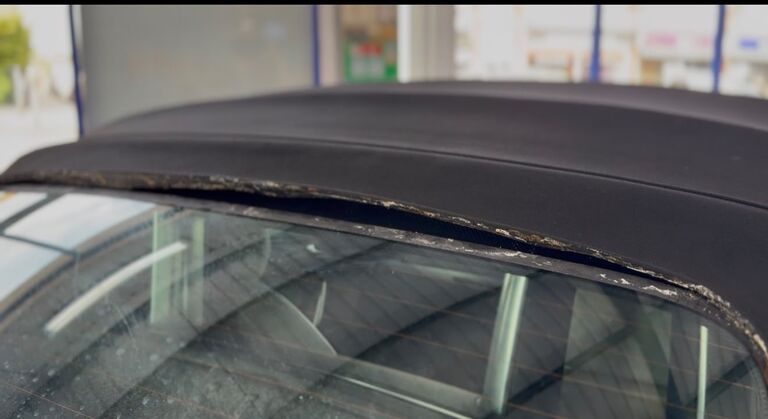
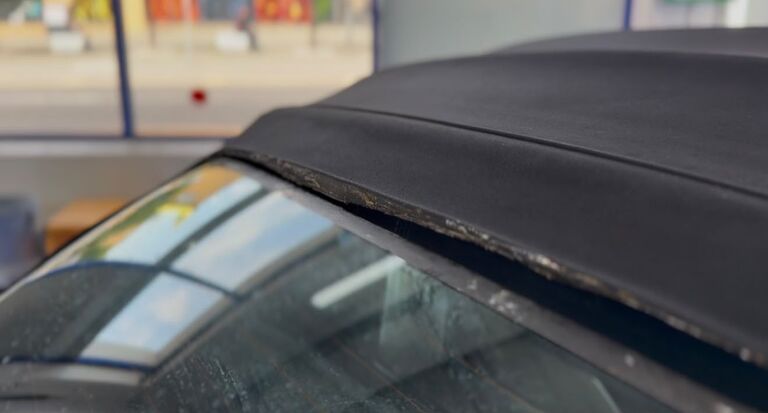
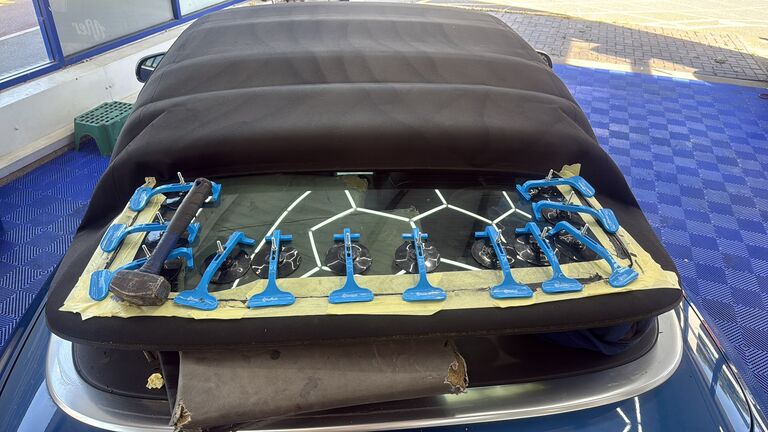
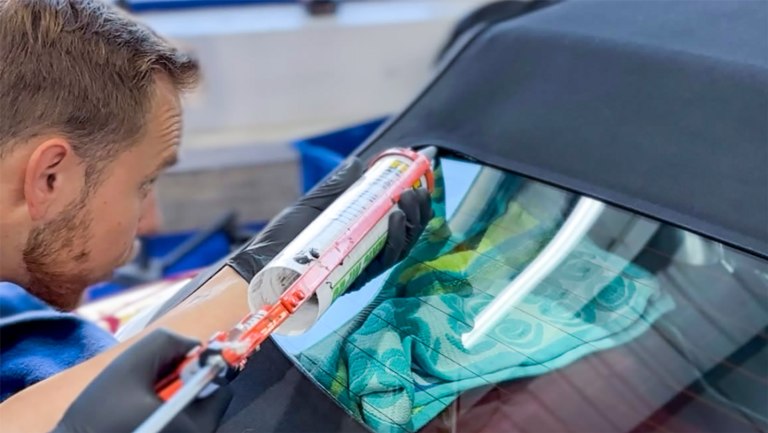
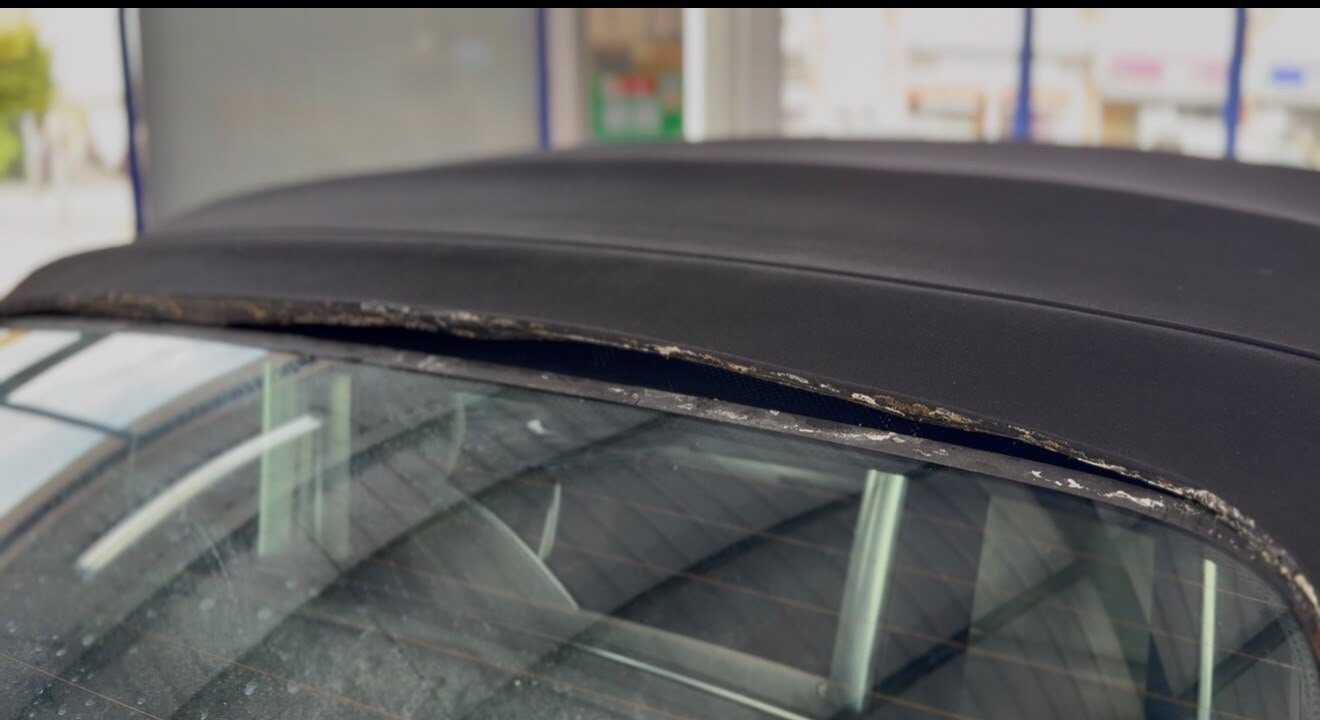
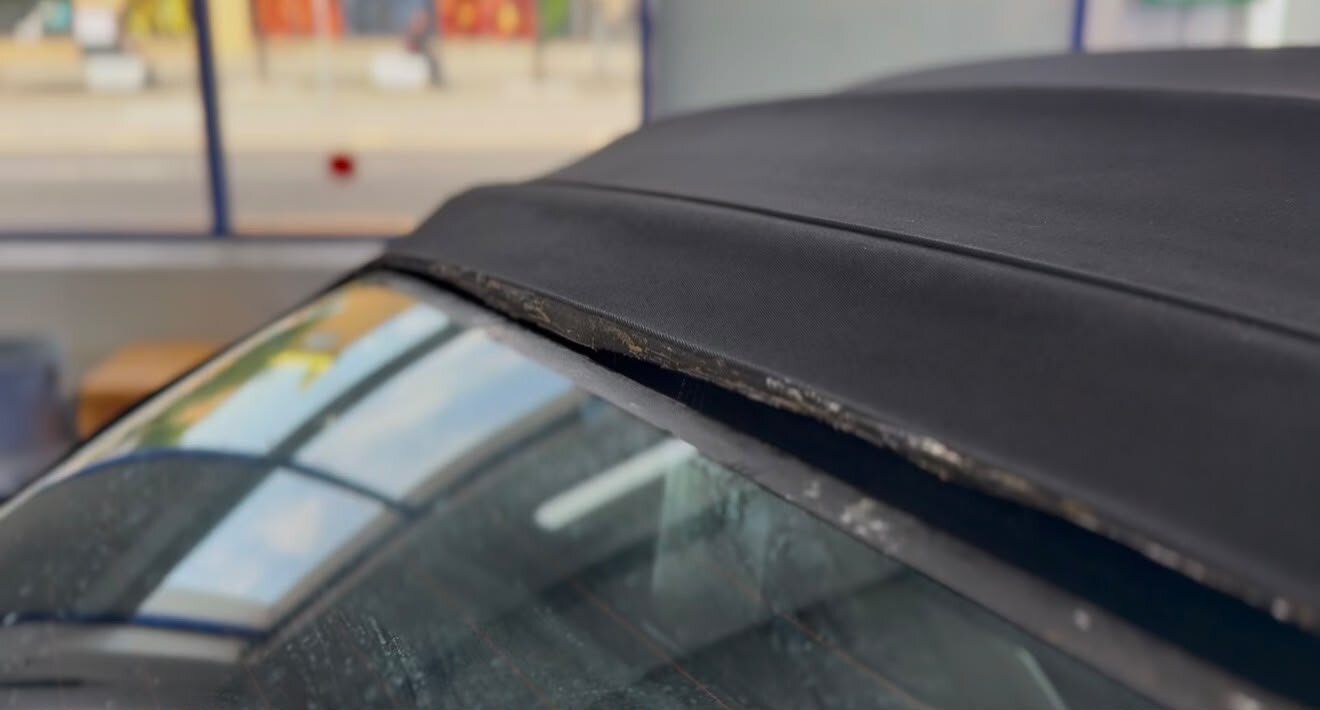
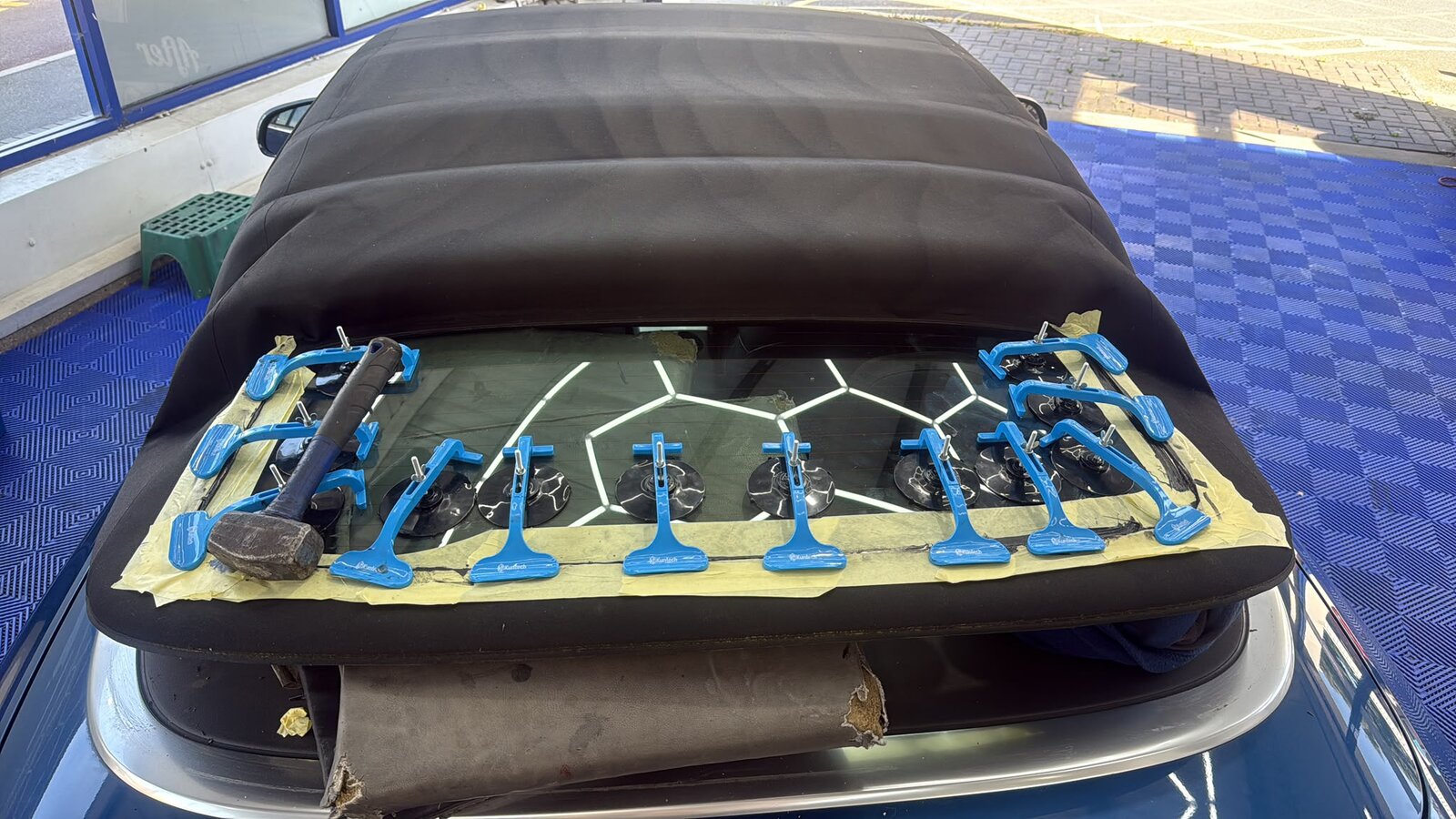
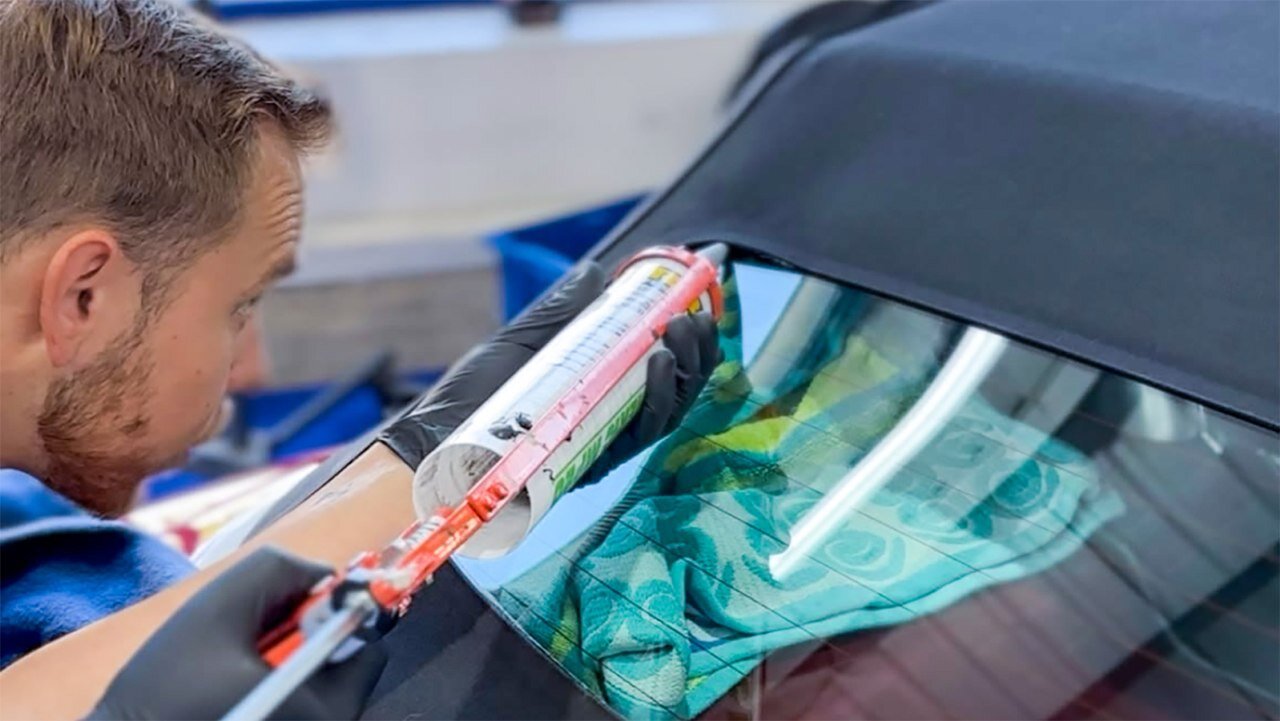
If you’re driving a convertible and want that window looked at before you find out the hard way, here’s how we rebond a convertible rear window.
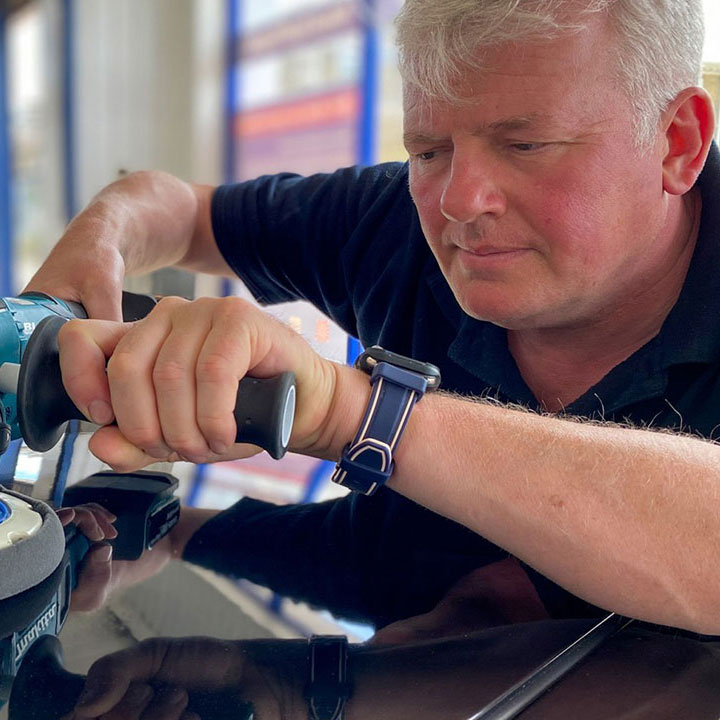
Gary Wray - founder of New Again, with decades in the trade.
One of the most experienced voices in UK specialist car care, with deep knowledge across vehicle restoration, repair and condition.
Related Blogs
Here are some more of our latest #convertible-roof blogs
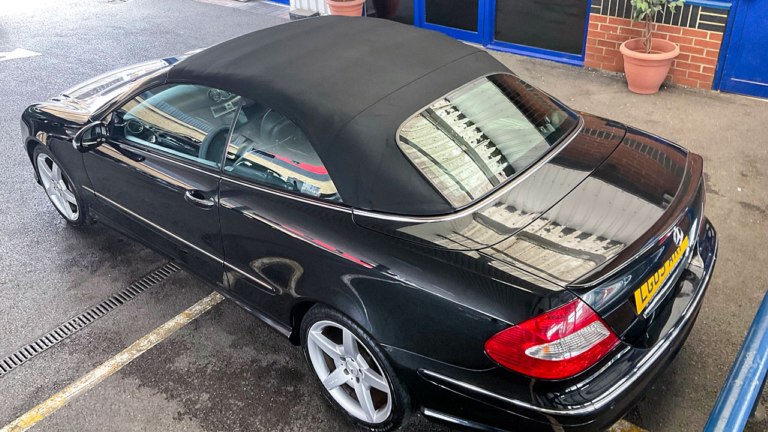
How to look after a convertible roof
Jan
03
2022
Convertible roofs need regular cleaning, conditioning and waterproofing. Here's what the New Again team does to keep soft-tops in shape.
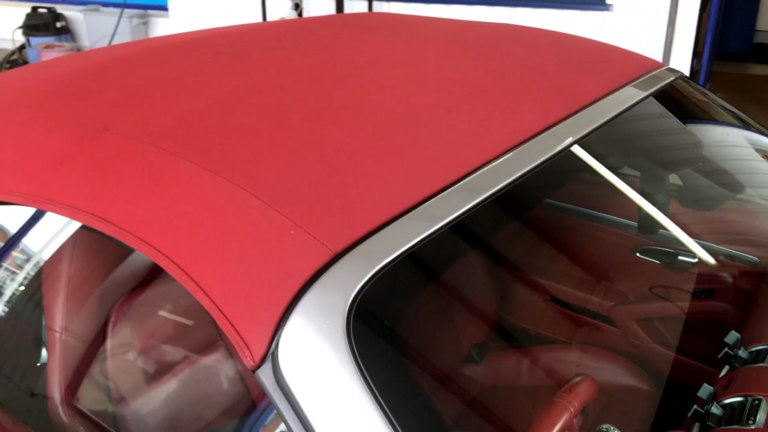
Read ArticleCleaning Convertible Car Roofs
Jul
03
2020
Soft-top roofs attract moss, fade and break down without regular cleaning and reproofing. Here's how to keep your hood in good condition.
Read Article
Share this blog