
Jul
03
2026
Water travels before it pools, so the source is rarely where the damage appears. Here's why leak diagnosis takes time to get right.
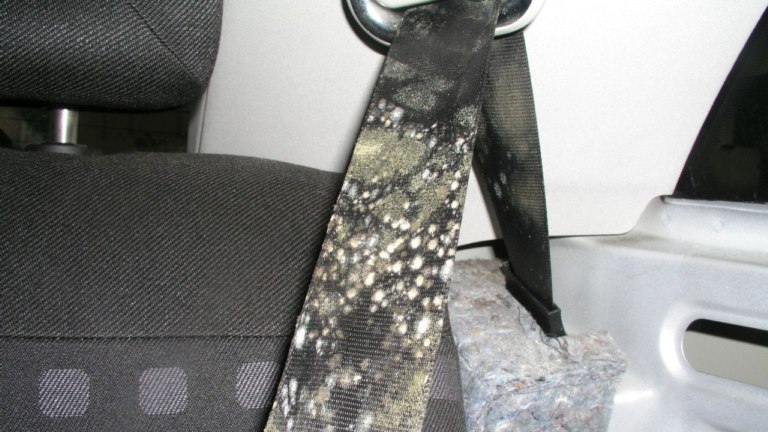
When someone calls us about a water leak, the conversation usually starts with "I've got a wet footwell" or "there's water in the boot." The question they want answered is: where is it coming from? The honest answer is that finding out takes longer than most people expect; there are good reasons for that.
We’ve been finding car water leaks in Chelmsford for nearly 40 years. What follows is what we’ve learned about why it takes the time it takes.
Water never stays where it entered
The first thing to understand is that wet trim, damp carpet and pooling water tell you almost nothing about the entry point. Water finds its way to the lowest point in the car. It travels through cavities, along sill channels, under carpets and behind door cards before it appears anywhere visible. A wet front passenger footwell could trace back to the scuttle under the windscreen, a disconnected sunroof drain pipe, a door membrane failure, a replacement windscreen that was not bonded correctly, or a rear vent gasket. All of which are in completely different parts of the car.
So the symptom points to a destination, not a source. Working backwards from it requires checking the whole car systematically.
The car has to be dry before you can find anything
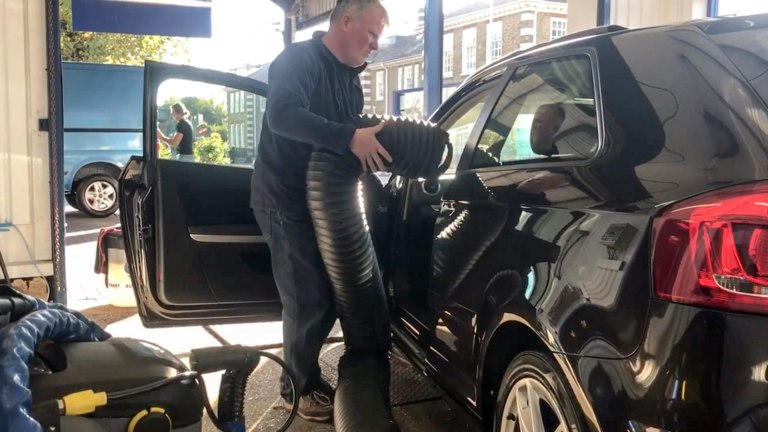
If a car arrives already saturated: carpets wet, foam underlay holding water, trim damp; we can’t find anything until we dry it out first. You can’t observe fresh water tracking if the existing water is still moving. On a heavily wet vehicle that means professional drying equipment and time, not a day with the windows open.
Once the car is dry, we can wet-test it and watch where water first appears. That is the starting point for an actual diagnosis.
Older cars almost always have more than one leak
The rubber seals, membranes and gaskets that manage water in a car were all manufactured and fitted at the same time. They age at the same rate. If the door membrane on the driver's side has perished, the one on the passenger side is at exactly the same stage; it just hasn't failed visibly yet. The same applies to the scuttle seal, the rear vent gaskets and the drainage pipe connectors at each corner of a sunroof.
This is why fixing the first leak we find, drying the car out, and then finding a second leak is not unusual; it's not a sign that the first repair was wrong. It means the second entry point was already weakening before the first was fixed. On a car over ten years old, we routinely find two or three contributing sources in the same investigation.
We flag this at the outset so customers understand the process. It is not a complication we introduce; it is a reality of how cars age.
The inspection finds entry and exit points: not always what lies between them
One of the questions we always ask is whether the car has been in an accident. The reason is that a shunt, even a relatively minor one, can twist the car's shell, open up seams or disturb the bonding on panels that are not obviously damaged. A body shop repairing visible accident damage will not necessarily notice every place where the structure has shifted slightly; and those gaps leak.
If we know there has been an accident, we look more carefully at the areas a standard inspection might not focus on. The complication is that secondhand buyers often do not know their car's full history. A car that "just started leaking" can turn out to have had a shunt two owners ago that was never declared.
Even without an accident history, our inspection tells you where water gets in and where it ends up. The path between those two points often runs inside the car’s structure. We don’t pull the whole car apart in a standard inspection, but we leave with a confirmed entry point and a clear picture of what fixing it will take.
What this means in practice
For you, it means more than one visit is normal. We dry the car, find and fix the first entry point, dry it again, check whether there’s another. That’s the job: it doesn’t mean anything went wrong. Any repairer who guarantees a single-visit fix on a saturated car with no investigation is guessing, not diagnosing.
If you want to understand more about what a professional water leak investigation actually involves, see what does car water leak detection involve? For the specific entry points we check, see what are the most common places water gets into a car? If you’d like us to investigate your leak, see our car water leak diagnosis service.

Danny Argent -- writer and training officer at New Again.
Over 24 years in the industry, 250+ articles, featured in publications such as Fleet News and Fast Car.
Related Blogs
Here are some more of our latest #car-water-leak blogs
Your Car Has Been Quietly Cooking All Summer. You Won't Know What It Cost You Until It Rains.
Aug
17
2026
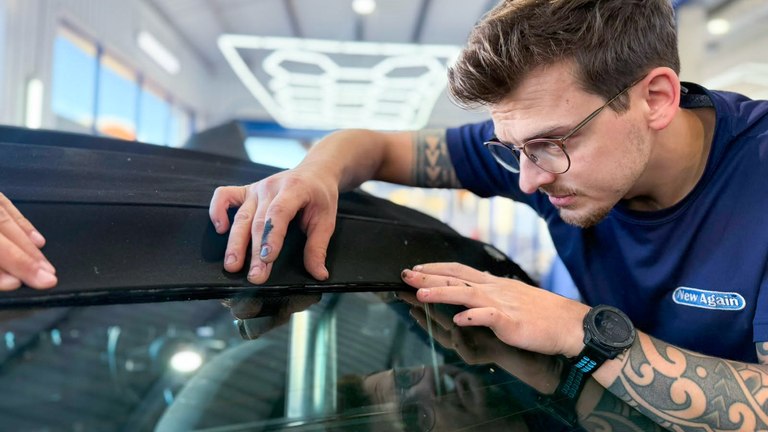
2026's heatwave has been unsticking convertible rear windows from their hoods. We normally get asked to rebond a couple a year, but this summer we've done a couple of dozen. Here's what else the heat may have loosened, and what to check before the rain ...
Read ArticleWhy your car windows are steamed up in the morning & how to fix it
Nov
21
2025
Steamed-up windows every morning usually means damp inside the cabin. The fix is simpler than you think -- here's what causes it and how to stop it.
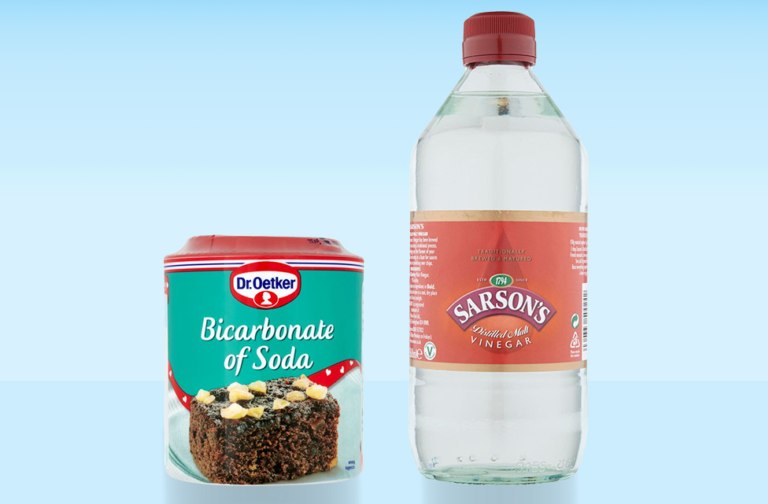
Read ArticleBusting the Myths: Why White Vinegar, and Baking Soda Don’t Really Fix Car Odours
Jun
11
2025
White vinegar and baking soda mask car odours temporarily -- they don't remove them. Here's what actually works, from 38 years of workshop experience.
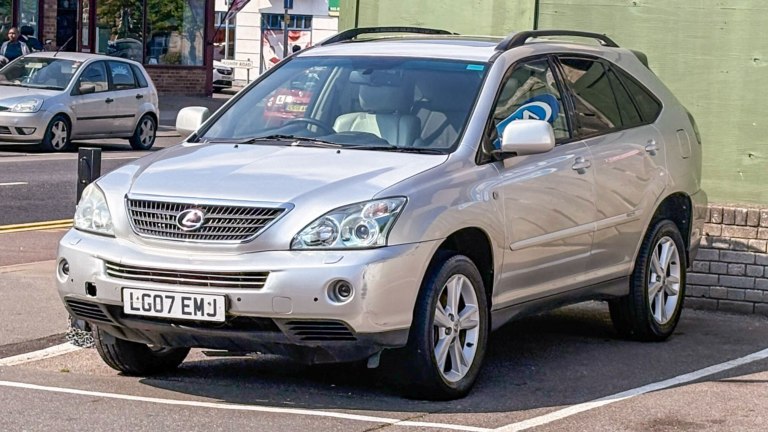
Read ArticleRX 400h Electrical Gremlins? It Might Just Be a Hidden Water Leak
Apr
29
2025
Electrical gremlins on an RX 400h often trace back to a water leak, not a wiring fault. Here's what we look for and where water gets in.
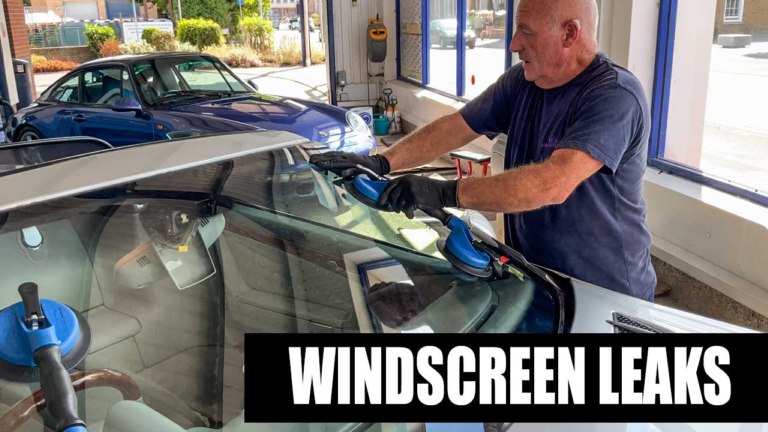
Read ArticleMy replacement windscreen is leaking -- what should you do next?
Mar
21
2025
A leaking windscreen after replacement usually means a poor seal. Here is what to check, and when to push the fitter to redo the job.
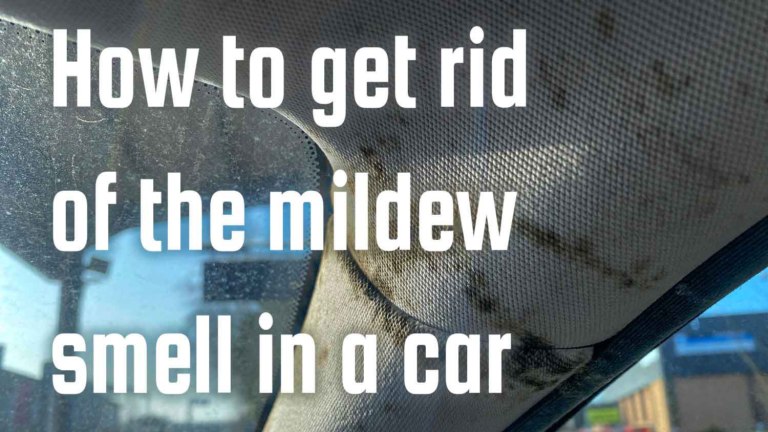
Read Articlehow to get rid of mildew smell in car
Dec
10
2022
Mildew smell in a car means moisture is trapped somewhere. Here's how to find the source, kill the spores, and stop it coming back.
Read ArticleHow to Manage a Leaky Car | Complete Guide
Nov
28
2022
Waiting on a repair? Here's how to manage a car water leak in the meantime -- stop damp spreading and protect the interior until you get it fixed.
Read ArticleHow is water leaking into my car?
Nov
01
2021
Cars have hundreds of holes -- seals, drains, and joins all fail over time. Here are the 10 leak sources we find most often in Chelmsford.
Read ArticleWhat to do if you find water in your car
Oct
19
2020
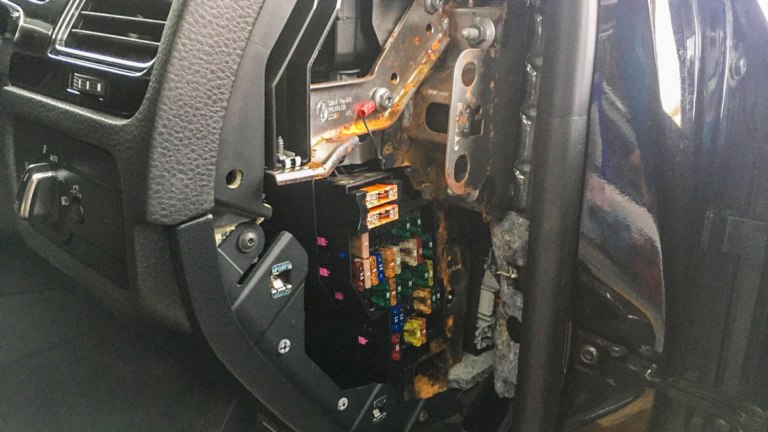
Found water in your car? We cover the common entry points -- sunroof drains, door membranes, rear lights -- and what to check first.
Read ArticleWet Carpets, Damp Footwells and Why Turning the Heating On Won't Help
Aug
23
2019
Wet carpets and damp footwells point to a water ingress problem -- not a ventilation one. Turning the heating on won't dry it out. Here's why.
Read Article
Share this blog