

Jul
01
2019
Updated July 2026Leasing looks simple until the car goes back. Here's the real reason people choose it, and the handback numbers nobody explains upfront.
Act one: why lease in the first place
The pitch is genuinely straightforward. You're paying for the car's depreciation while you drive it, not the full price of owning it, so the monthly figure is lower than buying on finance. The deposit's smaller too, and every three years or so you're into something newer rather than watching a car you own slide in value. None of that's a trick. It's just a different way of paying for the same thing.
What we notice from the workshop side is simpler than any of that: almost nobody who leases actually knows what condition their car is in day to day. We'd estimate maybe one customer in a thousand has genuinely cleaned and inspected their own car closely enough to know. Everyone else finds out at the worst possible moment, which is act two.
Act two: the bill nobody saw coming
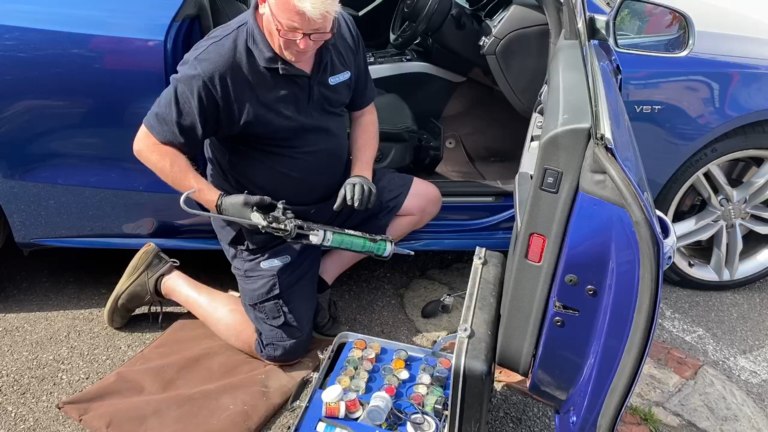
We inspect cars before they go back to the lease company, and it's rare to find nothing. Six or seven small issues is typical. We've found twenty on a single car. None of this makes someone a bad owner, it's just what three years of normal driving does to a car nobody was specifically checking.
The bit that actually catches people out isn't the damage, it's how it gets priced. A lease company isn't billing you for a repair, it's billing you for what the damage knocks off the car's resale value at auction, and that's usually two to three times what the actual fix would cost. We've seen a bird-etched bonnet assessed at £250-£350 as a repair-and-repaint recharge, sorted for £38 with a buff and touch-in. A door scratch just over the threshold, quoted at £150-£275, fixed for under £40. A scuffed alloy wheel used to get recharged around £120; these days it's typically £40-£80, because the industry itself moved to cheaper trade-price touch-ins rather than full refurbishment, which is exactly why refurbishing a wheel yourself before handback can leave you worse off, not better.
Some recharges are the other way round entirely. A missing locking wheel nut key runs about £500. A cracked moonroof, around £1,000. A carpet worn through by a stiletto heel, around £400, when the actual repair is a fraction of that.
The worst version of this we've heard is a customer's neighbour who got a £1,400 invoice two weeks before Christmas, with zero warning. By the time it landed, the car was already sold at auction. There was nothing left to inspect, nothing to dispute, just the contract he'd signed years earlier saying he'd accept the lease company's assessment. That's the whole reason timing matters here, not the damage itself, the fact that once the car's gone, so is your ability to argue about it.
Book the inspection while you still can
BVRLA's own guidance says start thinking about handback ten to twelve weeks out. Our own advice is narrower: book an inspection with us four to six weeks before the car goes back, which leaves enough time for the inspection itself plus any smart repairs it throws up, without leaving it so early that new damage happens in the meantime.
One thing worth knowing before you spend a penny: most lease companies won't charge for damage under a certain amount, and the goal isn't a showroom-perfect car, it's a car that sits just under that line. Chasing perfection past that point is money spent for no reason.
Book an inspection with us and we'll tell you honestly what's worth fixing and what isn't, backed by guaranteed smart repair work if anything needs sorting before it goes back.

Danny Argent, writer and training officer at New Again.
Over 24 years in the industry, 250+ articles, featured in publications such as Fleet News and Fast Car.
Related Blogs
Here are some more of our latest #end-of-lease blogs
Leather Seat and Carpet Damage: What We Actually Fix Before a Lease Return
Dec
08
2020
A scuffed bolster, a sliced seat, a hole in the carpet. Here's how we actually tell what each one needs, and why it matters most before a lease car goes back.
Read ArticleReturning your Lease car : Is the Lease Company is out to get you?

Sep
09
2019
Lease recharges feel unfair -- sometimes they are. Here's how to tell a genuine damage claim from an inflated bill before you hand the car back.
Read ArticleHow to avoid unexpected costs when returning your lease car
Aug
27
2019
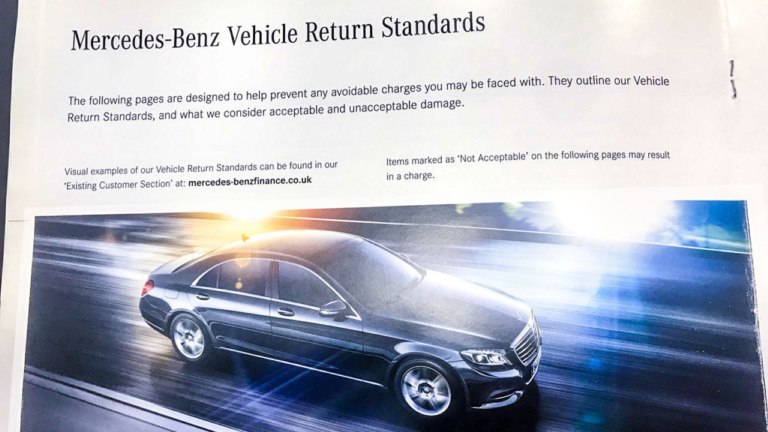
Lease recharge bills can run to thousands. Workshop advice on the wear and tear items that catch drivers out -- and what to fix before handback.
Read Article
Share this blog