Toyota Yaris 2011 | Water Leak Detection

Video transcript

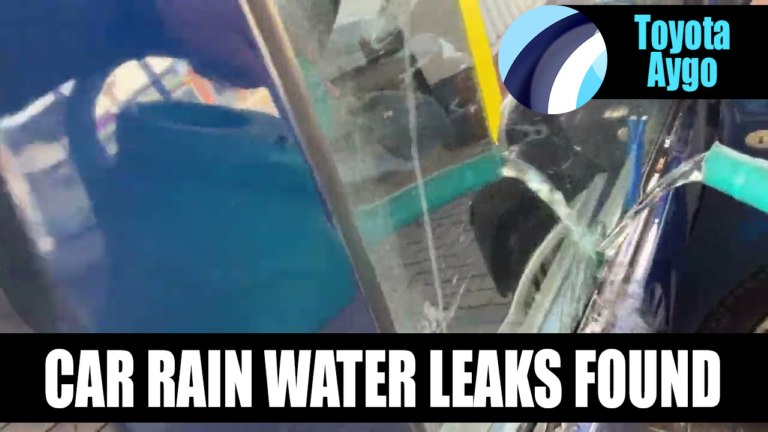
0:00 Okay, today we have a Toyota Yaris 2011 in for our water leak procedures. So we're just going to show you what we've found so far. And if we go on to the back bumper, I've put the hose up behind to simulate it's out in the rain. And if we go on the inside, I've got my flexi camera going down this section here, and we can see on the back there that these are the air vents. And we can see very closely there is water coming through the air vents and then dripping off the bottom

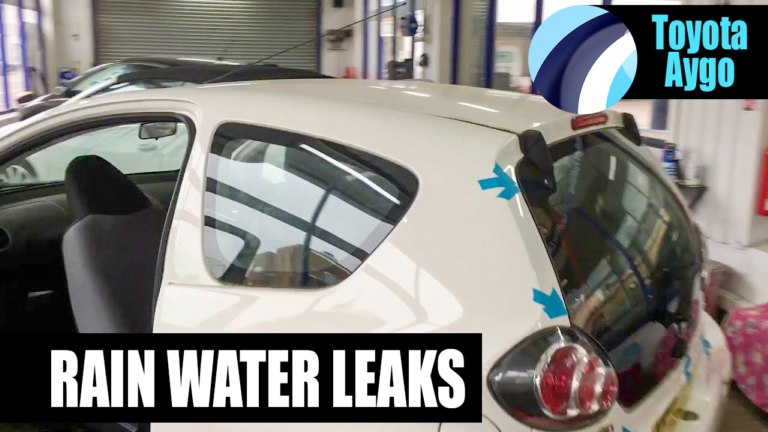
0:29 here. And so there we go, so we can see it all coming through there. And so that would be obviously one leak there. And the next leak we're going to focus on this back light, and if I just quickly get those out, so this one here. What we're going to do is we're going to pour a bit of water on the top of the light to simulate this out in the rain. And if we go on the inside here, we can see on the bottom of the light, we can see that it's coming in very quickly. So if I just lift

1:16 this little bit up here so we can see, if I get told, we can see that it's weeping into the bottom of that light. And then what it's then doing is it's then collecting down in this area here, so this is a water. And then what it will then do is it will use that as a guide and then follow its way to the front of car. And if we now focus on this bit up here, and we can see that this is not in the car properly. And what that's going to simulate is if we just quickly get

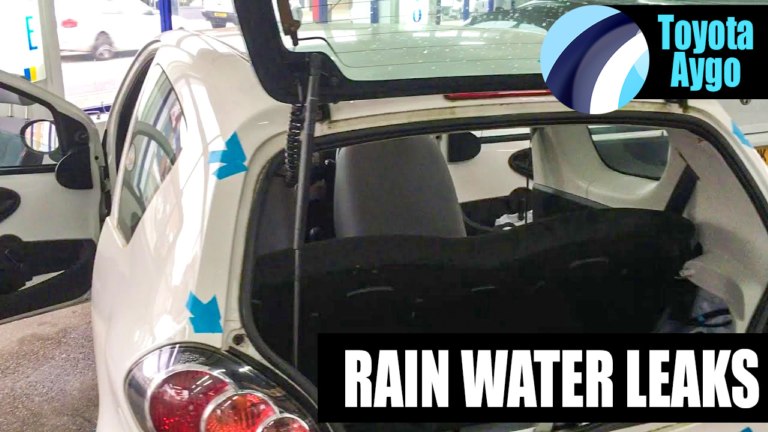
1:49 our torch in here a second. We've got our torch up on the headlining, and what we're going to do is we're going to put a bit of water on top of here. And there we go, so we can see it coming straight through, and it's sitting on top of the head line in there. And so that would correspond with coming back in down into the boot. And the only problem is with this one here as well, and we have noticed that the rear tailgate rubber doesn't seem to be stuck to the car, so

2:20 it comes off very easy, and we can see that there's dirt inside the rubber. So what it would do is it would get into the rubber here, up this, up here, and then it would then follow it around inside the rubber. And then what it would do is it would tee off into the car at certain points, ie like here. So and then it would tee off and go inside the car. And the only other thing is if we go into the driver's footwell on the rear and we give it a squeeze, we can see that it's

2:48 heavily soaked, and it's soaked on the front as well. And so we can see this underlay here, give that a squeeze, and we've got loads of water coming out of there. The only problem is it has travelled all the way down to all four footwells. And so passenger rear footwell, if I put my hand under there and give bit of squeeze, so we can see that that's wet as well. And also on the passenger front, if we just lift this bit of carpet up here and put our hand underneath and

3:21 give the underlayer squeeze, so we've got water there as well. So all four foot wells are wet. And so there we go, that's what we found on the Toyota Yaris.

Aug
10
2021

The Toyota Yaris is a popular little car, and for good reason. We love them, however, they aren't without their problems, as we can see on this video. The leaks found on this Yaris are all fairly common issues.

While they are in themselves, no big deal, they have led to a situation where all four footwells are soaked. The seals around the lights can be easily replaced, although most people will take the cheaper option of putting on a sealant, which is probably what we would do with the rubber boot that surround the cable at the top of the tailgate. Likewise, we can put a rubber restorer on the rubber boot-surround and stick it back into place.

However, if you look at the video carefully, you'll see there is quite a lot of carpet and underlay for a cheap little car. There's less of it than you would find on a family saloon, but still enough to hold quite a lot of water. That top layer of carpet isn't particularly porous in many cars because of the way it's moulded. The water got under there by seeping underneath. So once the leaks have stopped, even though no more water is getting in, there will be a load of water trapped in that inch think underlay. You would think this would probably just dry out in a few weeks, but it isn't actually that easy for it to evaporate. It is important to lift those carpets up, suck out as much water as you can, and let it all dry before putting the car back together. 

If you don't, it will stay wet for months, the whole car will be damp, the moisture will combine with traces of dirt, and mould and bacteria will thrive, causing you a health hazard. It's an almost perfect environment for growing nasty stuff that's bad for your lungs. We don't like to scare our customers and most of our marketing has a positive spin, however, a car like this is often "mum's car". It's the kind of vehicle which does the school run, or you do your shopping in. So we do encourage you to take mould and bacteria seriously. We do!

We disinfect the car before starting work, we thoroughly dry the cars we have repaired, and in case of serious mould issues, we are fully equipped for environmental decontamination of biohazards.


New Again customer reviewsNew Again, rated 4.7 on Google Reviews

Our specialist water leak team is on hand: call us and we can usually give you a steer within minutes.

Advice is freeAdvice is free

More about our car water leak service

This video has been tagged in

#ToyotaLeaks #Toyota

Share this video

Related Videos

Here are some more of our latest #Toyota water leak found videos