
Jul
22
2020
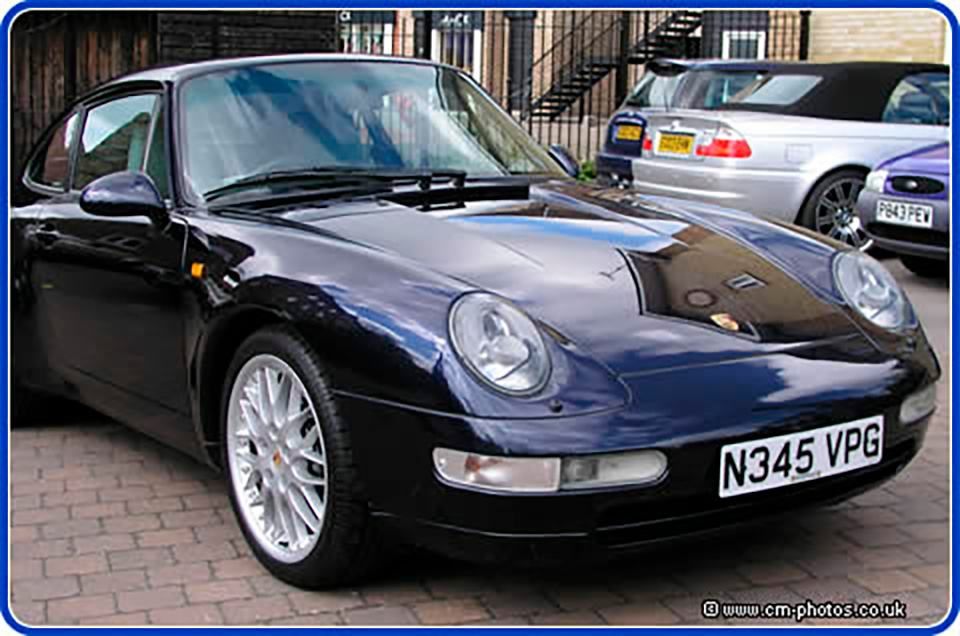
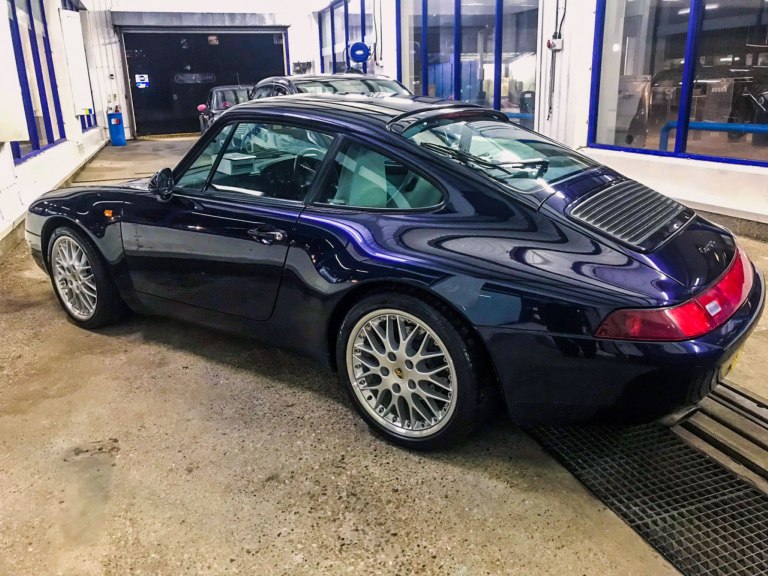
Rear rust, serious bodywork repairs, and a full detail on a 2005-2019 Porsche Carrera -- Modern Car Restoration at our Chelmsford workshop.
This car has been detailed, restored and polished to within an inch of its life by us a number of times over the years, the first time was back in 2005.
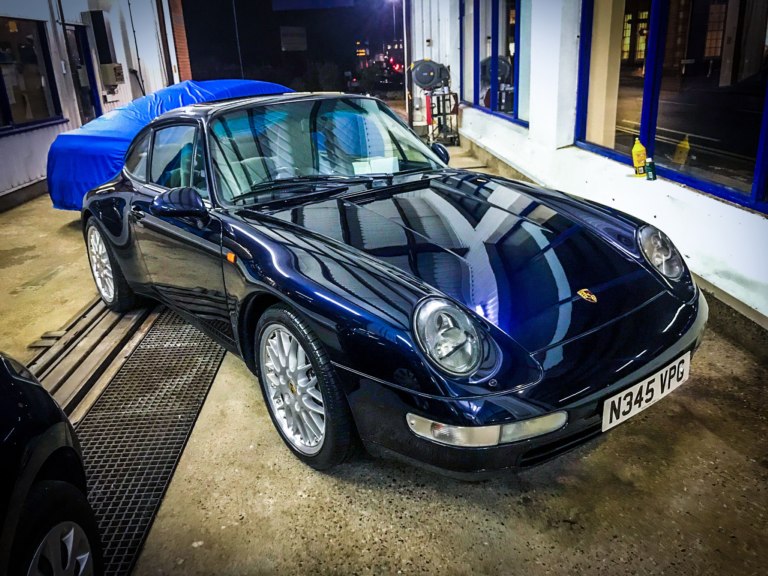
It was around this time that we decided that we really should tell the world what it is we do here, and so we hired a photographer to get some nice photos before and after, so we could put them on our new website.
Over the years, that old website got millions of unique views, with the Porsche restoration article getting hundreds of thousand of views. I remember one day (before the recession) I walked into our workshop and saw seven Porsches all lined up ready to be worked on or finished and ready to go. We detailed a lot of other types of cars as well, but the Porsche article attracted a hell of a lot of Porsches!
Back in 2005, we broke the article up into ten pages because there were a lot of pictures and some people were still on dial-up. So by today's standards, these photos are low quality and small. Unfortunately, the computer that had the original photos is long gone, but I think it's worth re-posting the article here because it's a story which isn't finished yet... I have a feeling we may well see this Porsche back here again in a more few years.
Porsche Restoration Project
First Published 2/8/2005
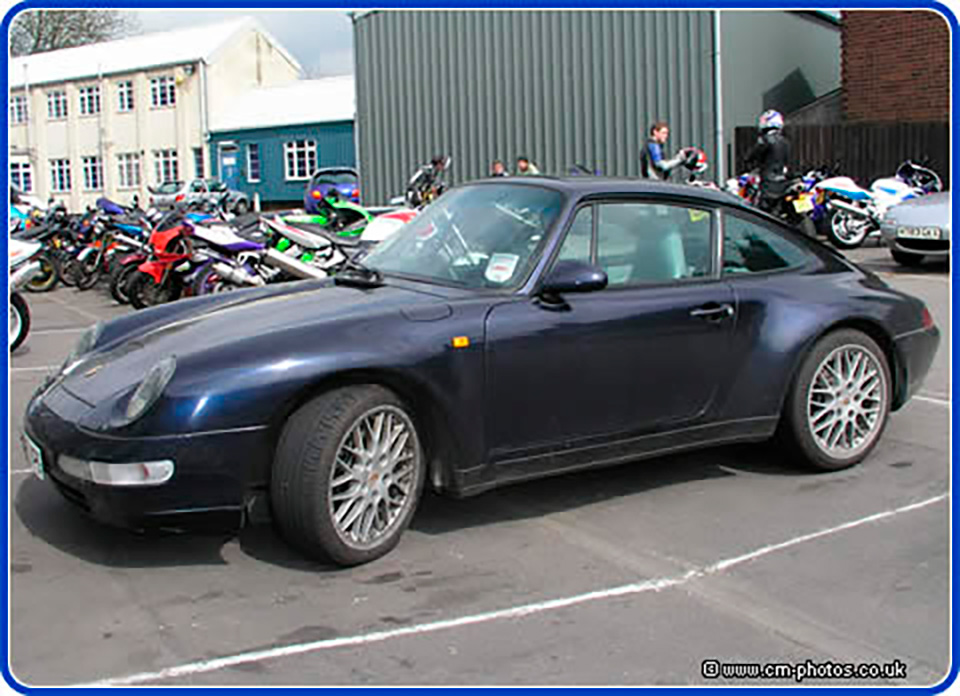
A little while ago a gentleman brought a Porsche to us - he had borrowed it from a friend and by way of a thank you, wanted to get the wheels refurbished and also expressed interest in a clean. (We could all do with friends like that!)
So, we carried out a full appraisal of the vehicle with the customer, we do this with every car that is in for detailing. In an appraisal, we point out all the areas which we feel require attention; we tell the customer what we are capable of and make recommendations based on the circumstances of the vehicle and customer (this is why we ask you lots of questions when you phone and when you get here).
This particular vehicle suffered from problems which are common on Porsches and a couple of other sports car makes.
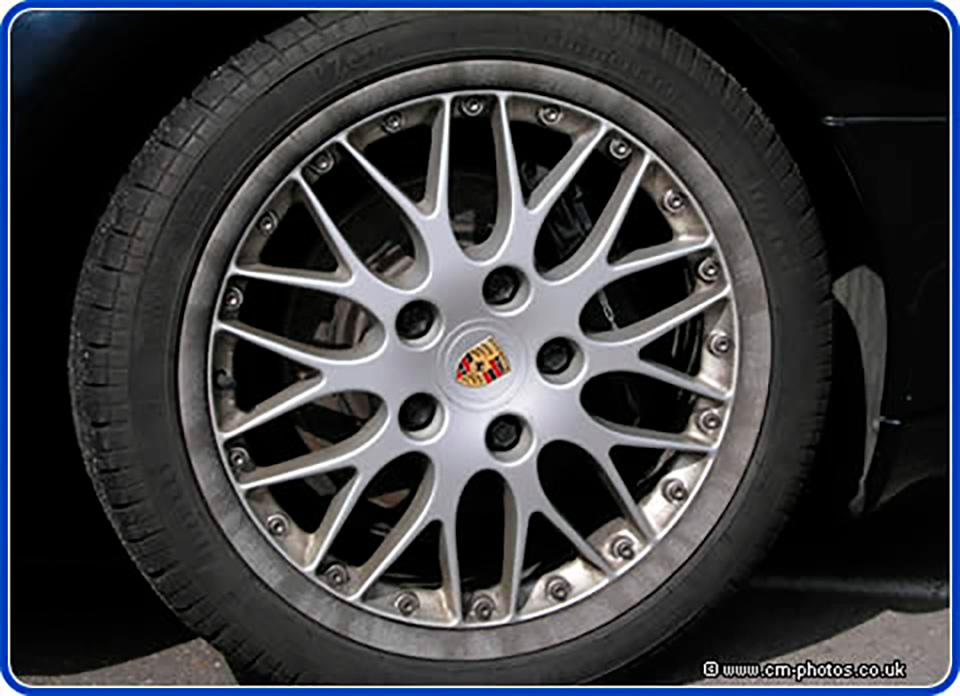
Firstly, the polished metal split rim of the wheels have become corroded - this was, of course, why the customer brought the car to us in the first place. This is very common on Porsches and BMW and something we are well used to dealing with.
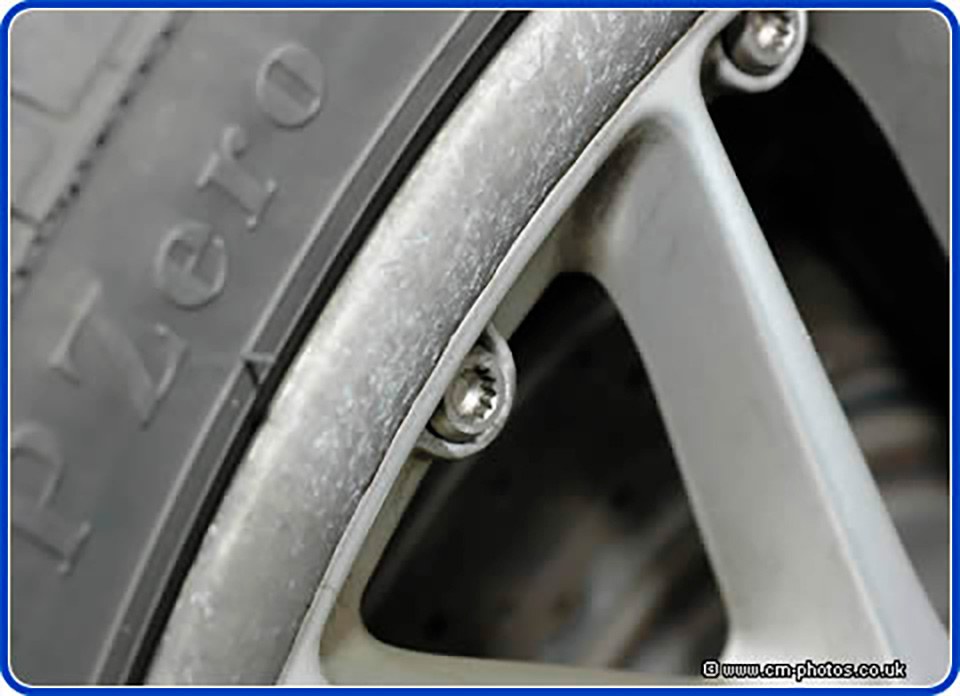
This rim was once polished and lacquered, but this kind of finish seldom seems to last more than 18 months before corrosion sets in. On this wheel, the corrosion is complete, and the lacquer has completely peeled away.
Paintwork Problems
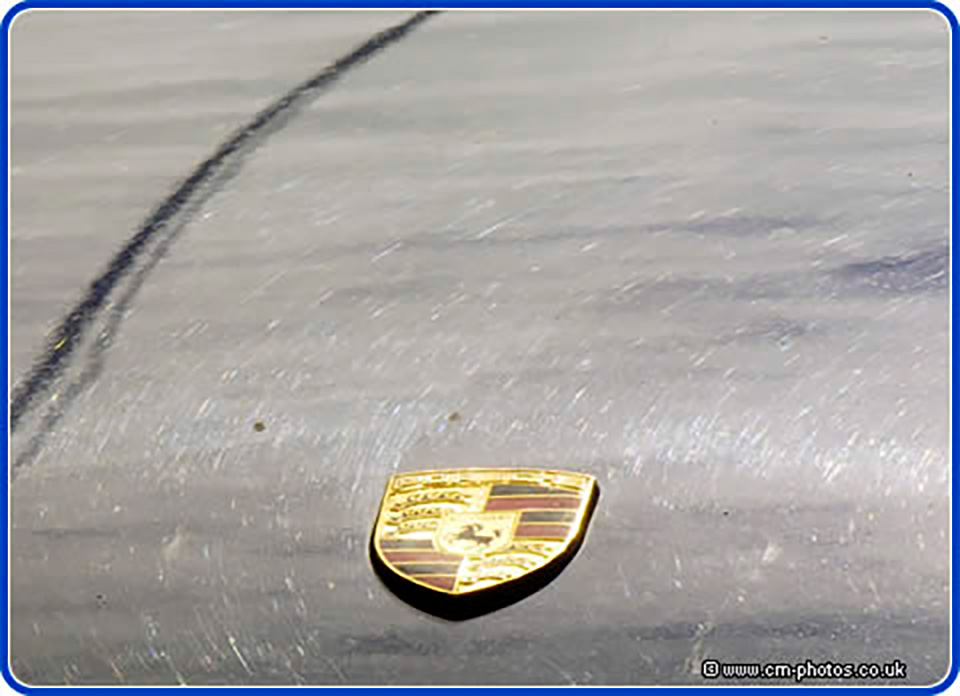
The other problem with this Porsche was the paintwork. It seems that Porsche and a few other manufacturers use a different paint to most other car manufactures, they do this so that they can use colours which are rich, deep and bright. The drawback is that this paint is very soft - it scratches very, very easily. Great care has to be taken to protect it especially when washing the car.
The car had been put through a car wash on many occasions, which is bad for any car, the paintwork on Porsches is so soft that it's very hard not to scratch it when carrying out washing, waxing and polishing.. Even sponges and cleaning cloths leave marks unless they are of the highest quality. So, the hard plastic brushes of a car wash will make scratches which will catch the light as seen in the photo above. This is often called spider-webs or cob-webs for obvious reasons.
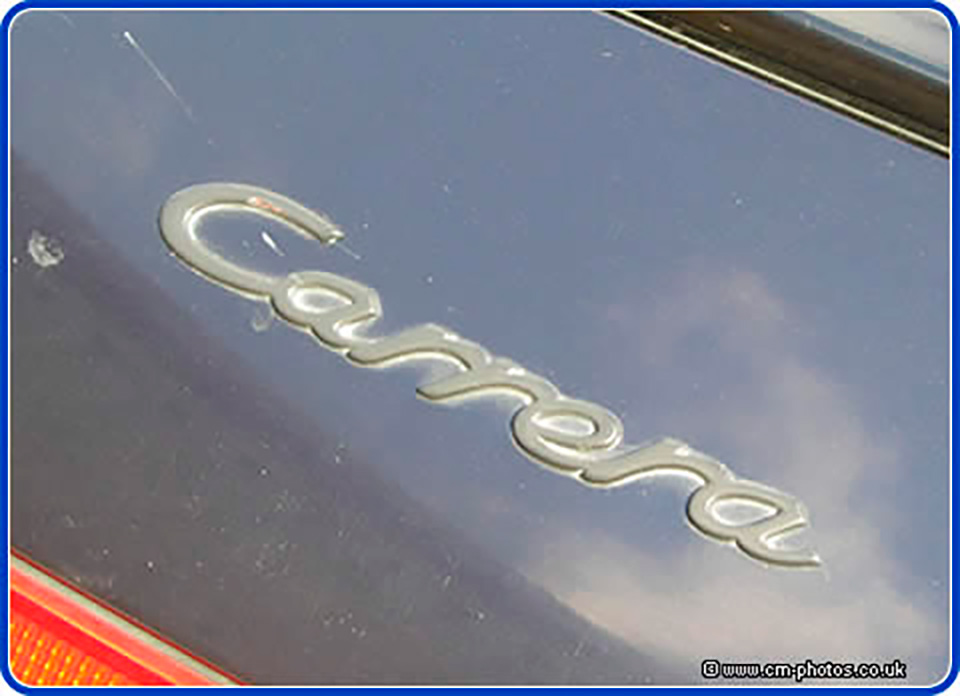
The paintwork had also gone without a protective coat of wax or sealant for a time, and this had caused the paintwork to oxidize. Essentially, the topmost surface of the paint had corroded, leaving it looking flat and dull, as can be seen in the photo right. The special paint that is supposed to look deep and bright looks anything but!
We informed the customer that this problem with the paintwork was not too hard to correct. We also advised having a paint sealant applied to help protect the paintwork and so avoid the car getting in this state again.
Armed with the relevant information, a number of options and our price list, the customer went away to think about it - and no doubt discuss the matter with the owner of the car. When you own a beautiful car like this, you obviously want to keep it looking beautiful - to do otherwise kind of defeats the point. Many of us who aspire to owning such a work of automotive art may think that we would love and cherish such a vehicle. But the reality is that car like this are earned through hard work, meaning that the owners of prestige vehicles are people with very little time for maintaining them.
Porsche Bath
Our customer very wisely decided to have his Porsche restored to its former glory, and as he was away on business, decided to leave the car with us for a number of days. Meanwhile, we decided that this particular vehicle would serve as a very good example of the work we can do and would make an excellent subject of an article. But as we hadn't yet taken delivery of our new camera, and our old one was pretty dreadful at capturing things like swirl marks, we called in Martin from CM-Photography, who very kindly provided most of the photos for this article. This is of course why the photos are a bit better than normal!
Our first task was to get the car in and give it a good wash with a hot pressure washer. Because the car had mostly been washed in the past with an automated car wash, there were all sorts of build up around the badges and window rubbers that the car-wash bristles had failed to remove. Once the car was clean, we could inspect the paintwork properly.
Claying the Paintwork
We found the paintwork to be badly scratched, there was also some fallout, tree sap, bird droppings and bug stains that had etched the paintwork, although none of it was too bad.
Vigorous use of a heavy-duty clay bar was able to remove most of the contaminants. Clay lubricant is actually a light wax and this is why the car looks reasonably shiny in the above photo, but you can clearly see the extent of the scratches.
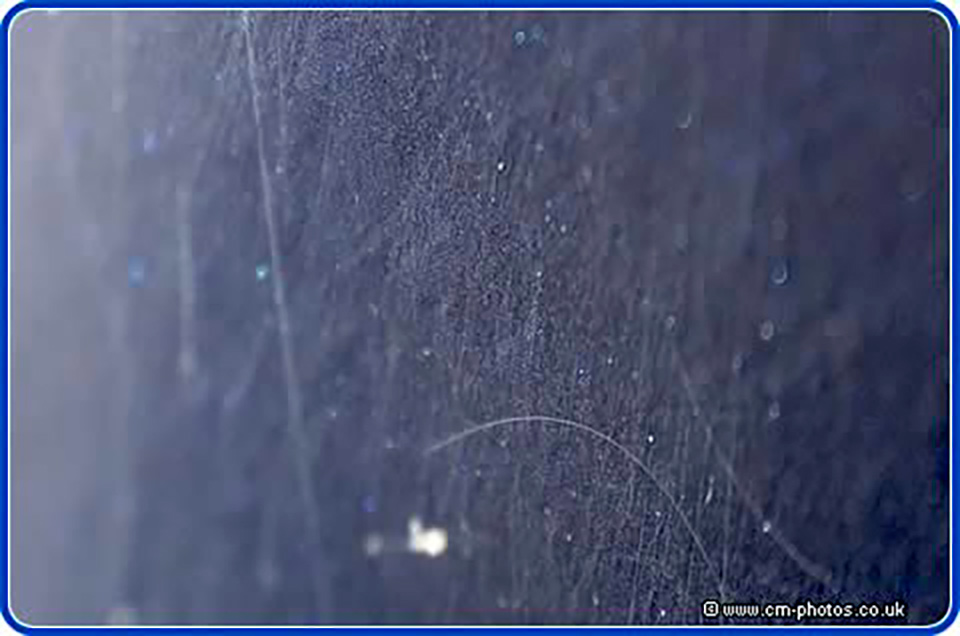
The next stage was to start buffing the car. Unfortunately, we were without a camera and Martin couldn't be around for the whole of the two days that we worked on the car, so there are no pictures of the Paintwork Correction being carried out.
It's the results that count, so I'll let the photos speak for them self...
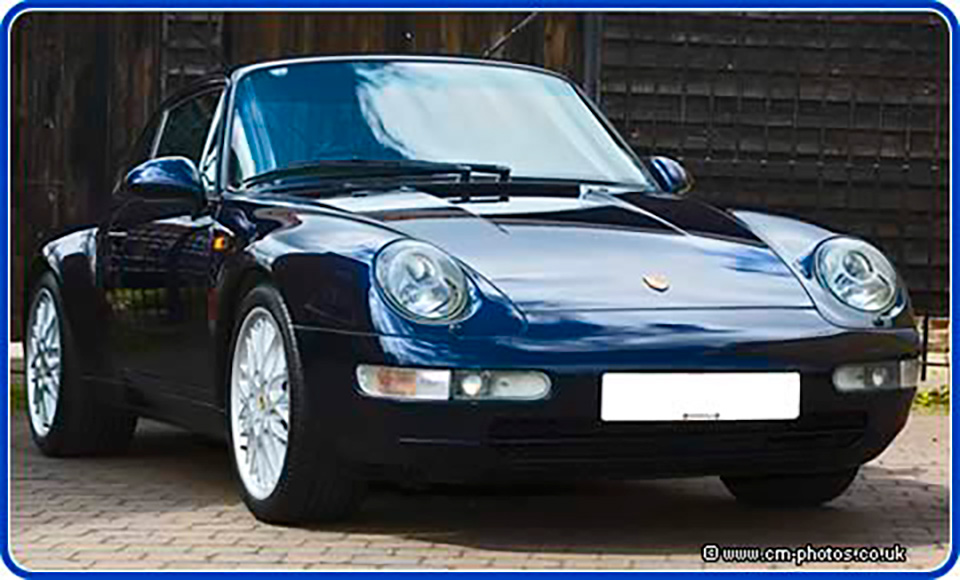
The Porsche 911 after alloy wheel refurbishment and paintwork correction
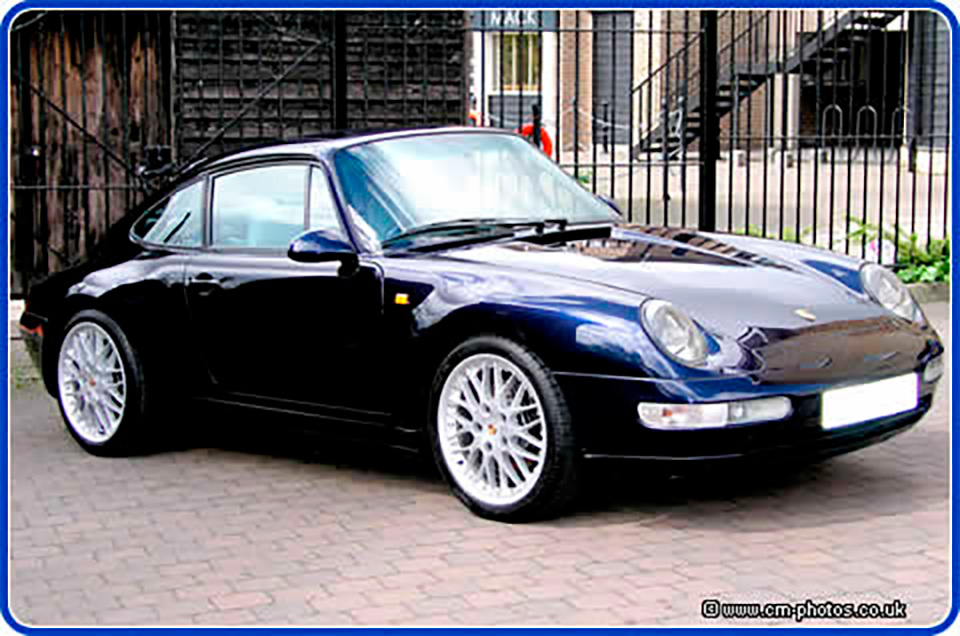
It's hard to believe the transformation... which is why we have before and after shots!
Detail of the Front Wing
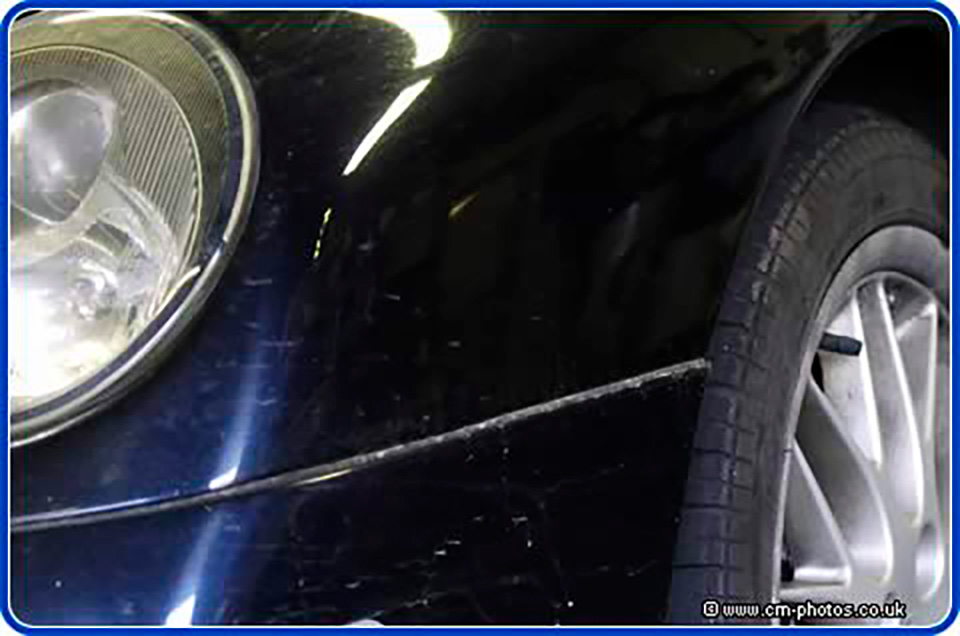
The wing was covered in all sorts of splatter from bugs and streaking where the car-wash bristles (which are like a garden broom) had left streaks of plastic. There was a build up of scale, dirt and old polish in the gaps.
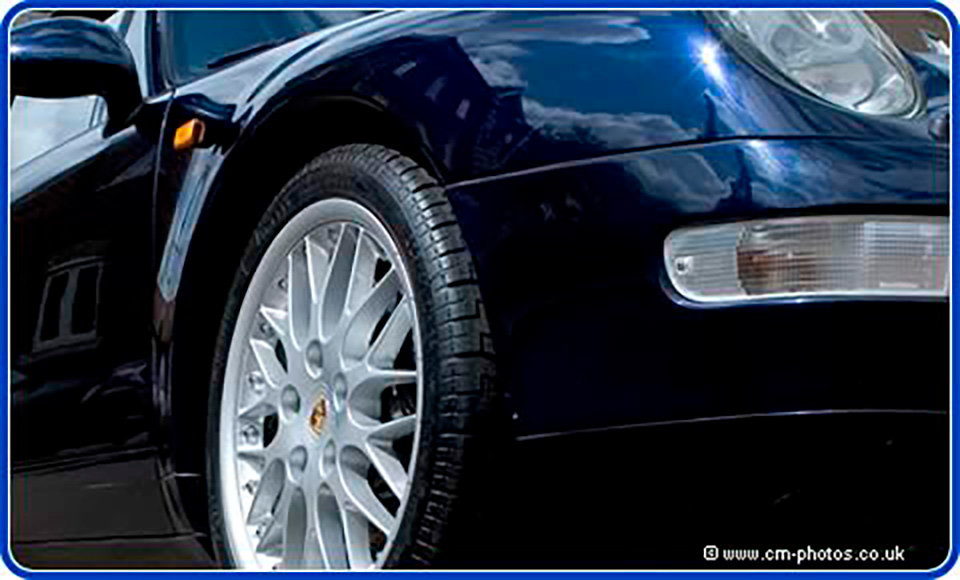
We removed all the crud, making the car as clean as the day it left the showroom. The plastic headlight covers got a polish too.
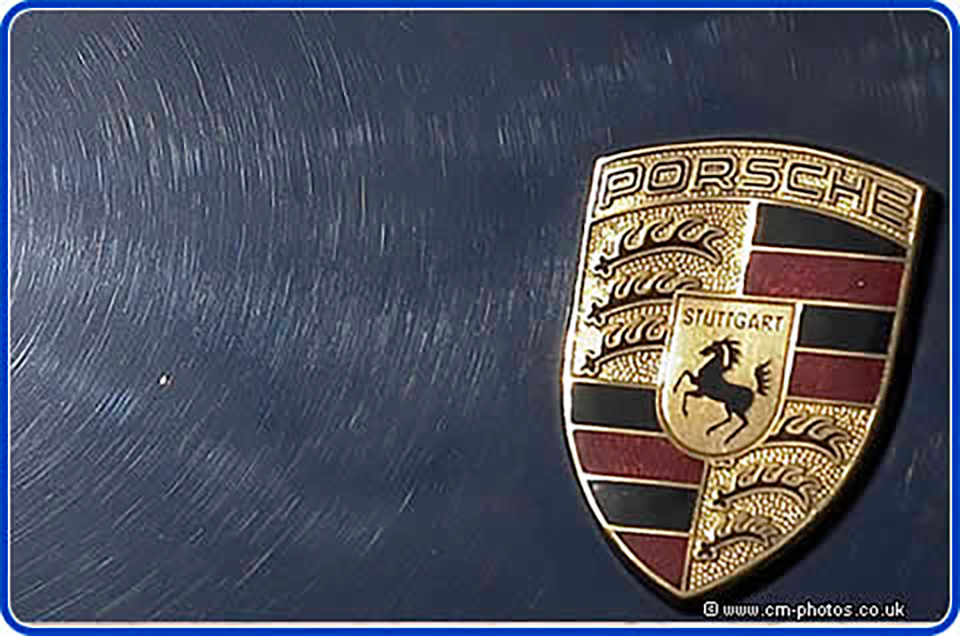
Badge & Bonnet
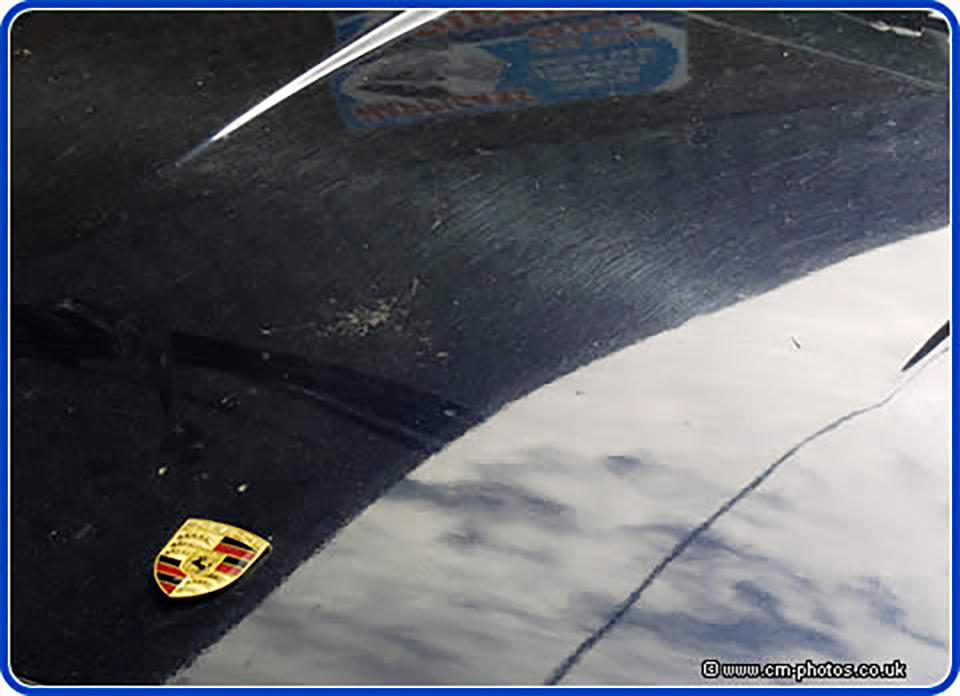
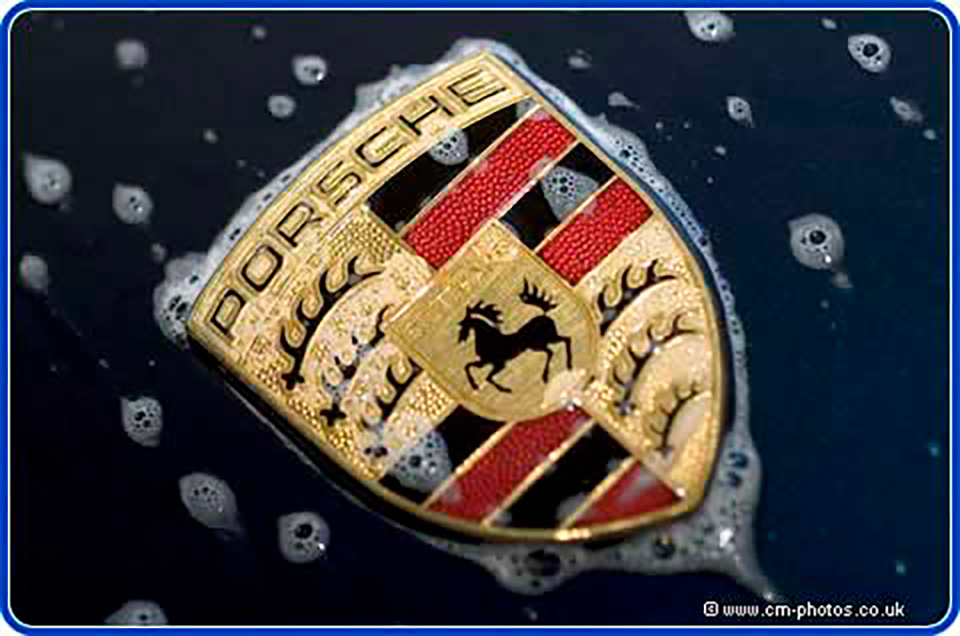
There really was an incredible amount of swirl marks and micro scratches all over this car and took considerable work to remove in areas like around the badge.
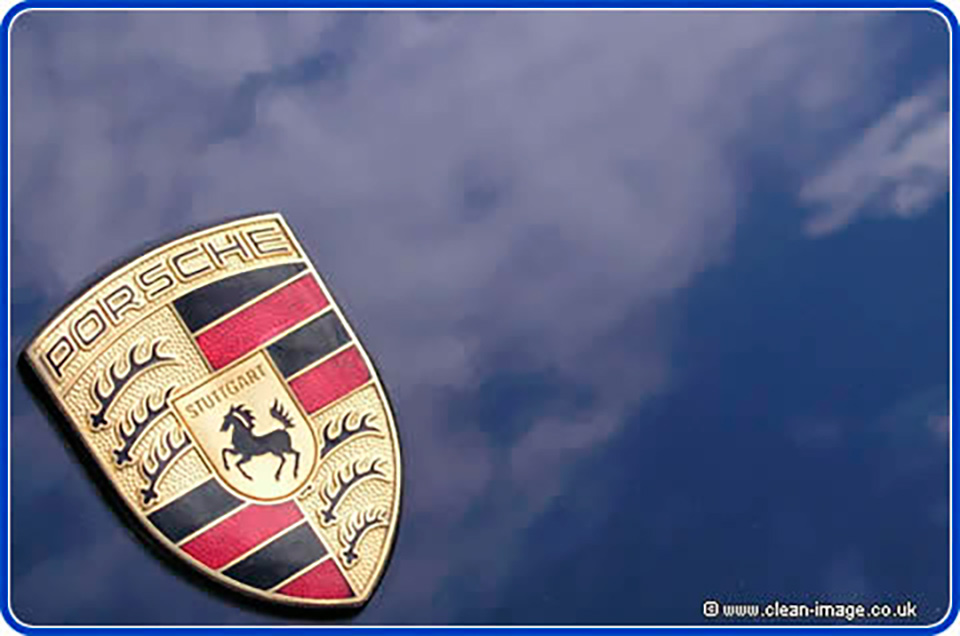
As you can see, this is a massive improvement. Swirl marks and build ups of dirt are gone, making the car look like new again. It's the detail that makes a difference.
Alloy Wheel Refurbishment
Aside from the corroded rim, the whole wheel was tarnished and stained, and the studs were corroded.
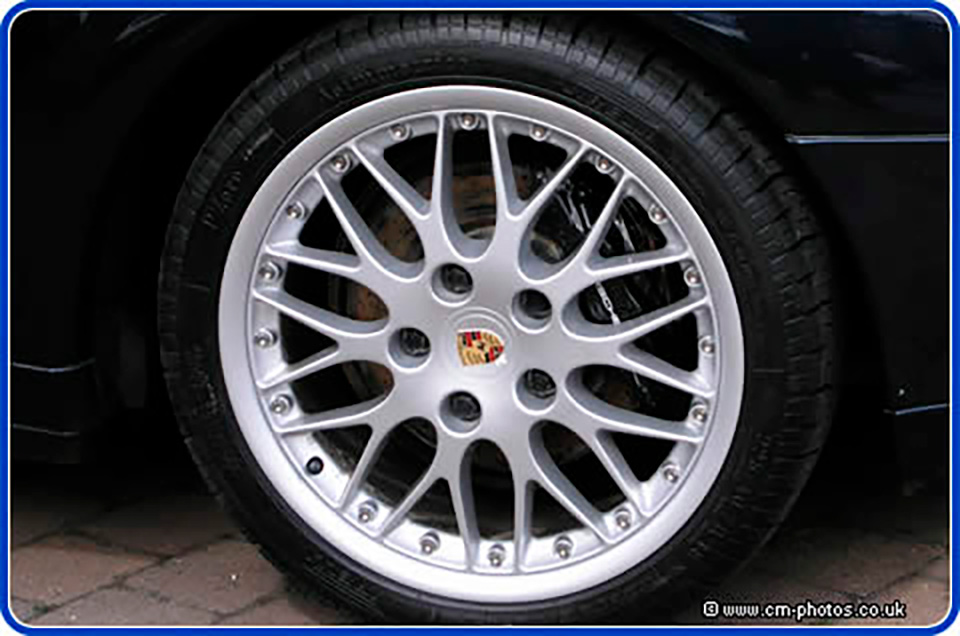
This wheel is a genuine split rim (as opposed to fake ones) and is a little more work to refurbish. In order to restore as original, it would have meant a replacement rim, in all likelihood because they were scuffed in places. However, as mentioned, these lacquered metal rims tend not to last long, so instead it was repainted in bright silver.
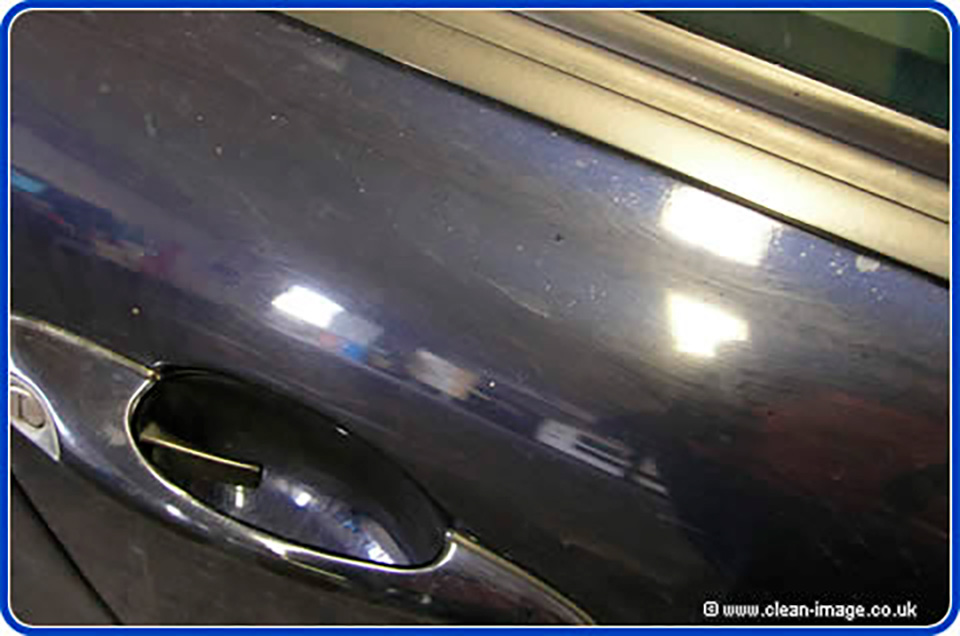
Door Handle Area
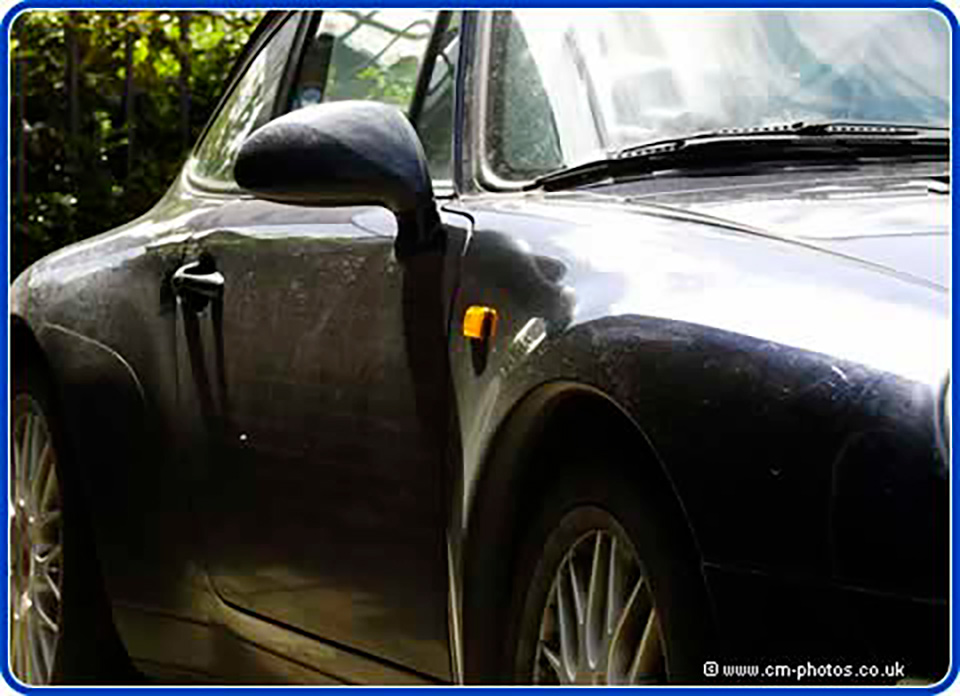
You can see in this picture just how flat the paintwork was. This is caused by the oxidization of a few molecules of the surface, which gives a slightly cloudy grey appearance.
This damage is on the lacquer, as are the scratches. Machine polishing removes a thin sliver of the surface and gets down to the good.
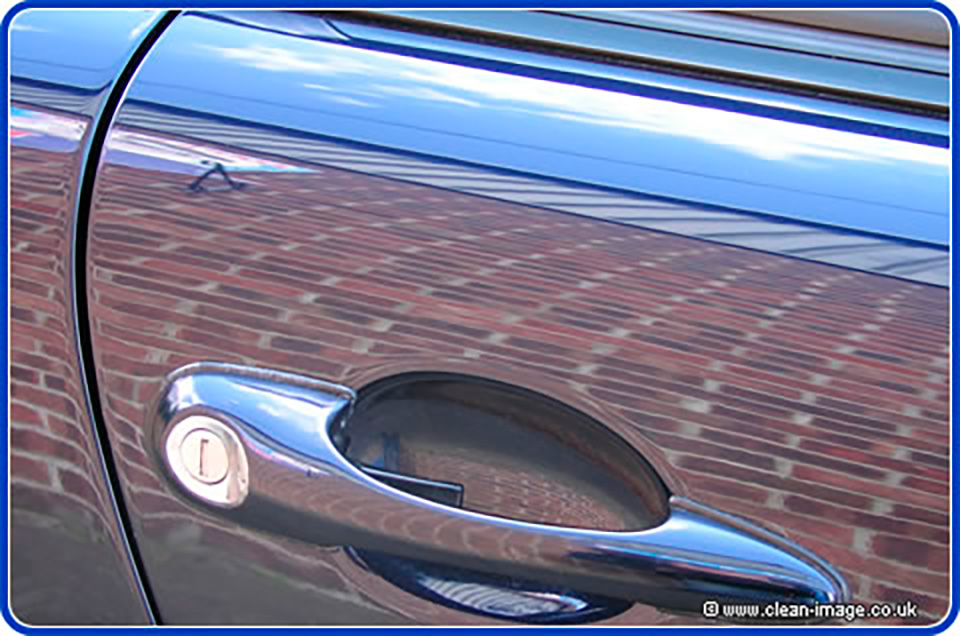
When finished, the car was so reflective, the camera had problems focusing on it.
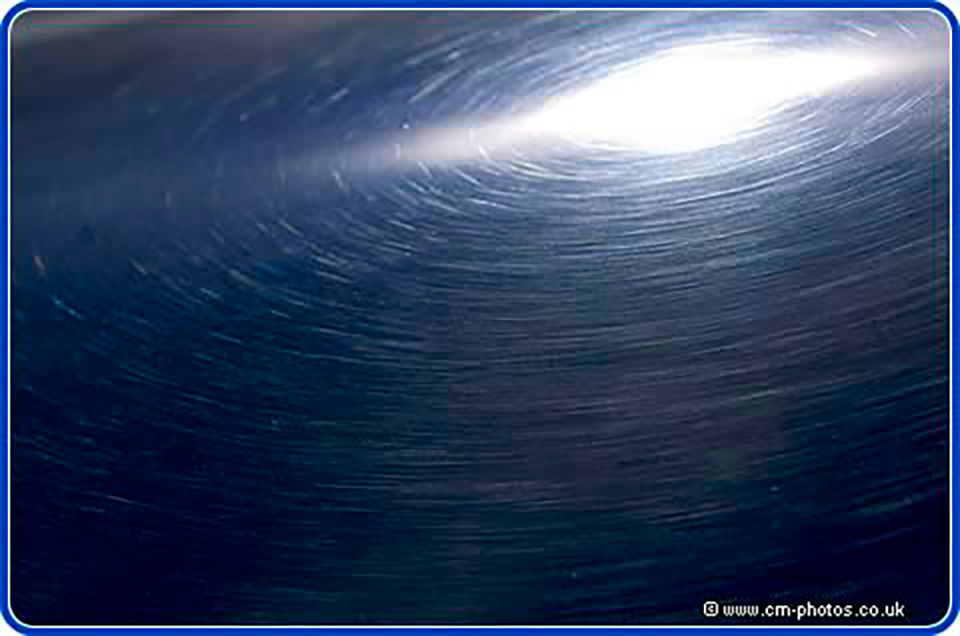
Top of Front Wing
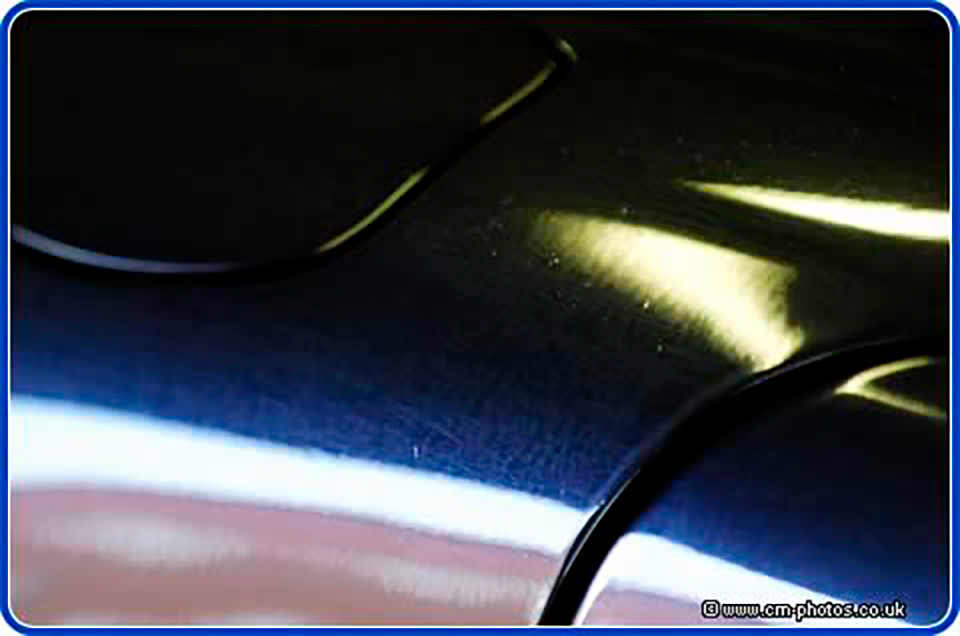
This picture demonstrates the extent of the scratches. The aim is to remove them all so that there is absolutely nothing to catch the light and create these spider webs.

Mission accomplished. Like a mirror.
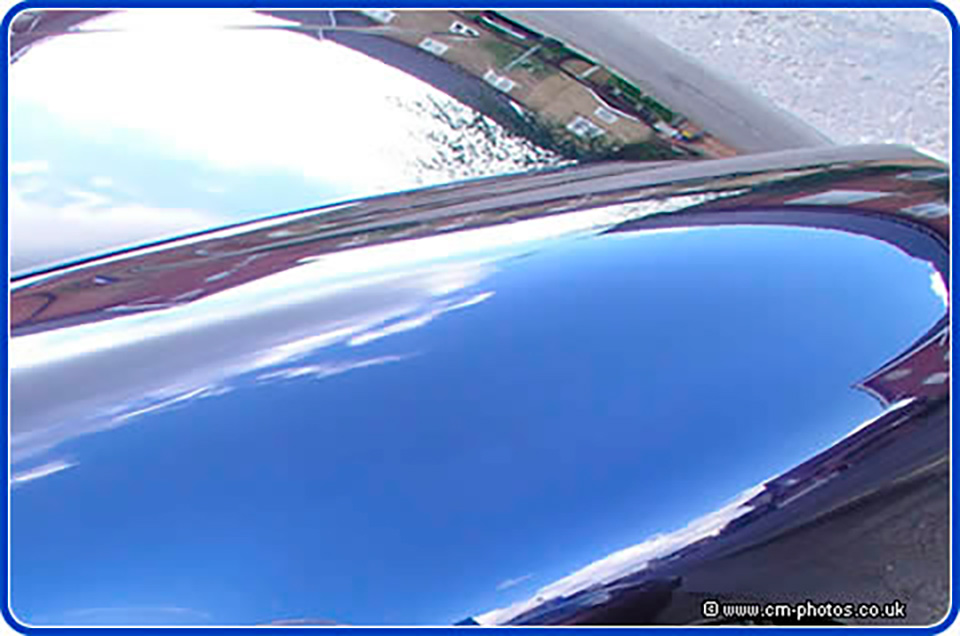
The photos don't actually do it justice. It is no idle boast when we say that we can make your car shinier than when it left the factory.
They spray a shiny coat of lacquer on it, but under a microscope this surface is rough paint splatter. Polishing it gets it even more shiny.
Then with a good quality coating, such as wax, it really brings out the shine.
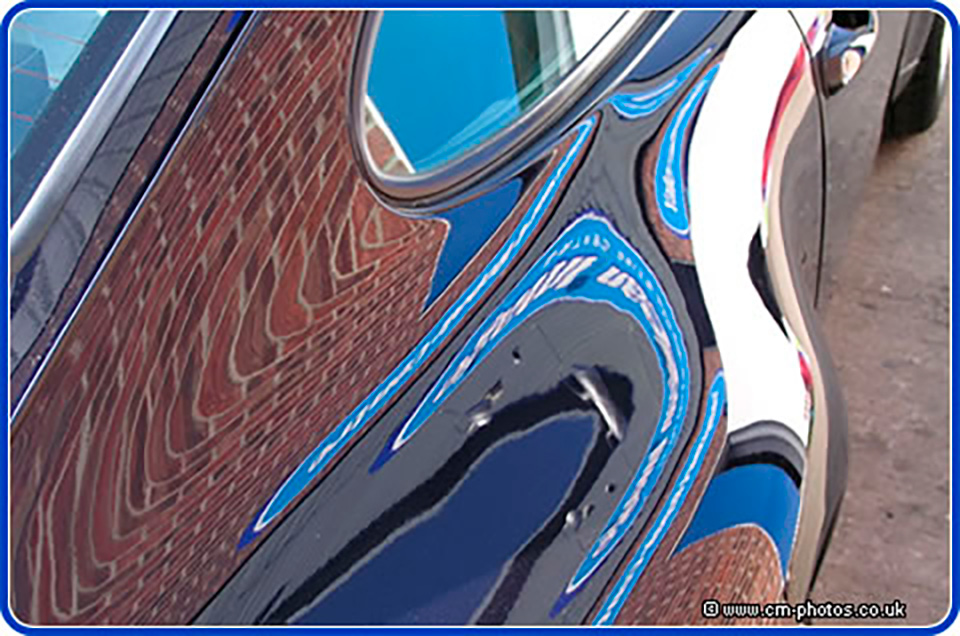
Finished with a Sealant
...and a Wax!
The car was treated with Supagard Paint Sealant, which will help protect the car from further damage to the paintwork. Although sealants don't have the depth of shine of Carnauba waxes, they are very strong and offer exceptional chemical resistance... for this reason, it is possible to layer a Carnauba wax over the top of them, which is what we did in this instance.
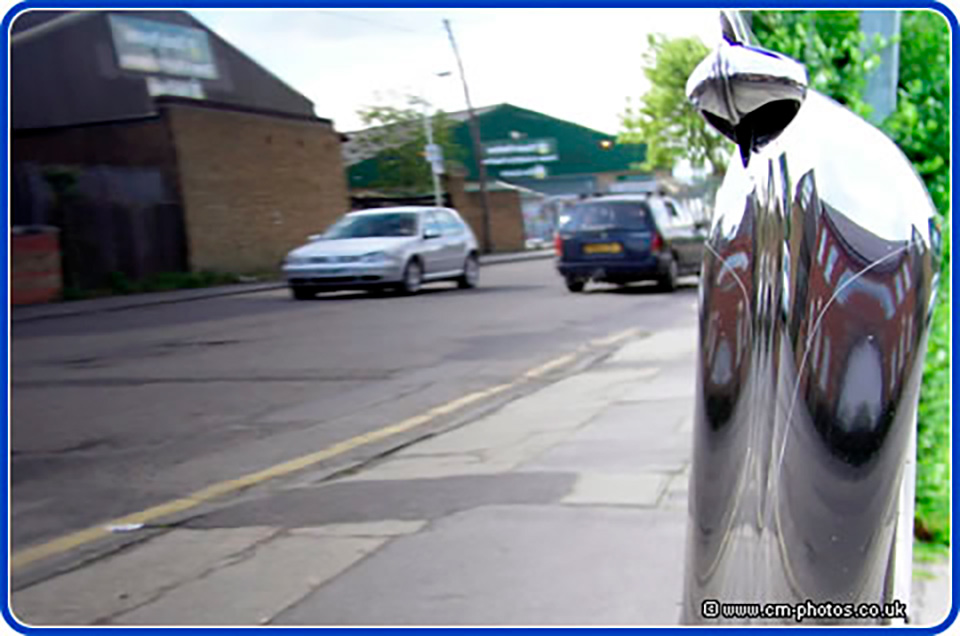
We used a trade product with a high carnauba content, which comes in liquid form (not paste) and is a similar product to many that can be found in any motor accessory shop for under £20. We applied it both by random orbital polisher and by hand - as it's not possible to get a random orbital into small areas. The wax was then removed by hand using a soft microfibre towel.
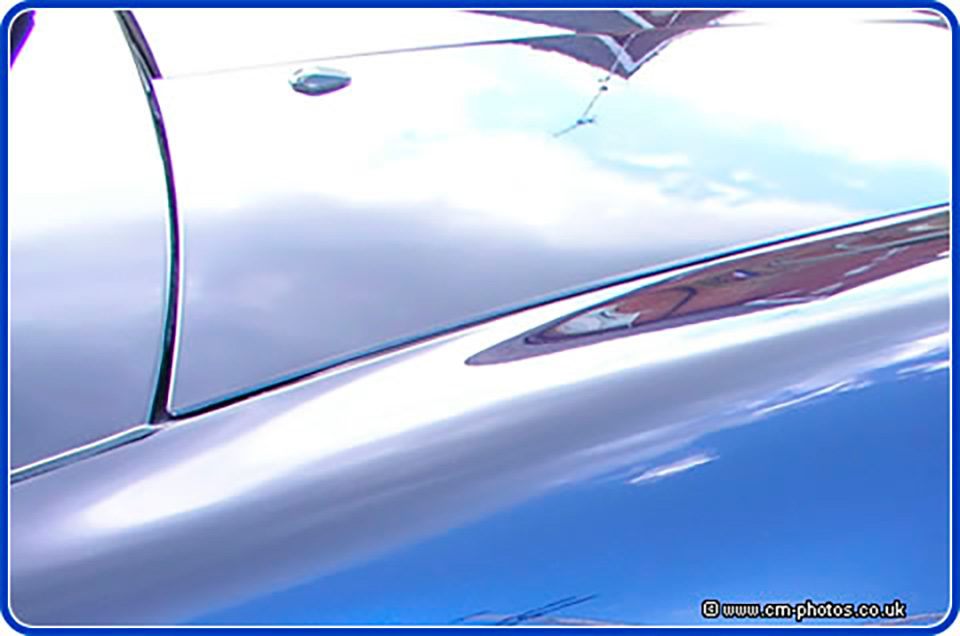
Having your car's paintwork buffed and polished leaves it shinier than when new - because your car is supplied to you having never been polished, buffing leaves your paintwork smoother and glossier than when you picked it up from the showroom.
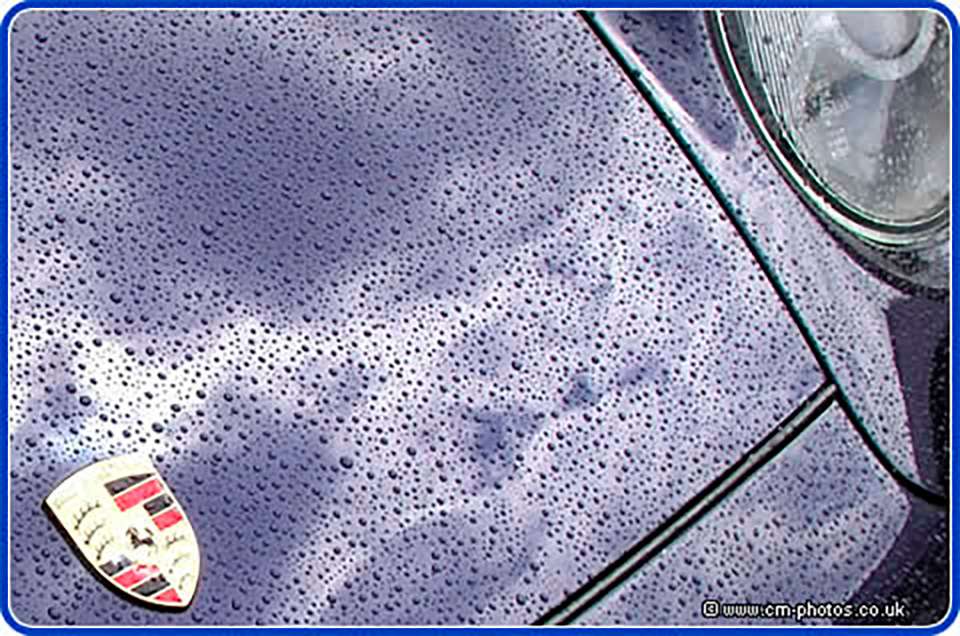
How Much Does it all Cost?
How much is it worth to you to have a car that makes you look a million dollars? Priceless! After all, That's why you bought the car in the first place, we can make the car look like the one you saw in the showroom, often we can make it look better!
"I got the car from new, this is better than new.
I cannot stress how good it was.
Gob-smacked! Wonderful!
Wheels were fantastic." ~ Galen Moore - 4/05/05
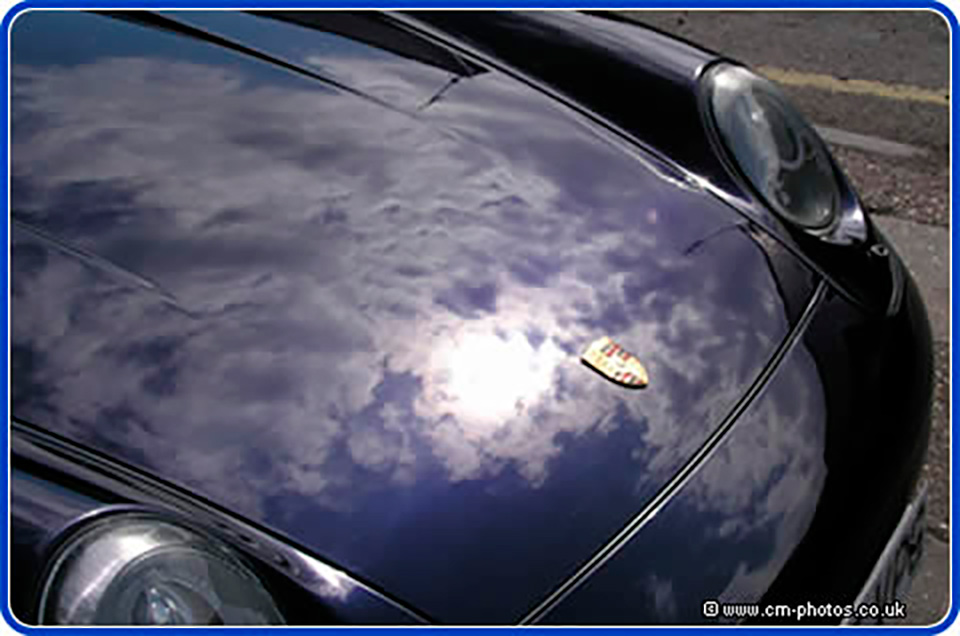
But it's when you come to sell your car that you will notice the difference.
We showed this article to several car dealers, two of whom were fooled into thinking that this car was actually a newer model than it actually is (as we had blanked out the number plate, it's an 'N' Reg). The general consensus is that on a high-value car like this, you would raise the retail value from between £2-3k.
"If a prospective buyer tells you they are going to look at a few more, they never come back! You have made the difference between a car that people turn their noses up and walk away from, and a car that people really want to buy. You just can't put a price on that!" ~ Peter Lansdell - Car Dealer -Chelmsford
Addendum
This was written a long time ago now. At the time, the manufacturers were making the switch between solvent-based paints and acrylic, which seems to be the reason the paint was so soft on some cars and wheels tended to tarnish quickly. There are now etch-lacquers and much, much more durable paints.
Acrylic sealants were largely replaced my polymer sealants, and in turn by ceramic coatings... and although we might put on a couple of coats of these if they allow, it's unlikely we would put wax over the top. It's not really needed. Aside from that and a change of the company name to better reflect what we do, things are much the same here at New Again.
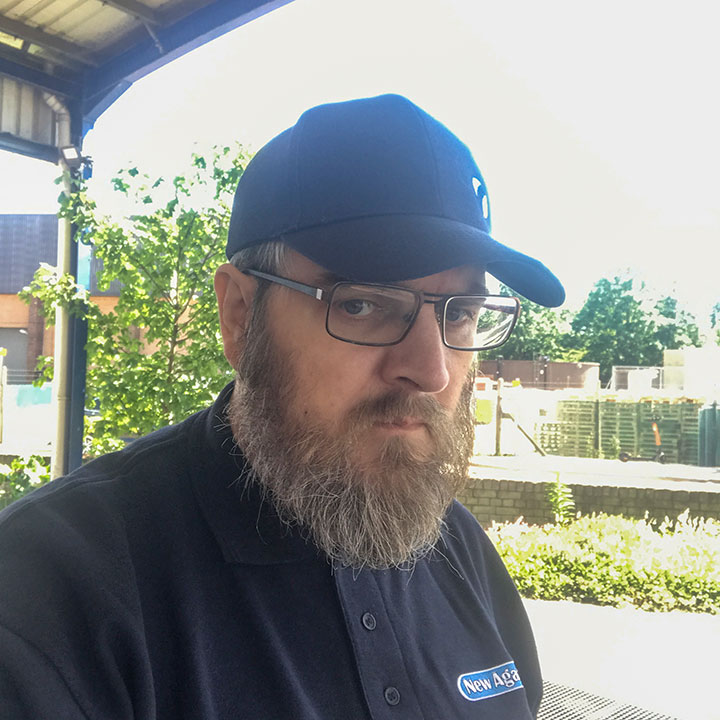
Danny Argent -- writer and training officer at New Again.
Over 24 years in the industry, 250+ articles, featured in publications such as Fleet News and Fast Car.
Related Blogs
Here are some more of our latest #modern-car-restoration blogs
New Again Wins Car Detailing Services of the Year 2026/27

Sep
14
2026
The judges picked out two things: that we treat restoration as a sensible alternative to buying new, and that we tell customers what is needed and why. Here is what they wrote, and what it actually means in the workshop.
Read ArticleModern Car Restoration: The Smart Alternative to Buying New
Jan
22
2025
Restoring your current car beats buying new in most cases -- here's what paint correction and detailing can realistically achieve.
Read ArticleThe Smart Way to Get a New Car Without the New Car Price
Aug
27
2024
Want that new-car feeling without the new-car price tag? Here's how a full detail can transform your current car for a fraction of the cost.
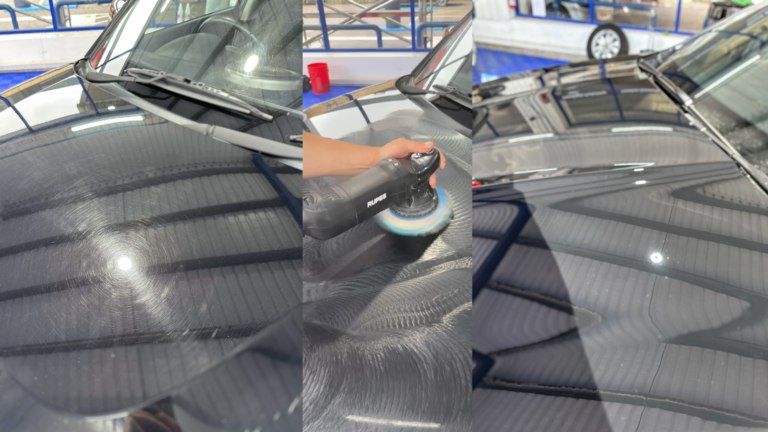
Read ArticleHow to make a car shine like glass
Feb
10
2024
Plenty of products promise a mirror finish, but polishing is the real secret. Here's what makes car paint genuinely shine like glass.
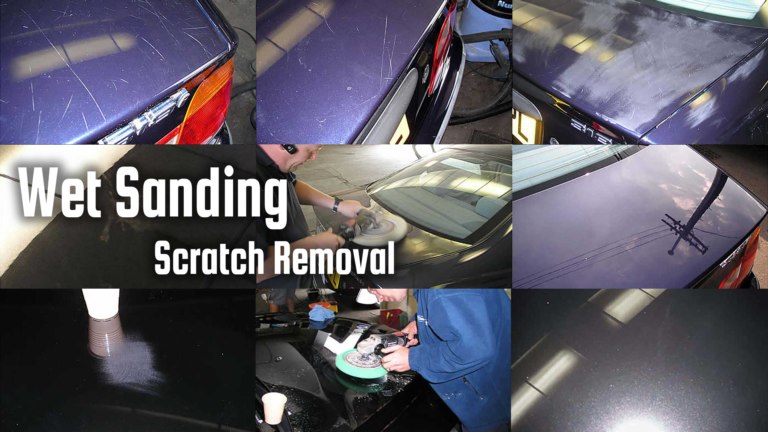
Read ArticleWet Sanding a Car | When and Why
Feb
27
2023
Wet Sanding is the method we use to remove light scratches and blemishes, evening out the paint so it can then be machine polished.
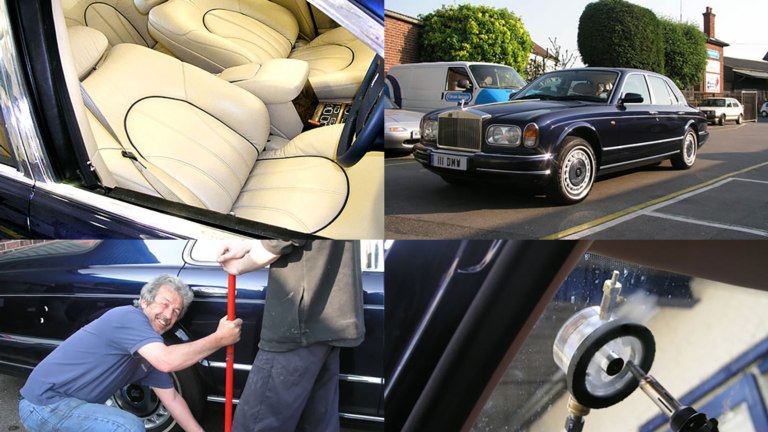
Read ArticleRolls-Royce Modern Car Restoration 2008
Feb
21
2023
This 2008 Rolls-Royce made the journey from Majorca to our Chelmsford workshop for paintwork correction and modern car restoration work.
Read ArticleWhat does it cost to have a car polished? It depends which job you need
Sep
05
2022
Polishing prices range from a light machine buff to full paint correction. The job you need depends on paint condition, not just what you want to spend.
Read ArticleAston-Martin Vantage Modern Car Restoration
Jul
19
2020
An Aston Martin Vantage pulled from five years of storage -- see the full modern car restoration process from our Chelmsford workshop.
Read ArticleHow is sports car restoration beneficial?
Aug
02
2019
Sports car restoration protects originality, recovers lost value, and keeps a classic driving as it should. Work carried out at our Chelmsford workshop.
Read ArticleA word of caution about wear
Jul
15
2019
Minor wear and damage can be repaired -- but before you book it in, it's worth understanding what that wear is telling you about the car.
Read Article
Share this blog