Weather Stripping

Quick answer: Weather stripping refers to the rubber and foam strips fitted around doors, windows, boots and roofs to seal out water, wind and noise - if these strips shrink, harden or come loose, the car can leak and whistle even though the metalwork looks fine.
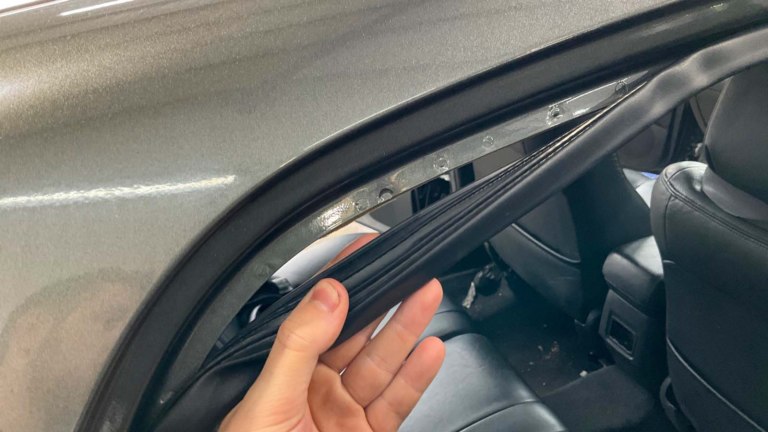
Weather stripping, also known as weather seals or weatherstrips, or simply as 'the rubbers', are a crucial component in automotive design that serves to seal the gaps between various parts of a vehicle to prevent the intrusion of air, water, dust, and noise. It plays a significant role in enhancing the comfort, safety, and functionality of the vehicle's interior by providing a barrier between the interior and the external environment.
We tend to call these 'the rubbers' collectively, along with the many gaskets, bungs and grommets found on the car, although 'weather striping' usually refers to seals on moving parts as listed below, although not always. Sometimes, visible gaskets around lights are referred to as weather striping.
Weather stripping can be found in various areas of a car, including:
- Doors: Weather stripping is commonly installed around the door frames to create a tight seal when the doors are closed. This helps keep rainwater, wind, and external noise from entering the cabin.
- Windows: Some vehicles have weather stripping around the windows to prevent water and wind from entering when the windows are rolled up. It also provides a degree of sound insulation.
- Boot and Tailgate: Weather stripping is present around the boot or tailgate openings to prevent water from seeping into the cargo area.
- Sunroof: Vehicles equipped with sunroofs have weather stripping around the sunroof panel to prevent debris and dirt entering when it's closed. The weather striping around the sunroof is rarely waterproof, as there is a drain underneath called a cassette which collects water and drains it away.
- Windscreen: The windscreen on older cars also has weather stripping around its edges to prevent water and air from entering the cabin. On newer cars, the windscreen is bonded to the bodywork, but there may well be weather striping to help channel water away from panel seams or prevent water pooling on top of the screen.
- Boot Lids: Some vehicles have weather stripping around the edges of the boot lids to create a seal when they're closed.
- Convertible roofs: Cabriolet cars often lack the door frames found on standard models and rely on weather striping far more. Additionally, these rubbers will usually include channels and drainage systems which need to be kept clear of debris.
Weather stripping is typically made from materials like synthetic rubber, silicone, foam, or other flexible materials. Over time, it can wear out, crack, or become less effective, leading to leaks and increased noise. Regular maintenance and/or replacement of weather stripping is important to keep your vehicle's interior protected from the elements.
Rubber sets can be relatively expensive as a replacement part, especially on prestige cars, however, rubbers can often be revived using a rubber reviver, which makes them plump and soft and helps them regain their original shape.
What it means
Weather striping is the collective term for the sealing strips that run around door frames, window apertures, tailgates, boots and roof edges. These strips are usually made from shaped rubber or foam sections that compress when the door or glass closes, forming a barrier against rain, draughts and road noise. On convertibles and cabriolets you will also find weather striping along roof frames, header rails and around the tops of side glass where the roof meets the body.
Why it matters
Weather striping is the first line of defence against water tracking into doors, pillars, sills, boots and the cabin. Once the strips lose their shape or shrink, gaps open and leaks become far more likely. Those same gaps are what you hear at speed, as whistling, buffeting or general wind roar, which is why a car with tired seals feels older than it actually is.
Where the strips fail, water reaches door cards, boot trims, speakers and wiring looms, so the result is staining, mould and electrical faults rather than a simple damp patch. That makes them worth a look on any used car. Cracked, shrunken or painted-over weather stripping around doors and roofs is a reliable sign of age, neglect, or a past body repair done without much care.
What the notes say about weather strips
Leak reports, trim estimates and inspection notes all name it. Typical comments include weather stripping shrunken at top of door, weatherstrip not contacting glass, replace door weather strip or weather striping contaminated with algae, clean and condition. On convertibles, notes may refer to roof frame weather strips, header rail weatherstrip or weather striping between roof and side glass.
Context
Weather striping works together with door membranes, rear vents, drain channels and glass alignment as part of the car's water management and refinement system. Water is often expected to get past the outermost edges and into controlled cavities, but sound weather strips help ensure it does not reach the carpets and interior. As the car ages, strips can flatten where doors have compressed them, harden from UV and ozone, or shrink away from corners and joints. Cleaning, rubber reviver and occasional adjustment of latches and glass can help, but once strips are badly perished or out of shape, replacement is the proper fix. On vehicles that have had body or windscreen work, incorrect or poorly refitted weather striping is a common source of new leaks and noises.
Common mistakes
- Blaming only the roof or glass for leaks and wind noise while ignoring obviously shrunken or flattened weather striping that no longer seals properly.
- Painting over or heavily dressing weather strips to make them look better for sale, while doing nothing about the underlying gaps or perishing.
- Trying to bulk up tired strips with layers of sticky tape or generic foam instead of fitting the correct replacement weatherstrip.
- Assuming that because the outer edge looks tidy, water cannot be getting past the weather striping into hidden cavities and then on into carpets and trims.