This is the Volvo C70 from the previous page which had blocked drainage on the sunroof, causing rain water to pour down onto the floor on both passenger and driver side.
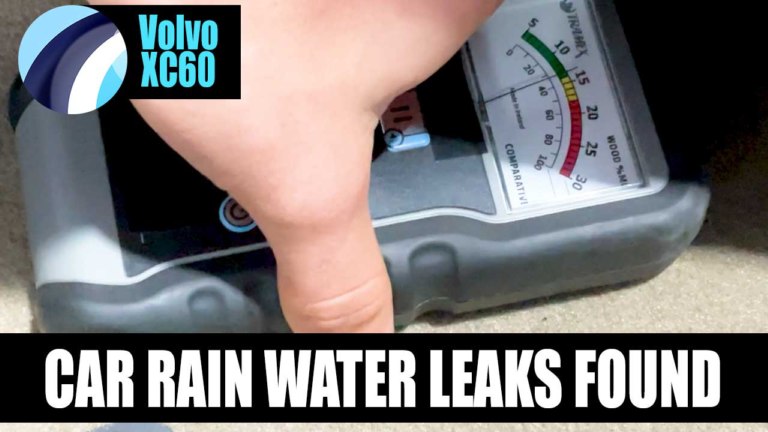
This is just a quick video to show you how much water was actually underneath the carpet of the Volvo when they were lifted up as you can see there is a lot of water there and calls could cause further problems with mould or electrical faults.
We will use an extractor (an industrial powered wet-vac) to suck the water out of the floor pans, and out of the sponge underlay, but this can only do so much. The Vacuum will not suck it out of that deep sponge, so it will need to drip-dry. As the water slowly drains out, we will periodically extract the water from the floor pans and all the while use heater and air-blowers to dehumidify the air in the car. It usually takes between one and three days to dry a car, depending on the thickness of the underlay.
Hopefully, you can now see why water leaks in your car need to be taken fairly seriously.
Question: "What is the 'anti-microbial' part of the service for? What has that to do with finding a leak?"
Answer: Rain water is full of contaminants, including mould spores. They will certainly find something in your car to grow on. It's true they are in the air all the time, but because your car now has a leak, it provides the perfect sheltered, damp environment for mould to grow. It's most likely that you will see it first on your seat belts because you touch those a lot and leave dirt behind. If you have kids, there is a high chance there are lots of areas in the back where traces of food provide places for the mould to grow.
And if mould and fungus can grow, bacteria can too. This can all turn into a health hazard, and many customers who bring cars to us with leaks complain that they have had a cold they can't shift or had chest infections. So we start off by fogging your car with an anti-microbial, antibacterial disinfectant which makes the car safe.
We do it when we first get the car because then it's safe for us to work on, but also, if it is full of water, the disinfectant gets into the water and gets everywhere the water is.




Share this video