Interior smart repair guide: cigarette burns and carpet holes done in-house; bolster wear and fabric tears need a trimmer; dashboard and switch areas are no-go zones; worn leather may suit recolouring. Lease return: get the whole car checked first.
Gary covers the range of interior damage that comes into the workshop and which route makes sense for each type: in-house repair, mobile technician, trimmer, or something that simply cannot be fixed the way people hope.
Areas you cannot smart repair
The dashboard is a no-go for anything beyond a very light cosmetic touch. Airbags deploy through the dashboard; any filler or repair material in that area becomes shrapnel. A light scratch can be disguised with a colour pen; a gouge cannot be filled. Similarly, the areas around switches need photographs submitted to a specialist before anyone touches them: the geometry matters.
What can be done quickly
Cigarette burns in carpet or headlining, carpet holes, scuffs on plastics under the pedals: these are straightforward. A smart repair technician can do them in a couple of hours, either in the workshop or at your driveway. These are the jobs that make sense to just get sorted.
Cigarette burns in a seat are a different matter. Gary's view: you can stitch them closed with needle and thread, which leaves a small knotted area. Fine on an older car you are keeping. On a lease return, get professional advice first.
Fabric tears and bolster wear
New Again does not do in-situ smart repairs on fabric tears. Gary is direct about why: it is a cover-up. The repair holds for a while, then comes apart; unless a three-year guarantee is possible, the workshop will not do it. The right route is a trimmer: they can unstitch the leather or fabric around the damage, lose it in the fold and restitch. A permanent repair, done properly.
Worn bolsters follow the same logic: trimmer territory, fabric or leather. If the wear is more colour loss than structural damage, it may suit a recolouring treatment: see our leather recolouring page for what that covers.
Lease return
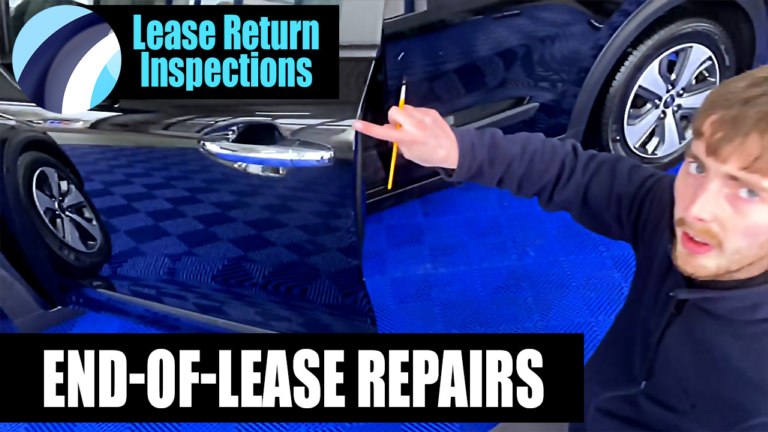
The same advice applies here as for dents and wheels: do not just fix the thing you can see. Bring the car in for an inspection and we will go over the whole car. Interior faults are easy to miss when you are focused on one obvious thing; the charges at handback often come from something the customer had not noticed.
See our end of lease car inspections page for the full pre-return check.





Share this video