

Aug
23
2019
Wet carpets and damp footwells point to a water ingress problem -- not a ventilation one. Turning the heating on won't dry it out. Here's why.
There is a moment every water leak customer describes the same way. You open the car door, put your foot on the carpet, and the carpet gives. Not in the normal way -- in the way that suggests something aquatic might be living under there. Maybe a frog. Maybe several frogs. Maybe you have to step over ducks to reach the pedals.
Most people do the same three things next: check outside for standing water, turn the blowers on full, and hope for the best.
None of those things will fix it. The reason is under the carpet.
What is actually going on under there
Car carpets sit on a thick foam underlay designed for sound and thermal insulation. That foam is deliberately open-celled -- absorbent by design. Once it is saturated, it holds water in the same way a sponge does. The surface of the carpet can feel dry within a day or two. The foam underneath can stay wet for months.
Cabin heating only reaches the top surface. For the moisture underneath to dry, it has to migrate up through the carpet, evaporate, and leave the car through ventilation. On a parked car with windows shut most of the time, that cycle barely happens. The foam stays wet, and in that wet foam, mould starts to grow -- usually before you can see or smell it.
This is the gap between how a leak feels and what it is actually doing. The carpet surface feels fine. Underneath it, the damage is accumulating.
The instincts that make it worse
The response most people try first is to put the heater and blowers on full and drive around with windows cracked. On a small town car with very thin carpet and a hot summer, this can occasionally work. On most cars it does not -- and it costs time the car does not have, because mould, corrosion and electrical problems all develop faster than the foam dries.
The second instinct is to mop the surface with towels or a small wet-dry vac. Again, this addresses the top layer only. The foam underneath will not be touched.
The third instinct -- and the one that causes the most trouble downstream -- is to find where the water appears to be coming in and apply silicone sealant to it. Silicone covers one exit point while the water finds another. It also makes the leak harder to trace for whoever looks at it next, because the original evidence has been buried.
Where the water is coming from
A wet carpet is always a symptom of something else. The list of causes is long: perished door membranes, blocked sunroof drainage pipes, a scuttle trough that has silted up over the bonnet, ageing seal adhesives around windows or the windscreen. On older cars, two or three of these can happen simultaneously -- all the rubber parts were fitted at the same time and age at the same rate.
The entry point is rarely obvious. Water travels to the lowest point, so where it appears in the cabin is often not where it came in. A leak above the door can pool at the base of the A-pillar and soak the front footwell. Water entering through the scuttle can run along structural channels and surface under the rear seat. Finding the source requires a methodical diagnosis -- water testing, UV dye, pressure checks -- not a visual scan of where the carpet is wet.
For a full account of the most common entry points, see what are the most common places water gets into a car?
What happens if it is left
The consequences of leaving a wet carpet untreated are not just a bad smell. Mould spreads from the foam into the seat bases and boot trim. Corrosion begins in the floor pan and sill box sections -- invisibly, because the carpet is covering it. Wiring looms routed along the floor and sills start to develop intermittent faults as connectors corrode and dry out and corrode again. Warning lights appear and disappear with no obvious cause.
Every winter that passes with a live leak compounds all three. The repair stays the same repair; the bill does not.
For the detail on each of these secondary consequences and the timelines involved, see what damage does a car water leak cause if left untreated?
What actually fixes it
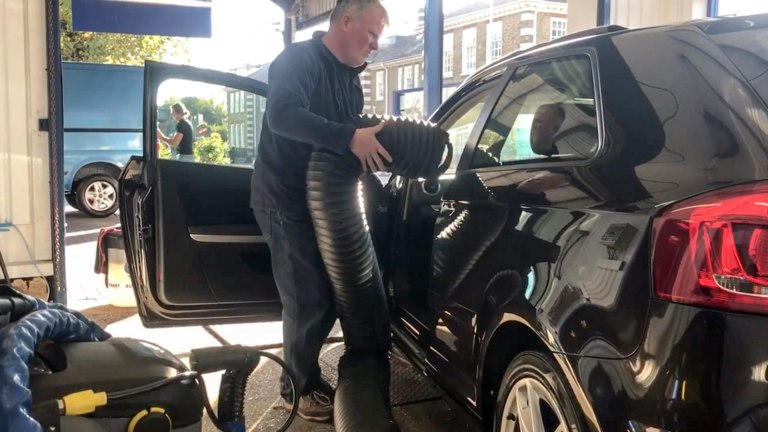
The only reliable path is to find and fix the entry point first, then lift the carpet, remove or treat the saturated foam and dry the floor structure directly. In the workshop we use hot air extraction equipment -- not cabin blowers -- and the carpets stay out until a moisture meter confirms the underlay is clear. That process takes time, but it is the only one that actually works.
If you want to understand whether your carpets could dry without lifting them -- and when that is and is not a reasonable gamble -- see will my wet carpets dry on their own if I put the heating on?

Danny Argent -- writer and training officer at New Again.
Over 24 years in the industry, 250+ articles, featured in publications such as Fleet News and Fast Car.
Related Blogs
Here are some more of our latest #car-water-leak blogs
Your Car Has Been Quietly Cooking All Summer. You Won't Know What It Cost You Until It Rains.
Aug
17
2026
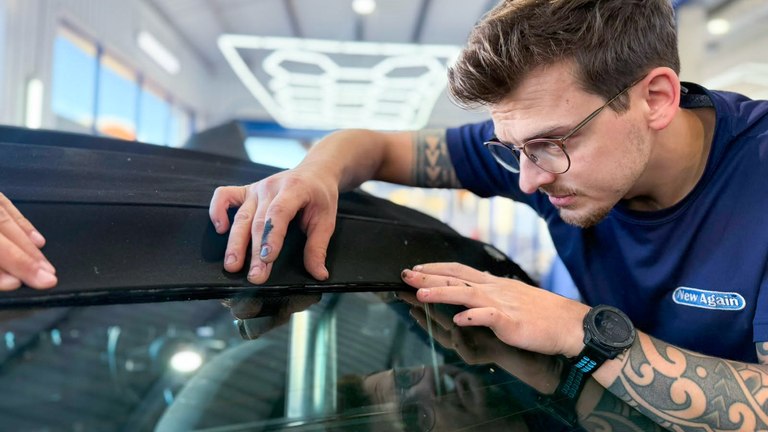
2026's heatwave has been unsticking convertible rear windows from their hoods. We normally get asked to rebond a couple a year, but this summer we've done a couple of dozen. Here's what else the heat may have loosened, and what to check before the rain ...
Read ArticleCar Water Leak: Why the Source Is Never Where the Damage Appears
Jul
03
2026
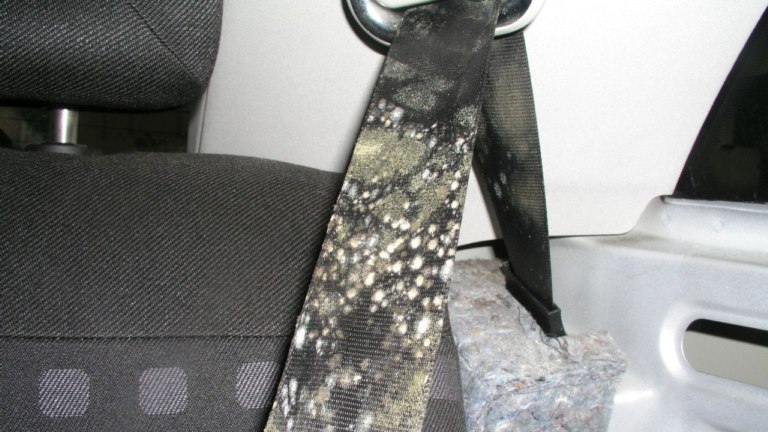
Water travels before it pools, so the source is rarely where the damage appears. Here's why leak diagnosis takes time to get right.
Read ArticleWhy your car windows are steamed up in the morning & how to fix it
Nov
21
2025
Steamed-up windows every morning usually means damp inside the cabin. The fix is simpler than you think -- here's what causes it and how to stop it.
Read ArticleBusting the Myths: Why White Vinegar, and Baking Soda Don’t Really Fix Car Odours

Jun
11
2025
White vinegar and baking soda mask car odours temporarily -- they don't remove them. Here's what actually works, from 38 years of workshop experience.
Read ArticleRX 400h Electrical Gremlins? It Might Just Be a Hidden Water Leak
Apr
29
2025
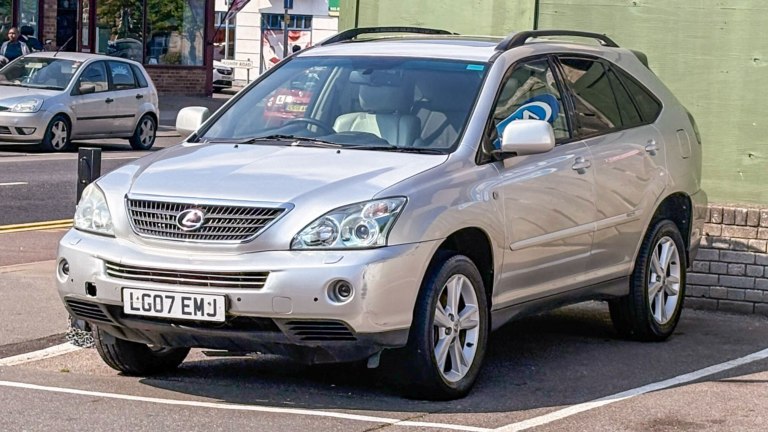
Electrical gremlins on an RX 400h often trace back to a water leak, not a wiring fault. Here's what we look for and where water gets in.
Read ArticleMy replacement windscreen is leaking -- what should you do next?
Mar
21
2025
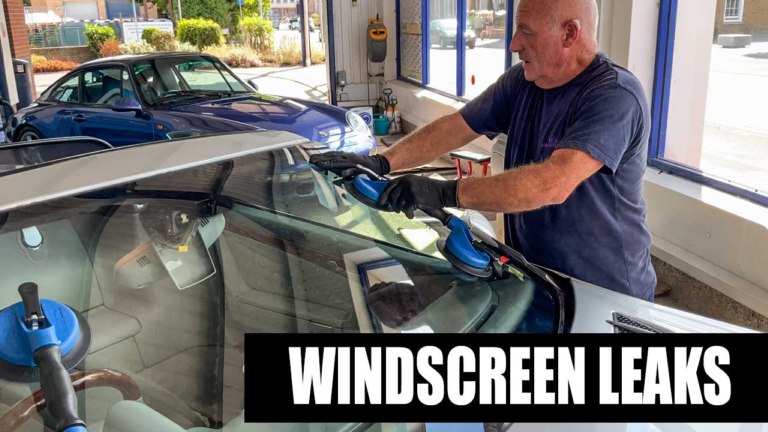
A leaking windscreen after replacement usually means a poor seal. Here is what to check, and when to push the fitter to redo the job.
Read Articlehow to get rid of mildew smell in car
Dec
10
2022
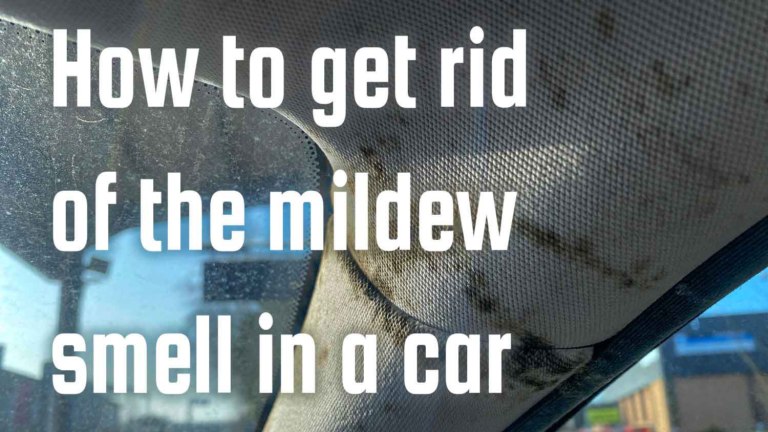
Mildew smell in a car means moisture is trapped somewhere. Here's how to find the source, kill the spores, and stop it coming back.
Read ArticleHow to Manage a Leaky Car | Complete Guide
Nov
28
2022
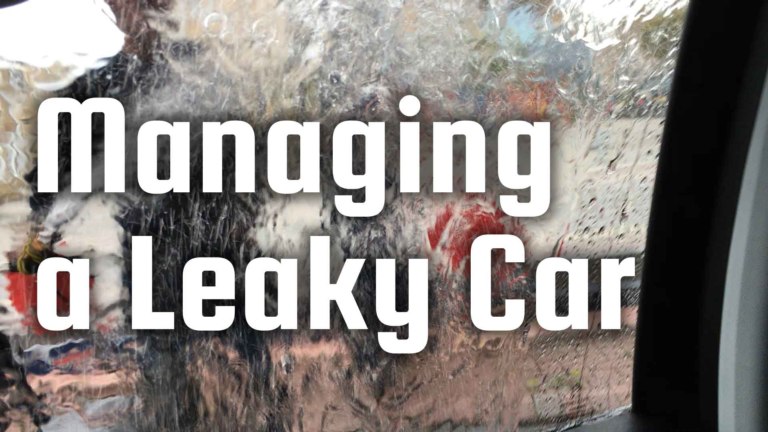
Waiting on a repair? Here's how to manage a car water leak in the meantime -- stop damp spreading and protect the interior until you get it fixed.
Read ArticleHow is water leaking into my car?
Nov
01
2021
Cars have hundreds of holes -- seals, drains, and joins all fail over time. Here are the 10 leak sources we find most often in Chelmsford.
Read ArticleWhat to do if you find water in your car
Oct
19
2020
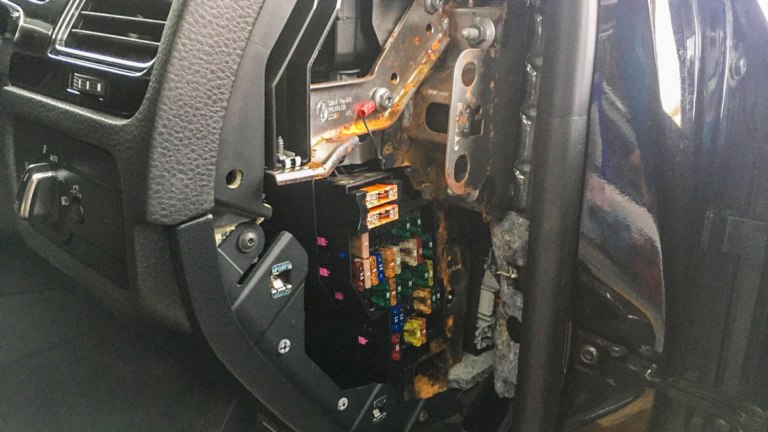
Found water in your car? We cover the common entry points -- sunroof drains, door membranes, rear lights -- and what to check first.
Read Article
Share this blog