
Oct
19
2020
Found water in your car? We cover the common entry points -- sunroof drains, door membranes, rear lights -- and what to check first.
Know what you are looking for
The signs are usually obvious once you know them: mould on the seats or headlining, windows that steam up even when the car has been sitting overnight, a smell of damp or mildew that comes and goes with the weather. Less obvious ones include intermittent warning lights (airbag, central locking, ABS), electrical gremlins that come and go, and the sound of water sloshing somewhere under the trim when you corner. If you can hear it moving, there is a significant amount in there.
Before anything else: find the source and fix it. Drying the car without repairing the leak is a temporary measure at best.
Start with the boot
The boot floor is one of the lowest points in the car and the first place to check. Feel the carpet -- if it is wet or cold-damp, lift it. Mop up what you can with old bath towels. If the water is confined to the boot and the passenger carpets are dry, there is a reasonable chance you can dry it out, repair the leak, and be done with it. Check again after a few rainy days to confirm.
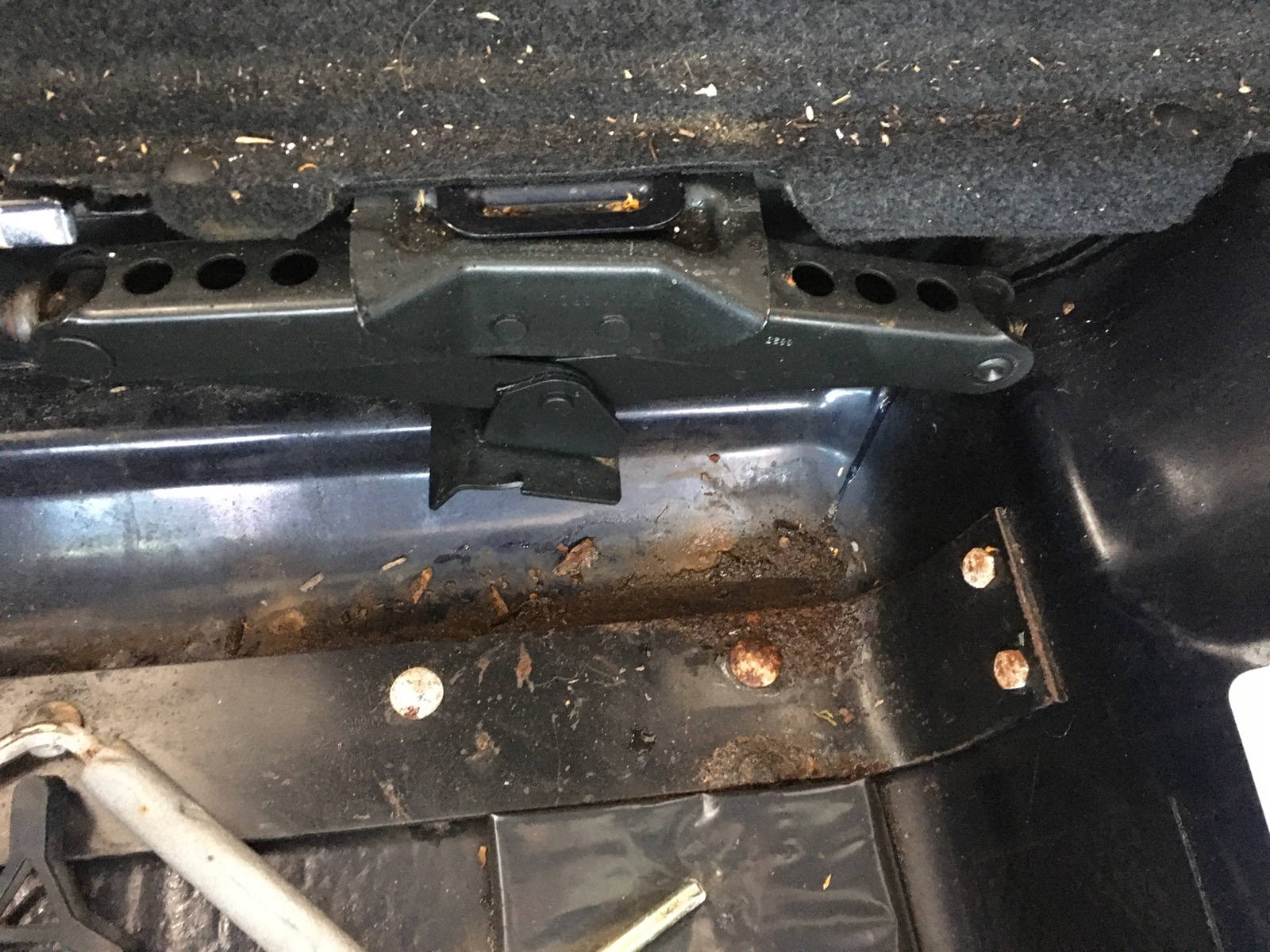
One thing to be aware of: some cars have the battery in the boot. We have seen a submerged battery burn out an entire wiring loom. If there is standing water near the battery, disconnect it before you do anything else.
Wet carpets: how to deal with them
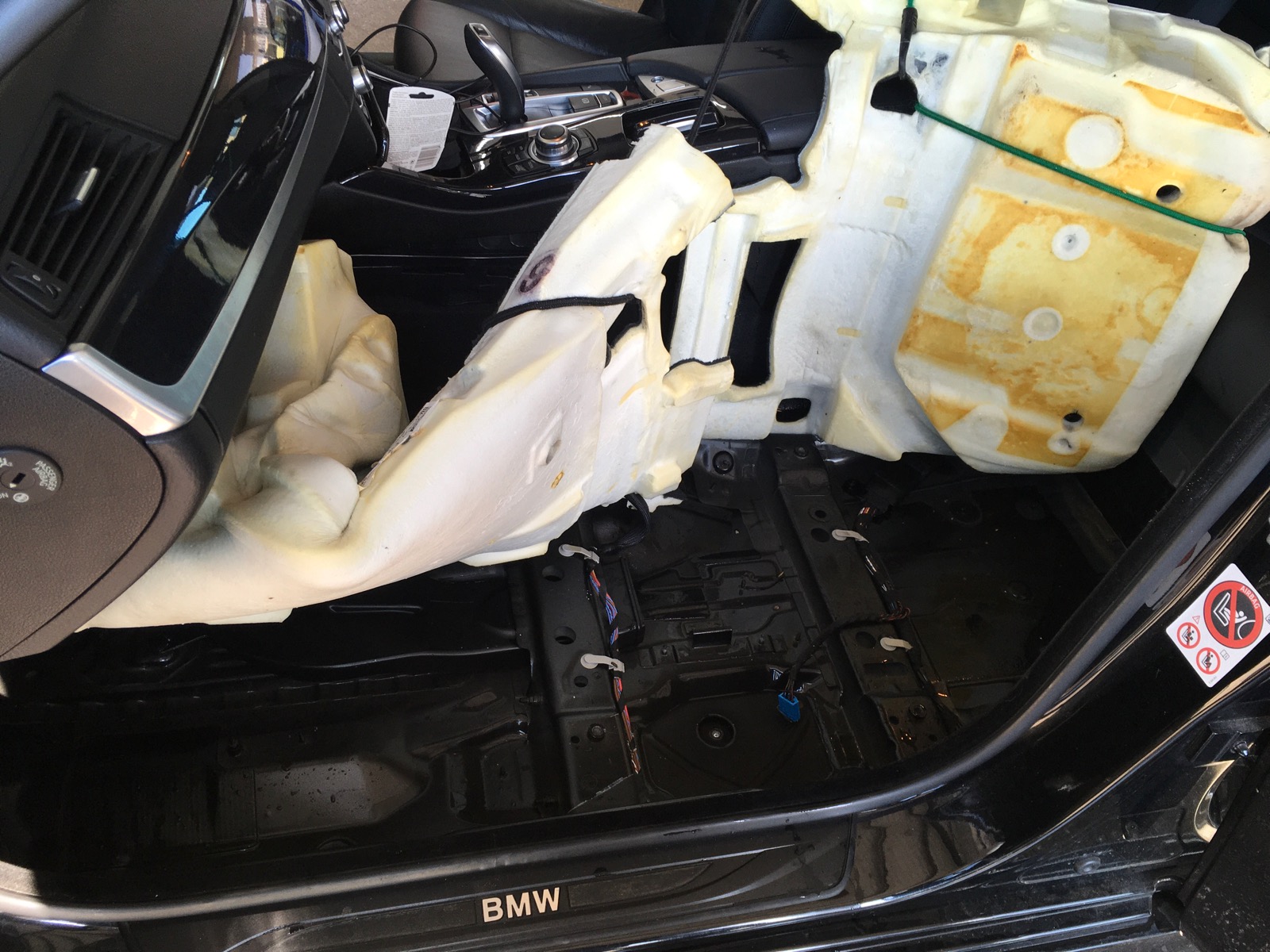
If the passenger footwells are wet, the seats will need to come out -- in most cars both fronts, though in smaller cars sometimes just the one on the affected side. Lift the carpet, then use a wet-vac to suck the water out. Do it several times over a couple of hours; the foam underlay holds a surprising amount. If only one side is wet, you can sometimes just lift the carpet on that side and hook a bungee strap to the grab handle to hold it up while you work.
Then the car needs to dry properly. A plug-in fan heater -- firmly secured, not sitting in a puddle -- aimed at the wet area with the windows open about an inch. On thick foam underlay this typically takes two to three days; thinner foam in a smaller car, sometimes just one. If both sides are wet, work on each in turn without necessarily removing the centre console.
If you are not certain it is fully dry, leave it another day. Water left under the carpet causes rust, smell, and electrical problems that cost far more to fix than the original leak.
Electrics, airbags and seats
Removing and refitting a seat with the ignition off means the car often will not register the disturbance -- so you may avoid triggering the airbag warning light. Most seats have a plug underneath that needs disconnecting before the seat will come free.
If the ignition was on during any of this, the airbag module may need resetting. A garage can do it; there are also diagnostic tools available, though most of the cheap ones do not do what they claim. We use a unit made by Foxwell.
On the question of whether to drive the car: if your radio is playing up, you might judge that low-risk. If the ABS light is on, do not drive it. And do not leave it sitting for too long in a wet state either -- a week or two and mould becomes a second problem on top of the first.
Mould is a health issue, not just a smell
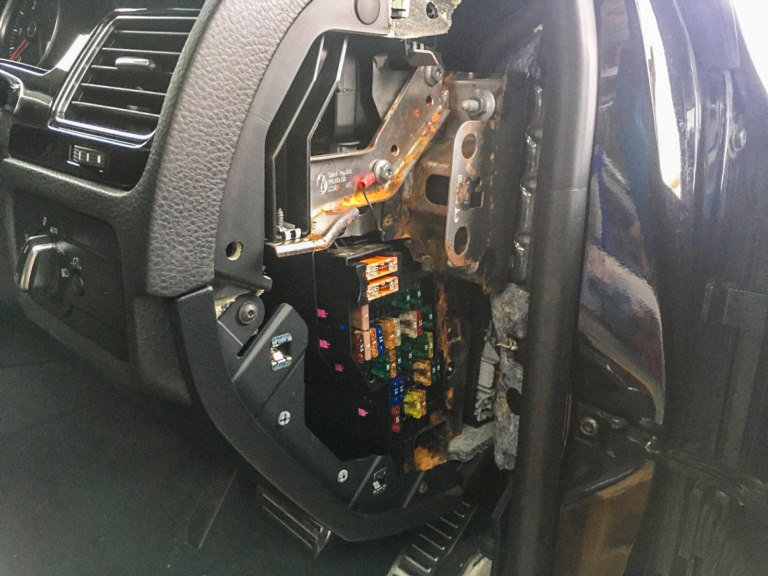
If the car smells of stale water or mildew, take it seriously. Mould spores in the enclosed space of a car can reach concentrations high enough to cause real health problems: flu-like symptoms, sinus issues, fatigue. Over the years we have spoken to quite a few people who were too ill to drive their cars in and had not made the connection. One customer was off work for two weeks, returned to her car, and was ill again for another two weeks before she worked out why.
Do not put a car cover over a car that still has water in it. A cover traps moisture, and condensation spreads everywhere. Mould thrives in darkness, warmth and dampness -- a sealed car cover provides all three. A garage or carport is better; bath towels to absorb what you can in the meantime.
Finding the source yourself
If water is only dripping from a high point and has not reached the carpets, a bucket with towels underneath will manage it until the repair is done. But do not assume the one drip is the only source. We regularly find cars where it is dripping from the sun visor but also running silently down the A-pillar into the footwell.
If you want to investigate yourself, be careful not to destroy the evidence. If you think the rear lights might be leaking, do not pull them off, clean everything up and refit them before you have confirmed it -- you may accidentally fix it and lose the trail. Instead, get someone in the boot with a torch while you run a hosepipe over the outside of the light. If it is leaking, you will see it. Then check both lights and the surrounding grommets; if one seal has gone, the others are likely the same age.
For specific makes and models, our video archive of water leaks we have found and fixed is a useful reference. We have also written up our diagnostic process in more detail if you want to understand how a professional leak trace works.
After the repair
Check the car again after it has rained. It is common to repair one leak and find water appearing at the same low point from a second source that was there all along. The lowest points are typically the front footwells, the boot floor, and occasionally the door pockets.
And if you are using a local garage: be patient with them. Water leaks can be genuinely difficult to trace, and a methodical job takes time. We have seen the results of rushed work -- a large hybrid Audi came in where someone had run bath sealant along the outside of the rear window. On a car worth between £20,000 and £50,000. Hybrids and full electrics carry high-voltage systems throughout the car; water and those systems do not mix.
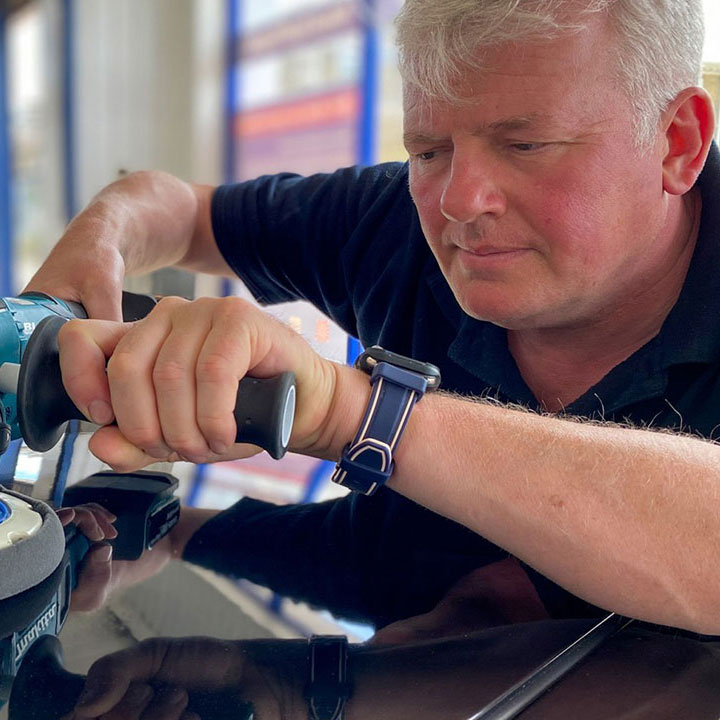
by Gary Wray

Danny Argent -- writer and training officer at New Again.
Over 24 years in the industry, 250+ articles, featured in publications such as Fleet News and Fast Car.
Related Blogs
Here are some more of our latest #car-water-leak blogs
Your Car Has Been Quietly Cooking All Summer. You Won't Know What It Cost You Until It Rains.
Aug
17
2026
2026's heatwave has been unsticking convertible rear windows from their hoods. We normally get asked to rebond a couple a year, but this summer we've done a couple of dozen. Here's what else the heat may have loosened, and what to check before the rain ...
Read ArticleCar Water Leak: Why the Source Is Never Where the Damage Appears
Jul
03
2026
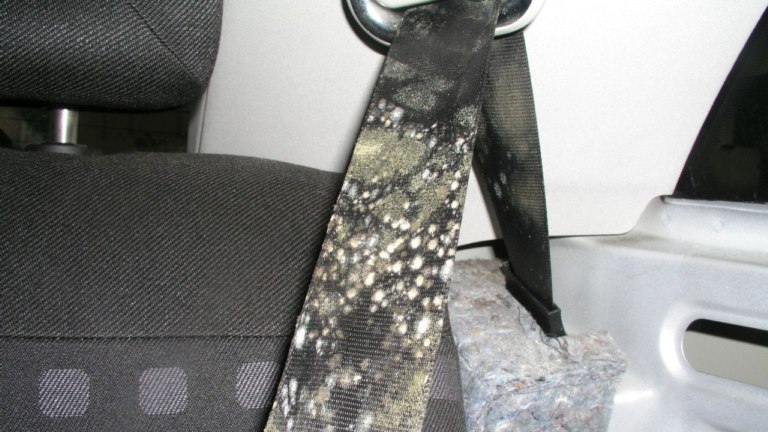
Water travels before it pools, so the source is rarely where the damage appears. Here's why leak diagnosis takes time to get right.
Read ArticleWhy your car windows are steamed up in the morning & how to fix it
Nov
21
2025
Steamed-up windows every morning usually means damp inside the cabin. The fix is simpler than you think -- here's what causes it and how to stop it.
Read ArticleBusting the Myths: Why White Vinegar, and Baking Soda Don’t Really Fix Car Odours

Jun
11
2025
White vinegar and baking soda mask car odours temporarily -- they don't remove them. Here's what actually works, from 38 years of workshop experience.
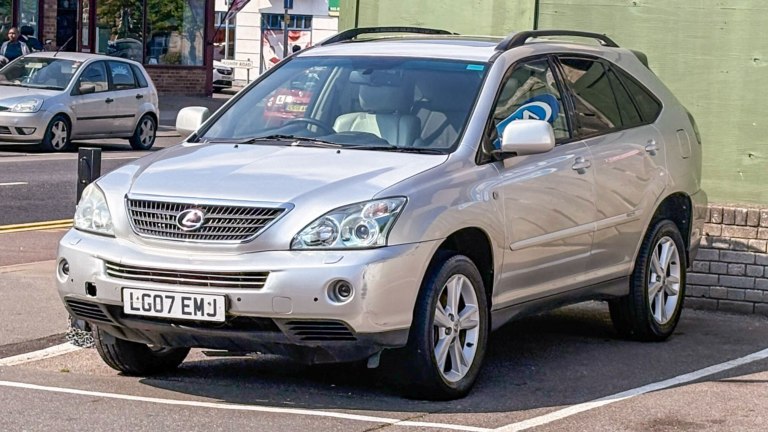
Read ArticleRX 400h Electrical Gremlins? It Might Just Be a Hidden Water Leak
Apr
29
2025
Electrical gremlins on an RX 400h often trace back to a water leak, not a wiring fault. Here's what we look for and where water gets in.
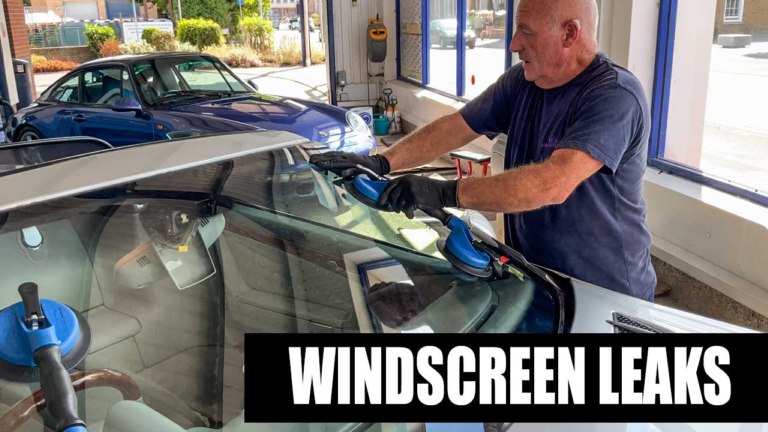
Read ArticleMy replacement windscreen is leaking -- what should you do next?
Mar
21
2025
A leaking windscreen after replacement usually means a poor seal. Here is what to check, and when to push the fitter to redo the job.
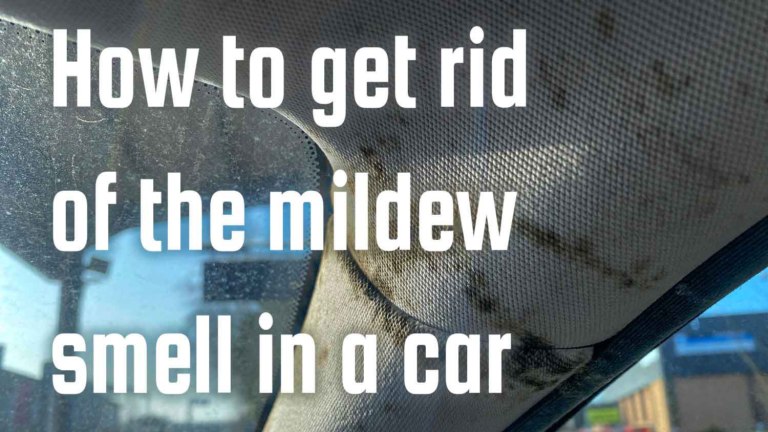
Read Articlehow to get rid of mildew smell in car
Dec
10
2022
Mildew smell in a car means moisture is trapped somewhere. Here's how to find the source, kill the spores, and stop it coming back.
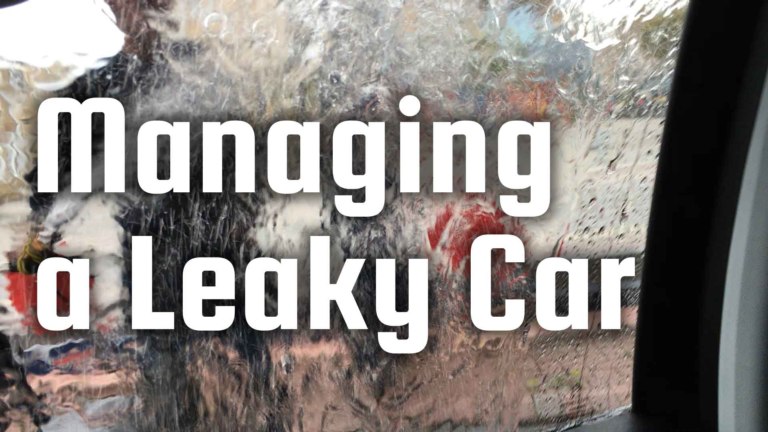
Read ArticleHow to Manage a Leaky Car | Complete Guide
Nov
28
2022
Waiting on a repair? Here's how to manage a car water leak in the meantime -- stop damp spreading and protect the interior until you get it fixed.
Read ArticleHow is water leaking into my car?
Nov
01
2021
Cars have hundreds of holes -- seals, drains, and joins all fail over time. Here are the 10 leak sources we find most often in Chelmsford.
Read ArticleWet Carpets, Damp Footwells and Why Turning the Heating On Won't Help
Aug
23
2019
Wet carpets and damp footwells point to a water ingress problem -- not a ventilation one. Turning the heating on won't dry it out. Here's why.
Read Article
Share this blog